Pope Leo Issues First Major Document on Artificial Intelligence
The first U.S.-born pope called for strict ethical limits on artificial intelligence and warned of new forms of digital slavery. American readers voiced support and skepticism.
 theweek.com
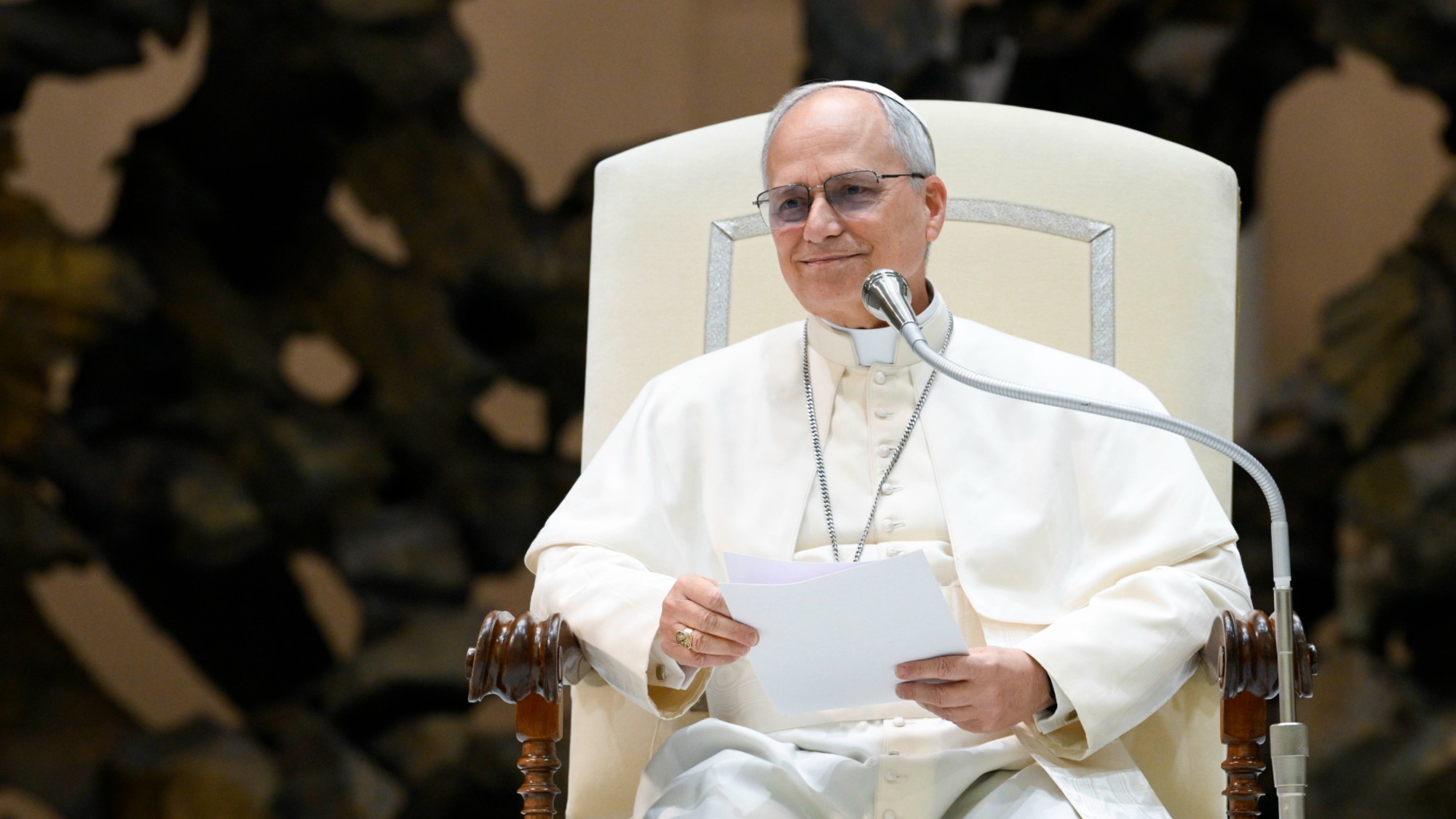
Pope Leo issued his first major papal text since assuming leadership of the Catholic Church in 2025, warning this week that artificial intelligence poses one of the greatest threats facing humanity. The document denounced the “culture of power” driving the AI age and called for the “most rigorous” ethical constraints on the technology.
He also warned of “new forms of slavery” emerging through the digital economy.
The Guardian reported that readers across the United States responded to the pope’s statements with a range of views. Linda Given, a 74-year-old former gift-store owner in Boston, Massachusetts, said the warning resonated with her experience. “I think he’s right to emphasize the dignity of humans, and to warn that things in the AI field are moving both too fast, and without any significant oversight,” she said.
Stephen Sincoskie, a 55-year-old print-shop supervisor from Howell, New Jersey, said unregulated AI threatens workers, privacy and human life. “I’m concerned the use of AI will replace workers and assist in the ushering in of a fascistic surveillance state,” he said. He also stated that he does not believe the wealthiest 1 percent intend to provide guaranteed monthly incomes to displaced workers.
Debra, a 58-year-old college professor in Massachusetts, said AI is already affecting education. “AI is robbing many students of the need to think critically, learn the ways of research and express themselves by writing,” she said. She added that she wished the church would apply the same emphasis on human dignity to its positions on gender and sexuality.
Scott Gibb, a 70-year-old retiree in California, said moral clarity on AI must come from outside the technology sector. “Someone needs to have some moral clarity around this issue and it sure isn’t Sam Altman, Mark Zuckerberg, Jeff Bezos or Elon Musk. They are soulless,” he said.
Lauren, a Baltimore, Maryland-based worker in international aid, praised the pope’s intervention as needed moral leadership. She cited AI’s consumption of natural resources, its use in warfare, and the absence of citizen input in its expansion. “It is already used in war, and there are concerns it has accelerated conflicts and led to the killing of civilians,” she said.
Sam Bakkila, a 37-year-old computer-science instructional designer in New York City, said AI development is driven by leaders who seek to avoid regulation. “I think that tech CEOs lined up behind Donald Trump knowing that this four-year period would be crucial for AI adoption,” he said.
He added that these companies aim to secure government funding for AI infrastructure and defense networks while creating monopolies.
Paul, a 67-year-old former ethics professor in Milwaukee, Wisconsin, compared AI to nuclear weapons in its capacity for mass harm. “AI has equal power to create conditions/actions to harm, even kill millions of humans,” he said. He argued that ethical rules successfully limited nuclear use after 1945 but noted no comparable ethical programming exists for AI.
Not all readers agreed the pope’s views carry special weight. Charlie Hinkle, a 60-year-old tech worker from Charlotte, North Carolina, said the pope’s remarks should have no bearing in a secular world. ” he said.
A 76-year-old firefighter in Oklahoma called the religion-versus-AI debate pointless. “I find the debate over AI versus religion, any religion, to be pointless, akin to arguing which is worse, Ebola or hantavirus, when both are equally odious,” he said.
Transparency
Reported by a single outlet. This score reflects source tier and factual specificity — corroboration is limited with one source.
Story details
Related Stories
 fortune.com
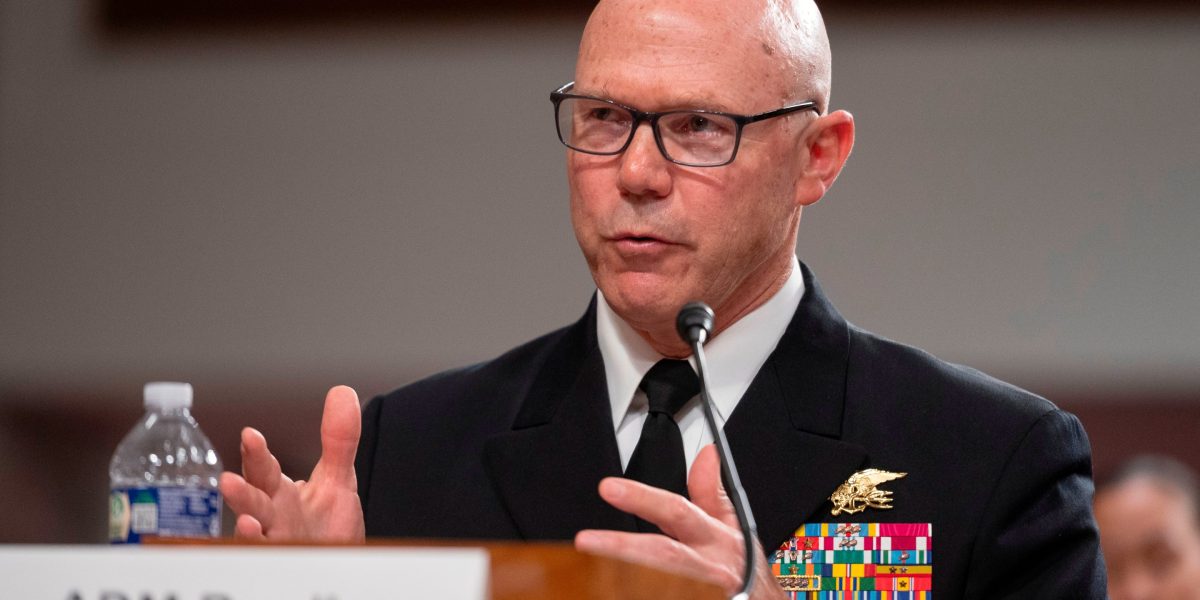
U.S. Special Operations Command Reports Increasing Use of AI to Enhance Targeting and Decision Speed
Admiral Frank Bradley said humans must retain confidence that AI will deliver violence only where intended. Defense Secretary Pete Hegseth continues to push rapid AI adoption across the military.
 Semafor
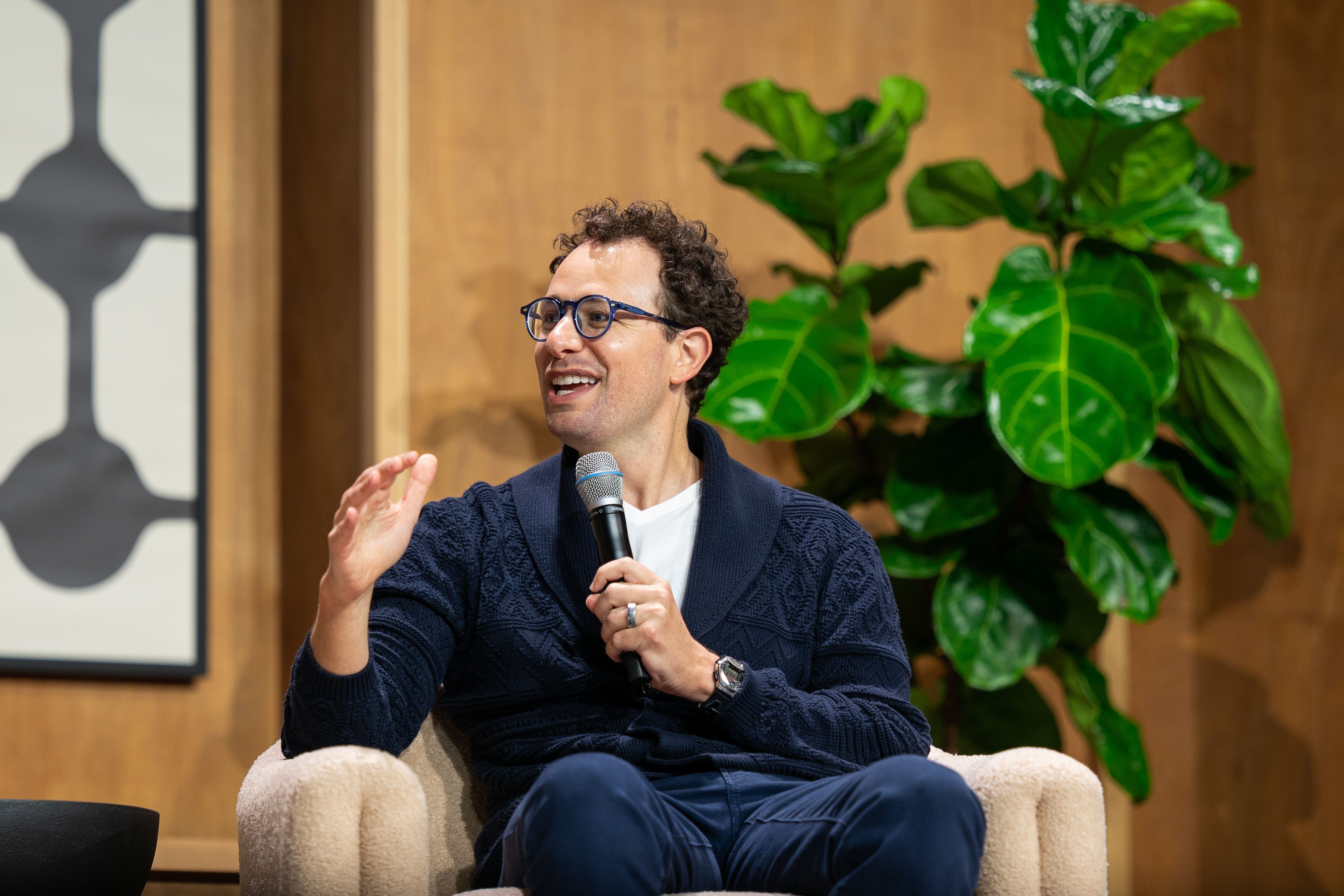
Anthropic Raises $65 Billion at $965 Billion Valuation
Anthropic completed a $65 billion funding round at a $965 billion valuation. The round follows earlier growth that exceeded internal forecasts and a separate agreement to lease computing capacity.
 rove.me
South African Researchers Develop Quantum and AI Tools for Cybersecurity
Scientists and startup companies in South Africa are applying quantum communication and AI-powered tools to address rising global cyber threats. The work focuses on strengthening data protection methods.