Prediction Markets Show Increased Odds of 25th Amendment Invocation During Trump's Presidency Amid Iran Conflict
Prediction markets on platform Kalshi indicate a rise in the probability of the 25th Amendment being used to remove President Donald Trump from office, reaching 35.1 percent. This development coincides with the ongoing Iran war and Trump's recent social media statements. Senator Chris Murphy has called for Cabinet consideration of the amendment.
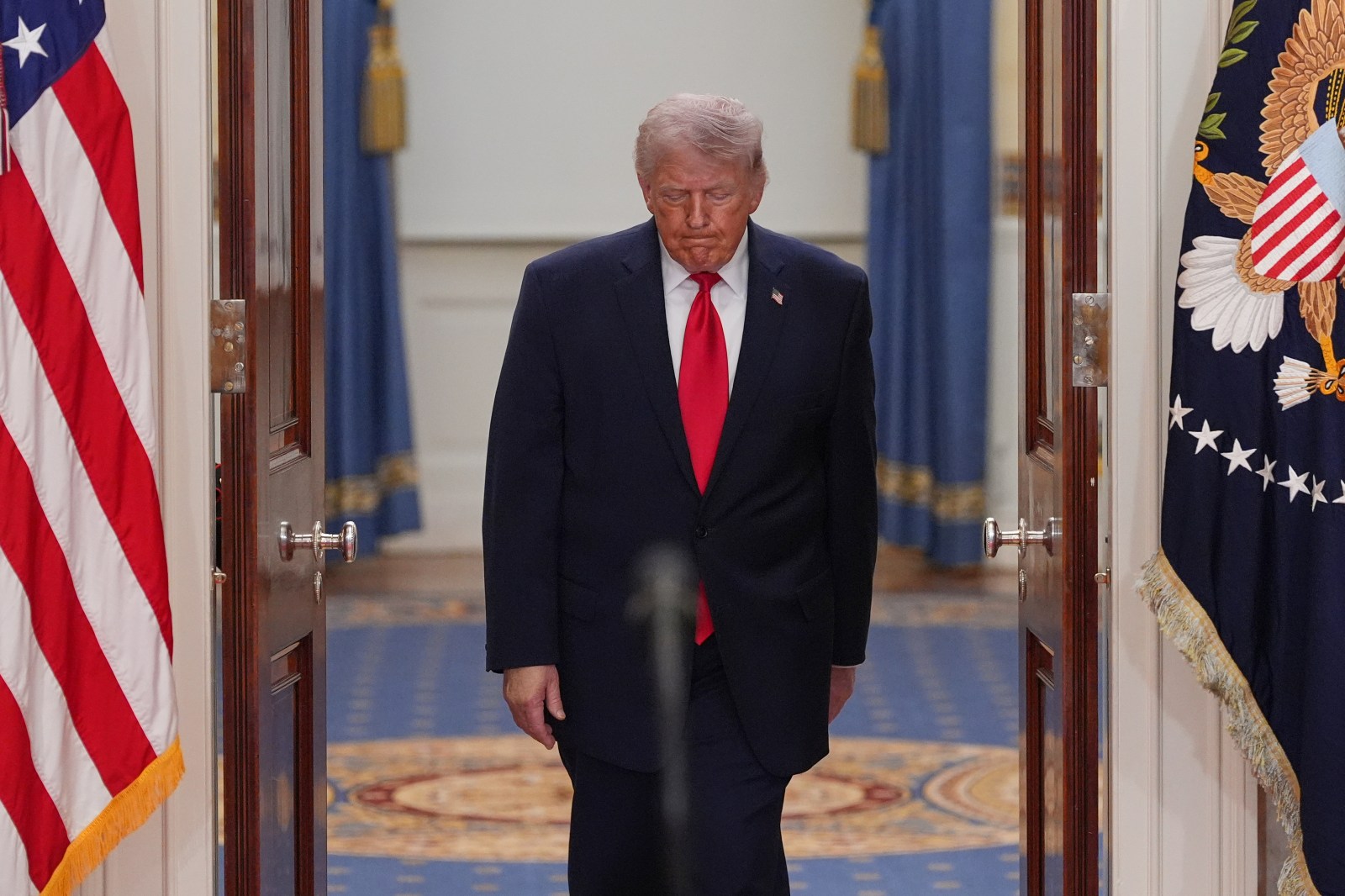 Newsweek
Prediction markets tracking the potential invocation of the 25th Amendment against President Donald Trump have shown an increase in the odds of such action. The 25th Amendment permits the vice president and a majority of Cabinet members to declare the president unable to perform duties, with temporary or permanent transfer of power to the vice president.
” allows traders to purchase “Yes” or “No” shares. The price for “Yes” shares rose from 28.6 percent to 35.1 percent over the last month, marking the second-highest level since the start of Trump's second term in January 2025. The market began at 15 percent for “Yes” in January 2025, according to Kalshi data.
This rise in trading activity occurs amid the intensifying Iran war, which has led to the effective shutdown of the Strait of Hormuz and threats to civilian infrastructure. On Easter Sunday, Trump posted on Truth Social: “Tuesday will be Power Plant Day, and Bridge Day, all wrapped up in one, in Iran.
There will be nothing like it!!! Open the F’ Strait you crazy b**, or you’ll be living in Hell—JUST WATCH!
“The president's post is completely, utterly unhinged.”
Senator Chris Murphy, a Democrat from Connecticut, urged the Cabinet on Sunday to consider invoking the 25th Amendment in response to Trump's statement.
The 25th Amendment, ratified in 1967, addresses presidential succession and disability. It has been invoked for temporary transfers of power during medical procedures, such as those involving Presidents Ronald Reagan and George W. Bush, but has never been used to remove a sitting president.
Invocation requires the vice president and a majority of principal officers of executive departments to transmit a written declaration to congressional leaders. If the president contests, Congress must decide by a two-thirds vote within 21 days.
The process involves significant legal and political challenges, including potential Supreme Court review and partisan divisions within the Cabinet and Congress. Affected parties include the executive branch, Congress, and the public, with implications for U.S. foreign policy continuity during the Iran conflict.
Critics of prediction markets like Kalshi contend that they can heighten political uncertainty by enabling bets on speculative events. Supporters argue that these platforms offer real-time insights into public sentiment and expectations. The markets' fluctuations are tied to developments in the Iran war and scrutiny of administration decision-making.
Trading on Kalshi's contract will continue as long as it remains active, with prices expected to vary based on ongoing global tensions and political events. No formal actions toward invoking the 25th Amendment have been reported from the vice president or Cabinet.
Transparency
Reported by a single outlet. This score reflects source tier and factual specificity — corroboration is limited with one source.
Story details
Related Stories
 thehindu.com
House Passes Resolution Asserting Congress Must Authorize Any U.S. Hostilities With Iran
The House voted 215-208 on June 3 to pass a measure directing President Trump to withdraw U.S. forces from hostilities with Iran unless Congress authorizes force. Four Republicans joined Democrats in support of the non-binding resolution.
 Washington Examiner
House Passes Non-Binding Resolution on Iran War Powers, 215-208
The U.S. House voted 215-208 on June 3 to require congressional approval for continued hostilities with Iran. Four Republicans joined Democrats in support after a discharge petition forced the measure to the floor.
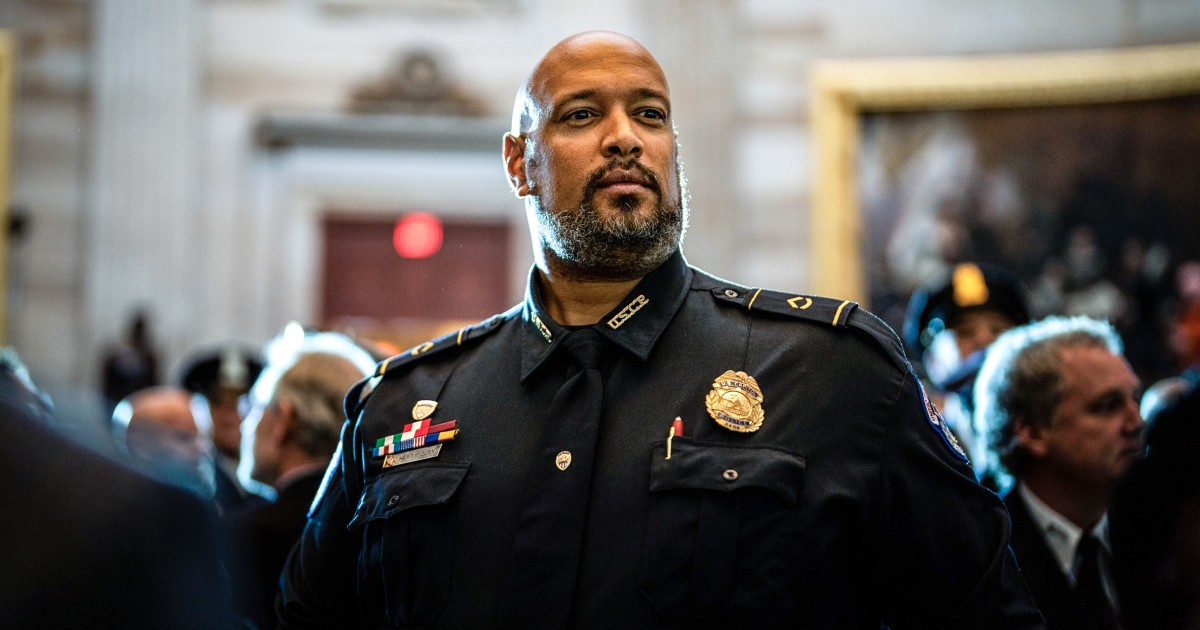 msnbc.com
Congress Raises Capitol Police Mandatory Retirement Age
President Trump signed Public Law 119-95 on June 4, 2026, amending chapters 83 and 84 of title 5 to authorize an increase in the mandatory retirement age for U.S. Capitol Police officers. The change extends the period officers can remain on duty, altering staffing calculations an…