President Signs Rural Broadband Protection Act Requiring FCC Vetting Process
The president signed S. 98, the Rural Broadband Protection Act of 2025, directing the Federal Communications Commission to create a vetting process for applicants seeking high-cost universal service program funding. The law establishes new safeguards for deployment of broadband-capable networks in rural areas that receive federal subsidies.
 ocregister.com
WASHINGTON, May 11, 2026 — President signed into law S. 98, the Rural Broadband Protection Act of 2025, on Monday, directing the Federal Communications Commission to initiate a rulemaking proceeding to establish a vetting process for applicants for high-cost universal service program funding.
The high-cost universal service program supports deployment of voice and broadband-capable networks in rural, insular and high-cost areas where private investment alone would not occur. It serves millions of households across these regions through subsidies that offset the elevated costs of infrastructure in low-density locations.
The statute changes the prior state in which no dedicated federal vetting process existed specifically for high-cost program applicants. The new law requires the FCC to open a rulemaking proceeding and put the vetting process in place; the statute takes effect immediately upon signing.
The rulemaking will require the FCC to define eligibility criteria, documentation standards and review timelines for carriers and entities seeking funding. Funding recipients will face new compliance obligations once the rules finalize. The agency must next publish a notice of proposed rulemaking in the Federal Register, triggering a public comment period before final rules issue.
Carriers planning rural deployments will adjust application timelines to match the forthcoming vetting schedule.
This marks the second broadband-related measure signed today. The president also signed S. 1020, which authorizes additional spectrum and infrastructure actions. Congress passed both bills in the preceding weeks as part of ongoing efforts to secure federal communications subsidies against waste, fraud and national-security risks in rural network builds.
The high-cost program operates as one of four pillars of the Universal Service Fund, administered by the FCC under the Communications Act of 1934 as amended. The Rural Broadband Protection Act adds a procedural layer to existing program rules without altering overall authorized funding levels.
Coverage spread
Substrate’s article above is written from the primary record. Below: how mainstream outlets reported the same event.
No mainstream coverage of this story has surfaced yet.
Transparency Panel
Related Stories
 BBC News
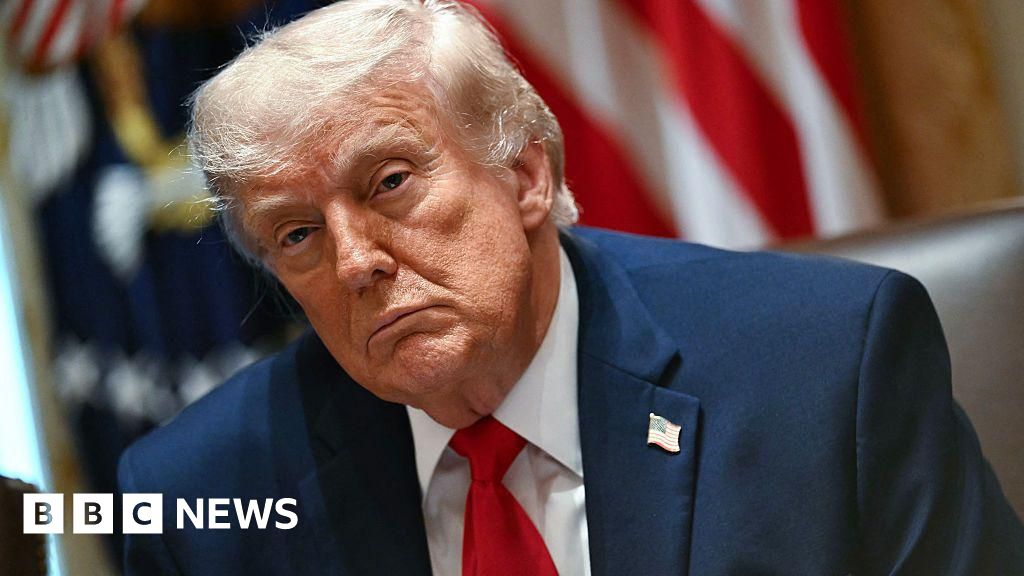
Trump Meets Advisers to Decide on Iran Ceasefire Extension
President Trump said he is holding a Situation Room meeting to make a final decision on a possible deal with Iran. The proposed agreement would extend the ceasefire by 60 days and reopen the Strait of Hormuz.
 middleeasteye.net
Trump to Decide on Iran Deal in Situation Room Meeting
President Trump said Friday he is heading into the Situation Room to make a final determination on a potential agreement with Iran. The proposed deal would reopen the Strait of Hormuz without tolls and require destruction of Iran's highly-enriched uranium.
 realitytea.com
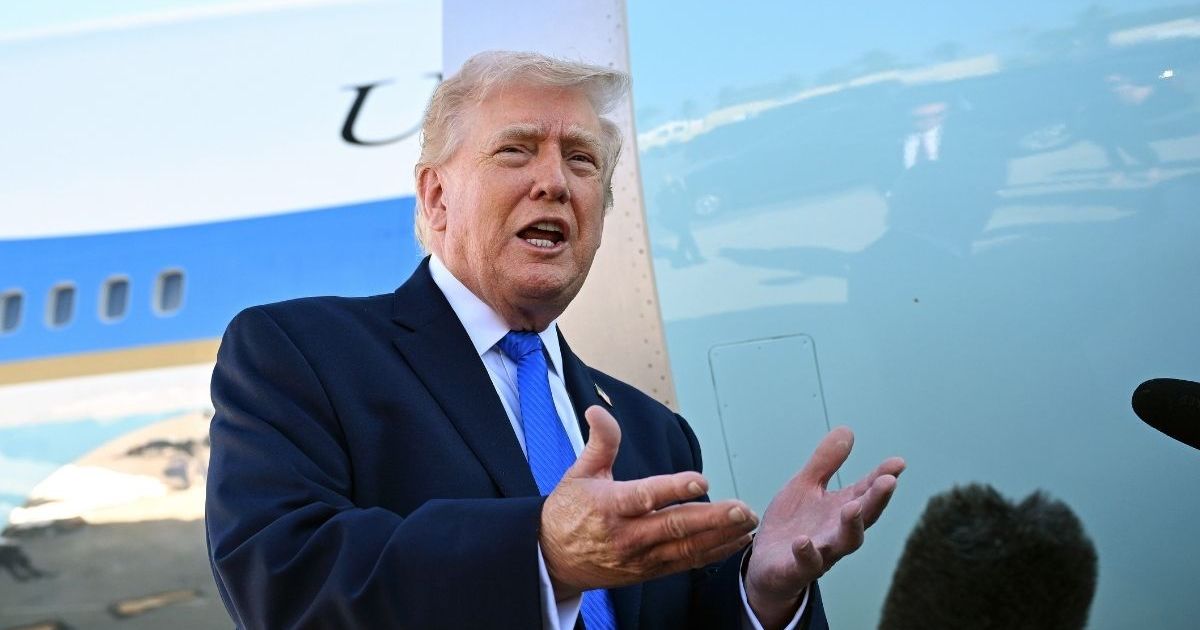
Trump Says U.S. Will Lift Iran Naval Blockade After Nuclear and Hormuz Pledges
President Trump stated the U.S. will end its naval blockade of Iran once Tehran commits to forgoing nuclear weapons and opens the Strait of Hormuz to unrestricted shipping. The announcement came via Truth Social and a live statement.