science
Reanalysis of 1948 German Discovery Shows Neanderthals Hunted Large Mammals
Researchers have re-examined elephant bones and a wooden spear discovered in Germany in 1948. The analysis indicates that Neanderthals hunted straight-tusked elephants. This finding provides evidence of their capabilities in pursuing large game.
Apr 7, 11:47 AM·1m read1 source
NE
 news.sky.com
Audio version
Tap play to generate a narrated version.
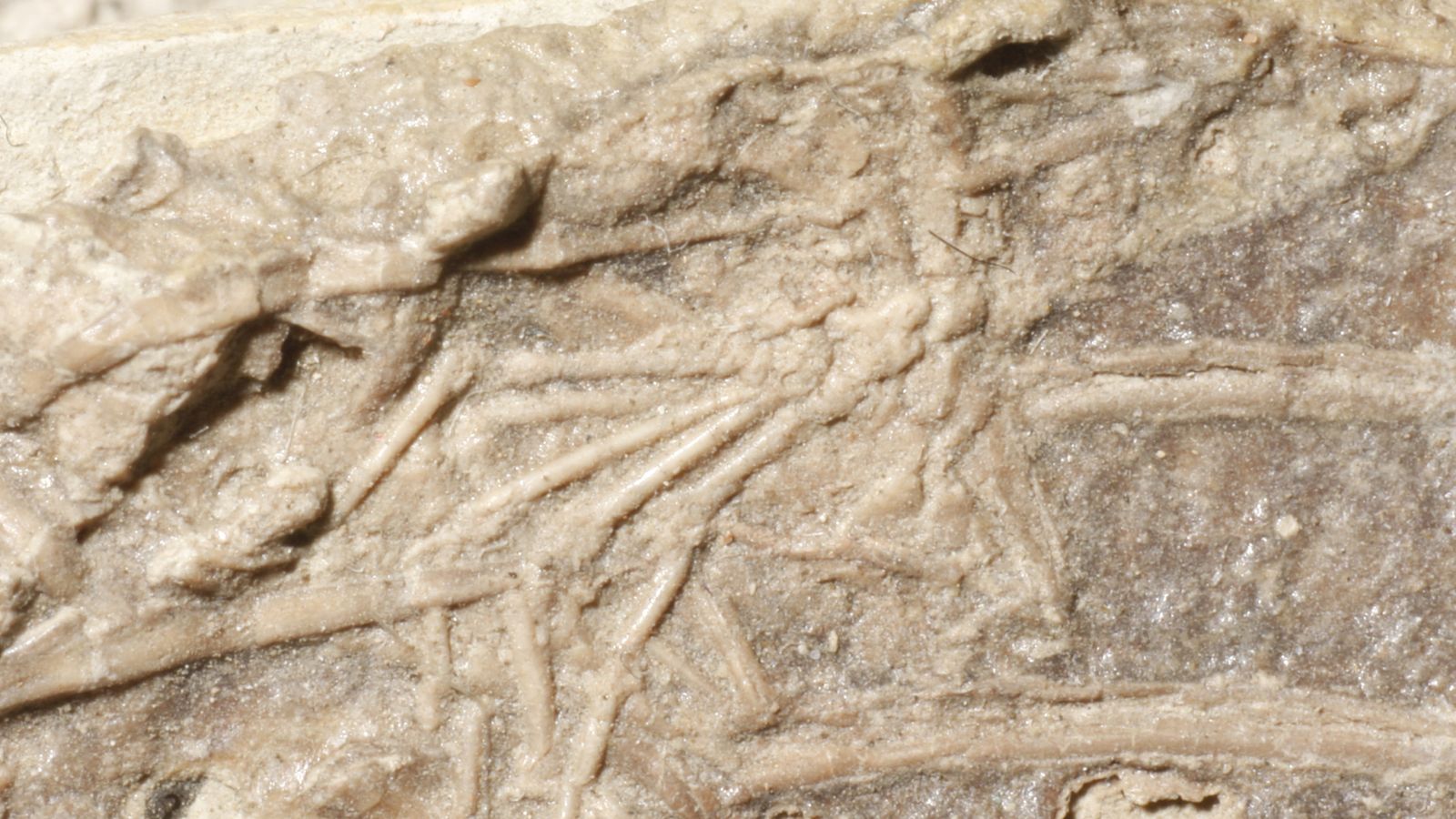
A team of researchers has conducted a new analysis of elephant bones and a wooden spear unearthed in Germany in 1948. The site, located in the Neumark-Nord quarry near Halle, contained remains of straight-tusked elephants, an extinct species of large mammal. The reanalysis, reported by New Scientist, suggests that Neanderthals used the spear to hunt these animals.
3 meters in length and shows signs of use as a thrusting weapon. Isotope analysis of the elephant bones indicates that the animals primarily inhabited forested environments, which would have made them challenging targets for hunters. Neanderthals, who lived in Europe from about 400,000 to 40,000 years ago, are now linked to this site through the evidence.
The bones examined include those from at least 25 straight-tusked elephants, with cut marks and fractures consistent with human butchery.
According to the study, published in the journal Quaternary International, the hunting likely occurred around 125,000 years ago during a warm interglacial period. This period featured dense forests across central Europe, affecting the distribution of large herbivores like elephants.
Straight-tusked elephants weighed up to 13 tons and stood over 4 meters at the shoulder, requiring coordinated group efforts to hunt.
The discovery challenges previous views that Neanderthals primarily scavenged or targeted smaller prey. Researchers note that the spear's design and the bone evidence point to active pursuit and killing of these megafauna.
coexisted with early modern humans in Europe, and understanding their hunting strategies provides insight into their survival adaptations.
The Neumark-Nord site also yielded tools and other animal remains, indicating repeated human activity there. Future excavations may uncover more artifacts to confirm these patterns. This reanalysis builds on the original 1948 findings, which were initially attributed to natural causes or other hominins.