Topic
Archaeology
60 stories related to this topic, newest first.
 New Scientist
science10 hrs ago
Turkish Cave Shows Consistent Tools and Shells Across Neanderthal and Homo Sapiens Occupations
@NewScientist reported that excavations at Üçağızlı II cave found identical stone-tool technology and a shared preference for Columbella rustica shells. Neanderthals occupied the site from 77,000 to 59,000 years ago before Homo sapiens moved in.
 thenation.com
world12 hrs ago
Exhibit at Yigal Allon Center to Display Huqoq Settlement Finds
The Yigal Allon Center will open an exhibit showing artifacts from the ancient Jewish settlement of Huqoq in the Galilee. Items include a Samson mosaic, bronze coins, and objects from a Roman-Byzantine village.
JE
 nypost.com
world15 hrs ago
Two 2,000-Year-Old Gold Rings Found With Skeleton at Thailand Site
Archaeologists uncovered the rings last week at the Don Yai Thong site in Phetchaburi province. One bears an inscription linked to ancient Indian astronomy. The discovery adds to eight skeletons and other artifacts unearthed since February.
 anthropology.net
world2 days ago
Neanderthals and Homo Sapiens Shared Tools and Shells at Turkish Cave
Cnn reported that both species occupied Üçağızlı II cave in southern Turkey at different times and produced similar Mousterian tools while hunting the same animals and collecting Columbella rustica shells. The research was published Monday in PNAS based on fossils and sediment la…
 New Scientist
science3 days ago
Archaeologists Uncover Wooden Posts Aligned to Summer Solstice Near Stonehenge
@NewScientist reported the discovery of two postholes at Bulford, 5 km from Stonehenge, forming a wooden monument aligned to the midsummer sunrise around 2950 BC. The structure predates Stonehenge's main phases by about 500 years.
 New York Post
world3 days ago
Archaeologists Decode Aramaic Inscription at Turkish Mithras Temple
Researchers have deciphered a 1,700-year-old Aramaic inscription at an underground Mithras temple in southeastern Turkey. The engraving, found at Zerzevan Castle, references both Mithras and Jesus Christ and provides direct evidence of the temple's closure by early Christians.
 news.sky.com
science3 days ago
Genetic Analysis Shows Scythian Elite Status Passed Through Family Lines
DNA from 85 Iron Age burials indicates that Scythian elites inherited power across generations and maintained family ties despite geographic separation. Researchers reported the results Friday in Science Advances, drawing on samples from elite and non-elite kurgans in Kazakhstan…
 theconversation.com
world3 days ago
Two 2,000-year-old gold rings found at Thailand excavation site
Officials discovered two gold rings during an excavation at the Don Yai Thong archaeological site in western Thailand. One ring bears an inscription in ancient Brahmi script.
 abcnews.go.com
science4 days ago
DNA From 27 Northwestern Neanderthal Remains Shows Lower Diversity Than Modern Humans but No Further Decline
@NewScientist reported that researchers sequenced DNA from 27 remains across Belgian and French sites dating 52,500 to 40,000 years ago. The genomes indicate stable diversity and no rise in harmful mutations or close-kin mating in this population.
 The Independent
science4 days agoUpdated
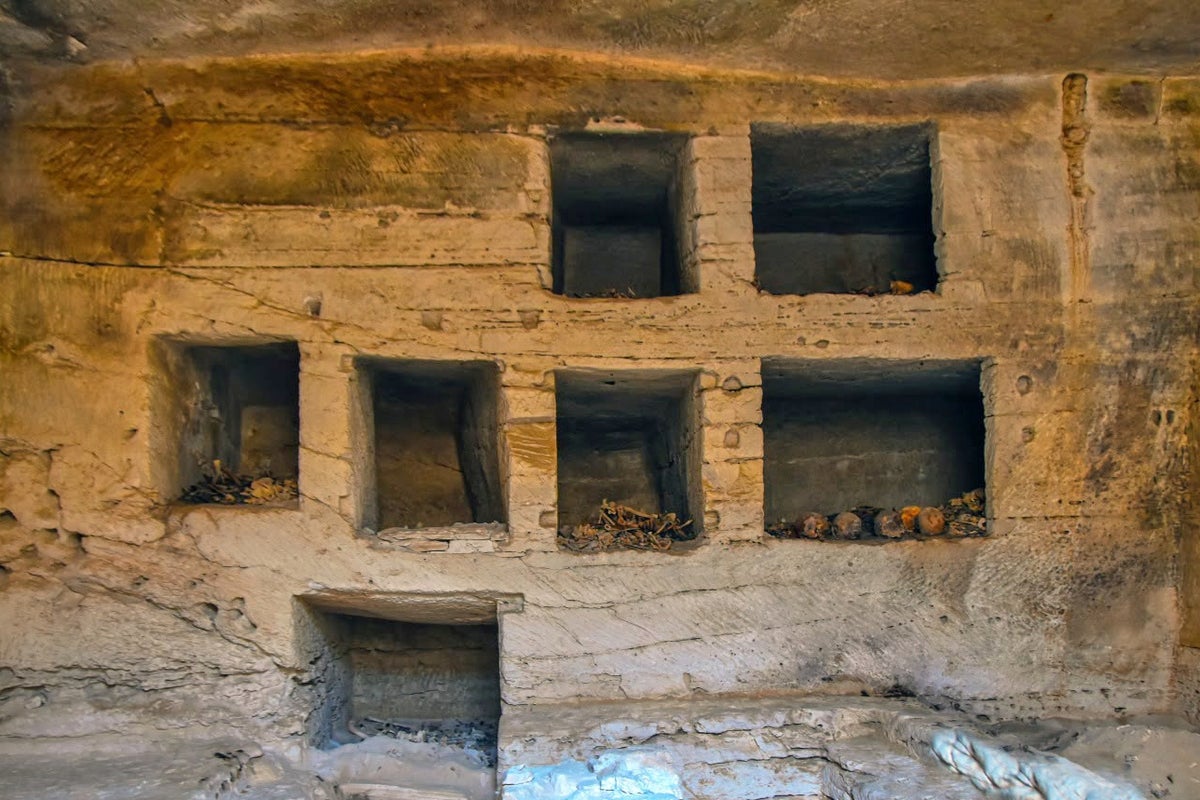
Egypt Announces Byzantine City and Ancient Tombs in Western Desert
Egypt unveiled a fourth-century Byzantine residential settlement at Dakhla Oasis and 18 additional tombs at Marina el-Alamein. The finds add detail on daily life and funerary practices while supporting the country's tourism recovery.
 news.sky.com
science4 days ago
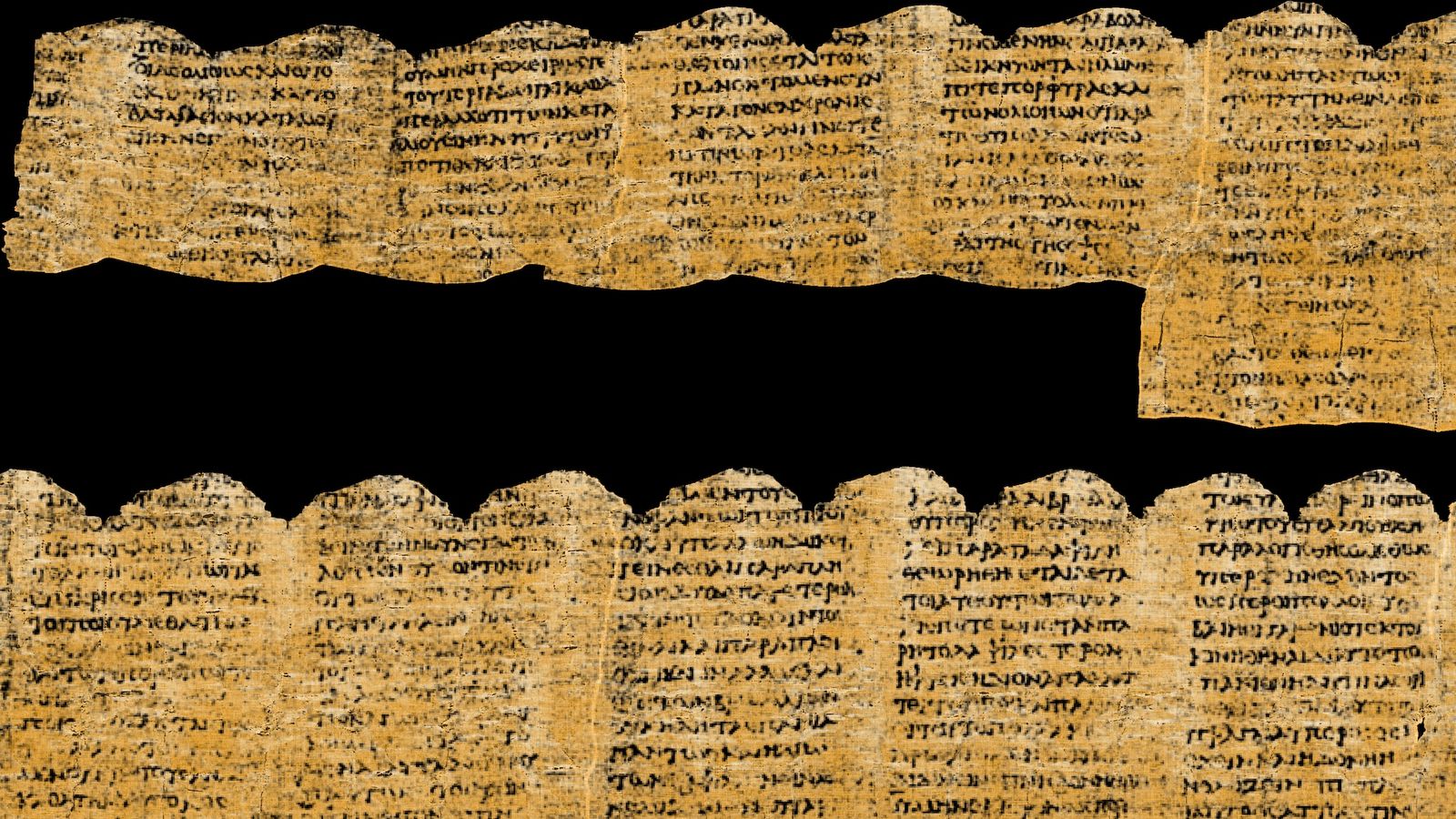
AI recovers 1.5-metre text from damaged Herculaneum scroll core using 3D scans
Researchers extracted 1.5 metres of continuous text from a 2-centimetre scroll core using high-resolution scans and AI. The work comes from the library buried by the AD 79 Vesuvius eruption and discovered in 1752.
 washingtonpost.com
world5 days ago
DNA Analysis Identifies Remains of Maryland Soldier Killed at Camden in 1780
Battlefield remains labeled 9B have been matched to John Pumphrey, who enlisted in the Continental Army as young as 13. The identification was made using multiple DNA types and family records ahead of the nation's 250th anniversary.
world5 days ago
Egypt Announces Byzantine City and Greco-Roman Tombs at Two Sites
Egyptian authorities reported a fourth-century residential settlement at Dakhla Oasis and 18 additional tombs at the Marina el-Alamein site. The finds add to a total of 48 tombs documented at the coastal location.
world5 days ago
Egypt Announces Two Archaeological Finds in Western Desert and Near Alexandria
Egyptian officials reported the discovery of a fourth-century Byzantine residential settlement at the Dakhla Oasis and 18 additional tombs at the Marina el-Alamein site. The finds add to a total of 48 tombs documented at the coastal location.
 Euronews
science5 days ago
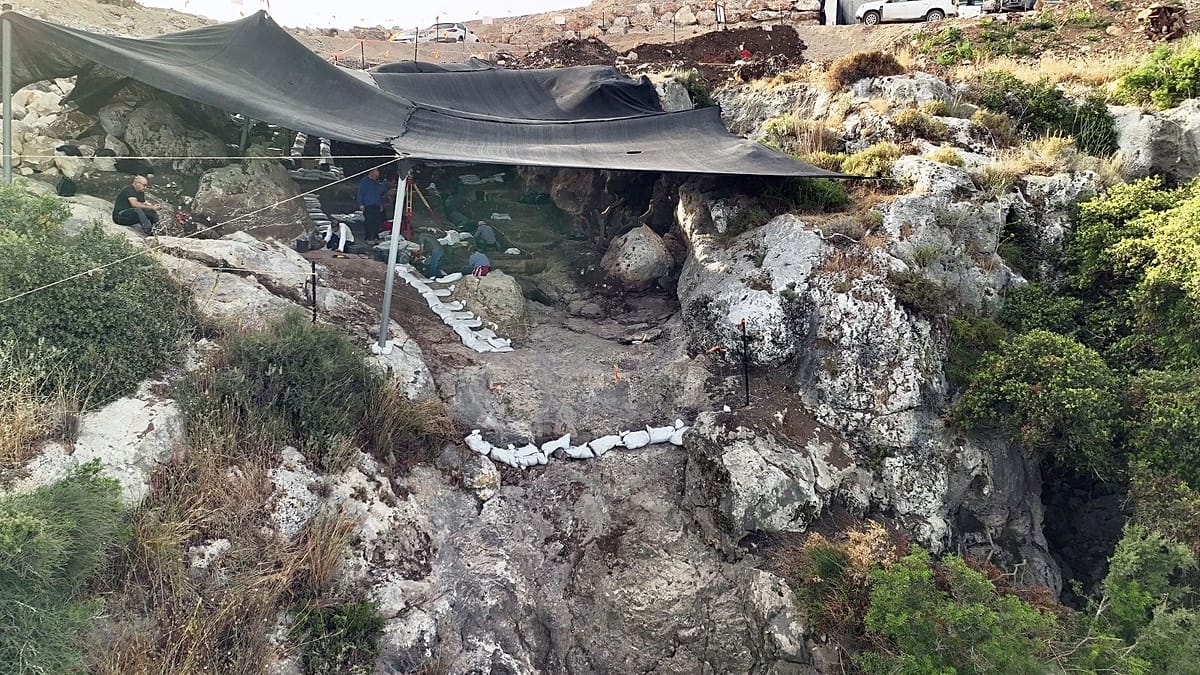
Intact Prehistoric Cave Found Near Foreidis in Northern Israel
Archaeologists uncovered a sealed cave near Foreidis that dates between 400,000 and 250,000 years ago. The site contains flint tools, animal bones, and evidence of repeated occupation from the Acheulo-Yabrudian period.
 scoopempire.com
world5 days ago
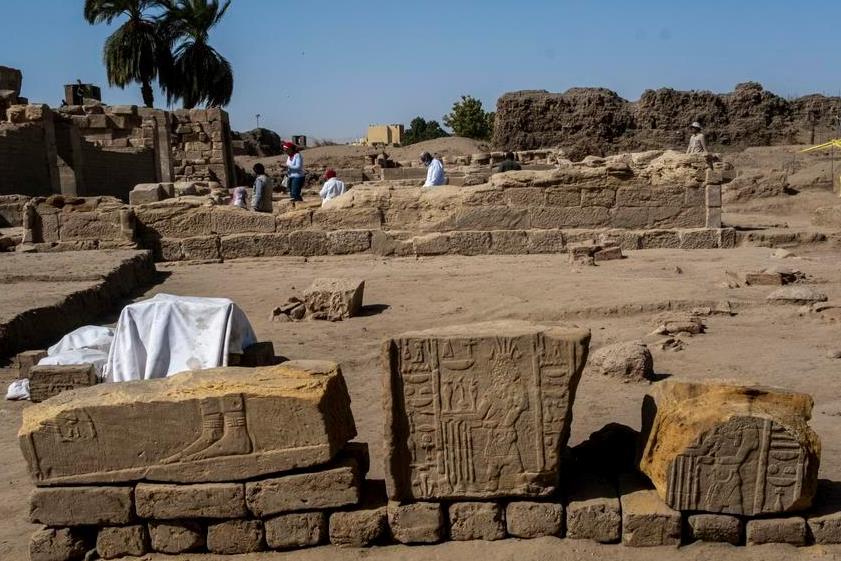
Egyptian Excavation Uncovers New Chambers in 2,500-Year-Old Temple
Archaeologists completed excavation of previously unexplored sections of an ancient temple in Egypt's Bahariya Oasis two weeks ago. The work revealed sandstone columns, shrines, and inscriptions naming Pharaoh Psamtik I along with artifacts from earlier dynasties.
JE
 nypost.com
world7 days ago
Archaeologists Complete 1,000 Trial Trenches Along Proposed East West Rail Route
Work on 1,000 archaeological trial trenches has been completed in Bedfordshire and Cambridgeshire. Roman coins, a Late Iron Age vase and pottery were among the finds uncovered along the planned rail corridor between Cambridge and Oxford.
science8 days ago
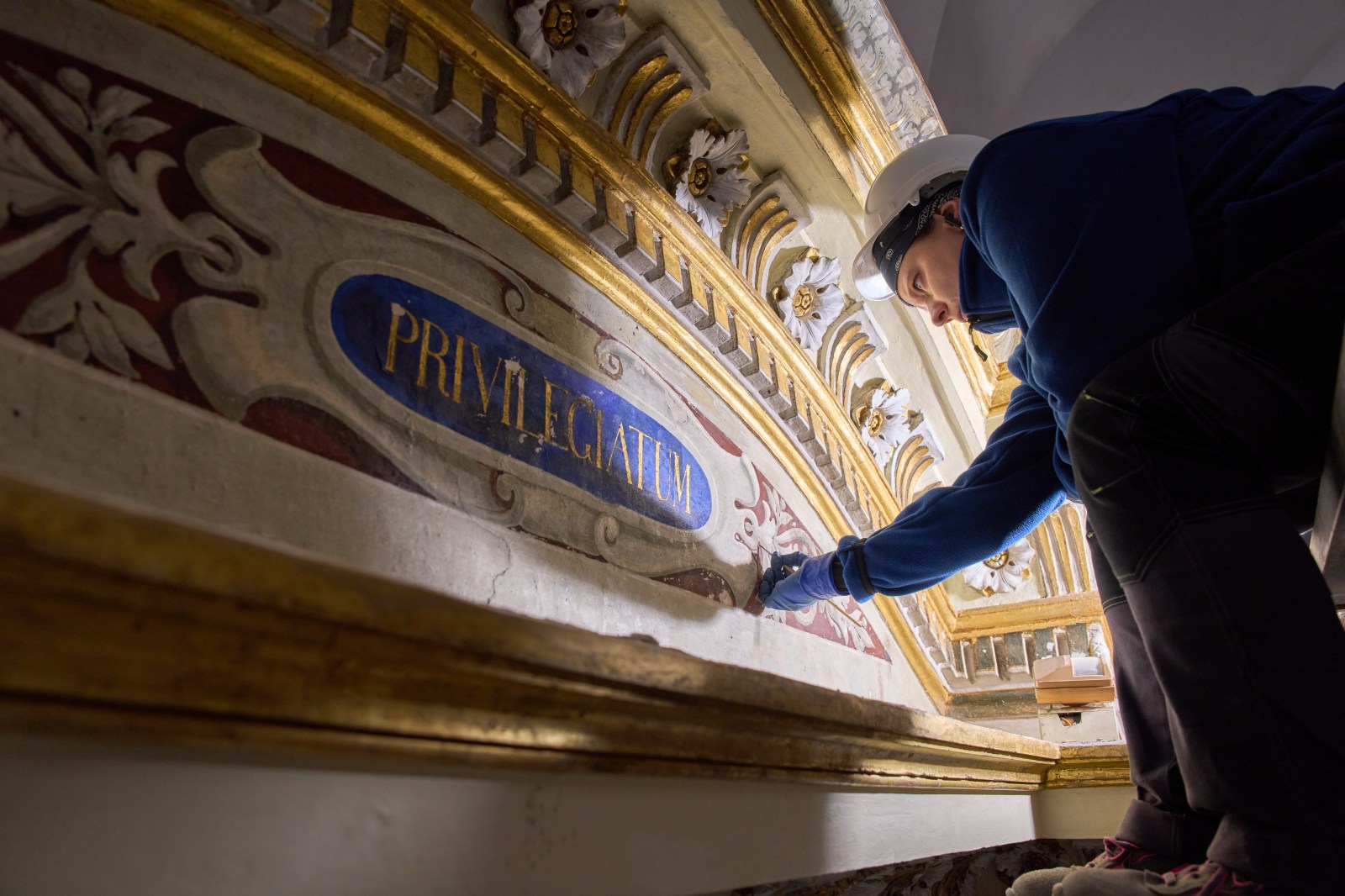
Italy puts François Tomb frescoes on display after acquiring them for 15 million euros
The Culture Ministry purchased the 4th-century BC panels from the Torlonia family and placed them on view at the National Etruscan Museum of Villa Giulia. The tomb opens to the public on July 1, 2026, alongside loaned artifacts from other institutions.
 winnipegfreepress.com
world8 days ago
European Grant Funds Five-Year Study of Dead Sea Scrolls Origins
The European Research Council awarded a €2.5 million grant to lead a project analyzing the production sites of the Dead Sea Scrolls. The five-year effort will examine 250 samples using chemical analysis and AI. The Israel Antiquities Authority announced the project on July 1.
 Euronews
world9 days ago
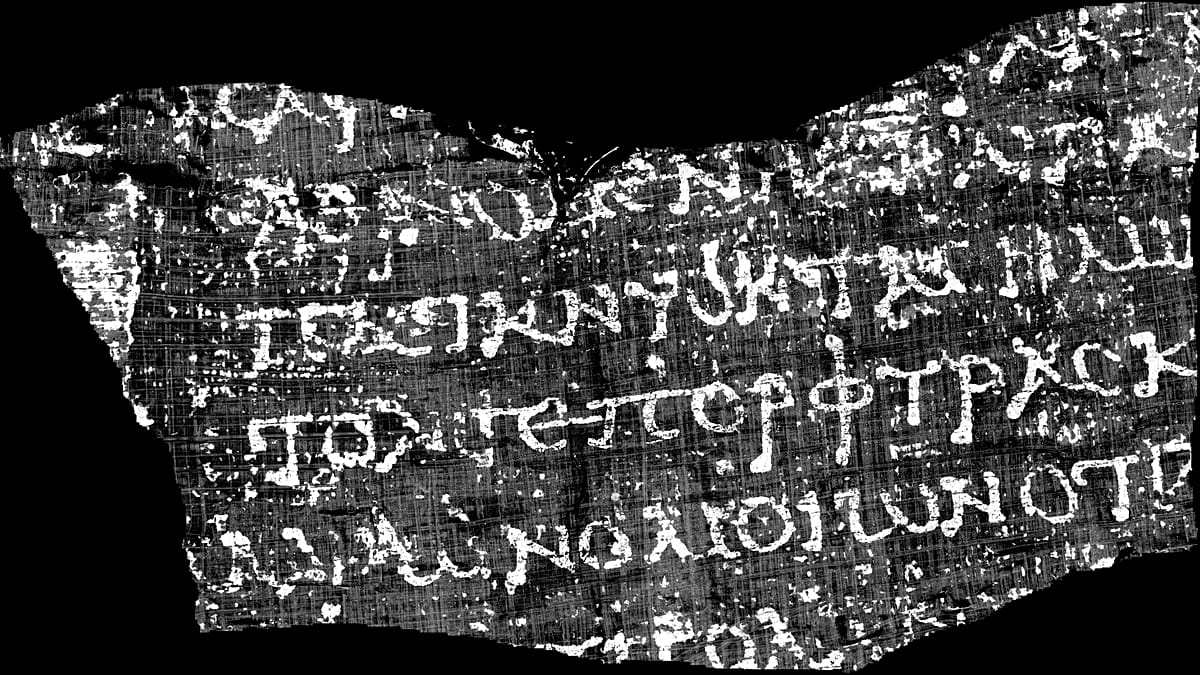
AI Reads Text of Damaged Ancient Scroll from Herculaneum Villa
Researchers used artificial intelligence to read PHerc. 1667, a carbonized papyrus scroll from Herculaneum, without unrolling it. The text is a philosophical treatise on ethics and moral progress that names a disciple of Chrysippus.
 chicagoreader.com
science10 days ago
Supreme Court Expands Presidential Firing Power in Split Ruling
The Supreme Court issued a split decision that broadens the president's authority to remove officials while declining to act on other pending matters. Additional rulings on birthright citizenship and transgender sports participation are scheduled for the following day.
 zmescience.com
world10 days ago
Scientists Bake Sourdough Bread Using Yeast From 5,300-Year-Old Mummy
Researchers extracted yeast from the preserved intestines of a mummy discovered in 1991 and used it to bake sourdough bread. The study examined potential applications beyond baking.
JE
 ancient.eu
world11 days ago
Turkey Registers Site of Alexander the Great's Battle of Granikos as Historical Site
Turkish officials have placed the battlefield and surrounding areas under protected status. The designation follows archaeological surveys completed in the Karabiga township of Çanakkale province.
JE
 archaeology.org
world12 days ago
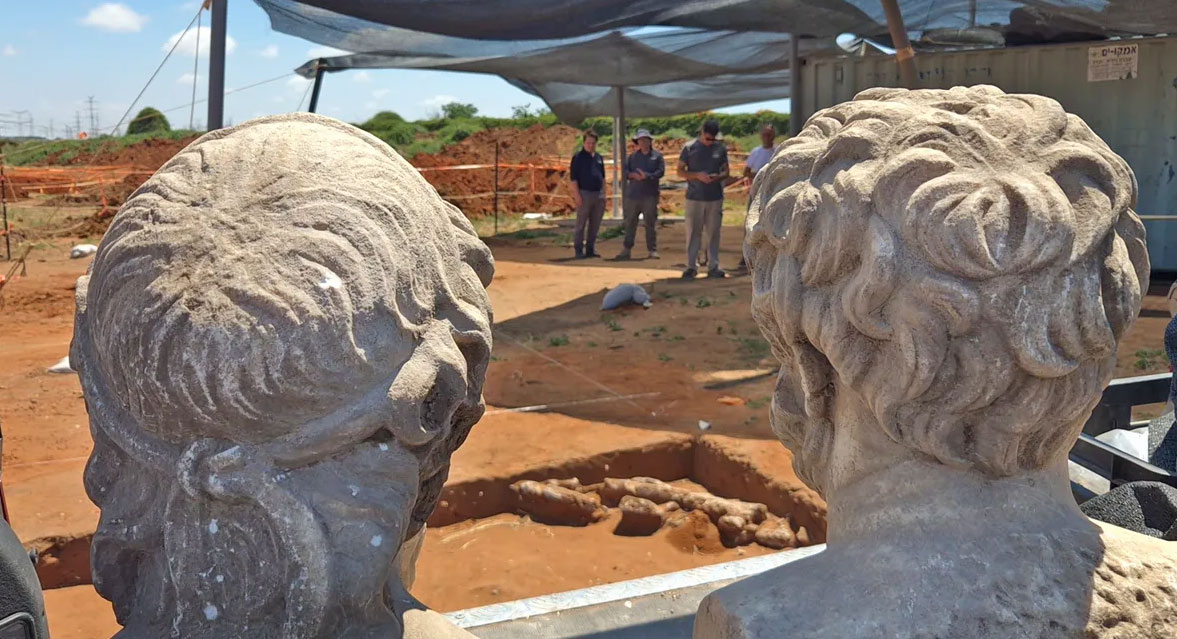
Archaeologists Find Two 1,700-Year-Old Statues in Israel Winepress
The marble figures were uncovered near Binyamina during work on a coastal railway. One bears a Greek inscription with the name Lycurgus, and both were buried face down in a Roman-Byzantine winepress pit.
news.sky.comworld12 days ago
AI and particle accelerator help read entire ancient scroll from Herculaneum
Researchers used artificial intelligence and a particle accelerator to virtually unwrap one complete scroll and recover text from others. The scrolls were buried by the 79 A.D. eruption of Mount Vesuvius and remained unreadable for centuries.
news.sky.comworld13 days ago
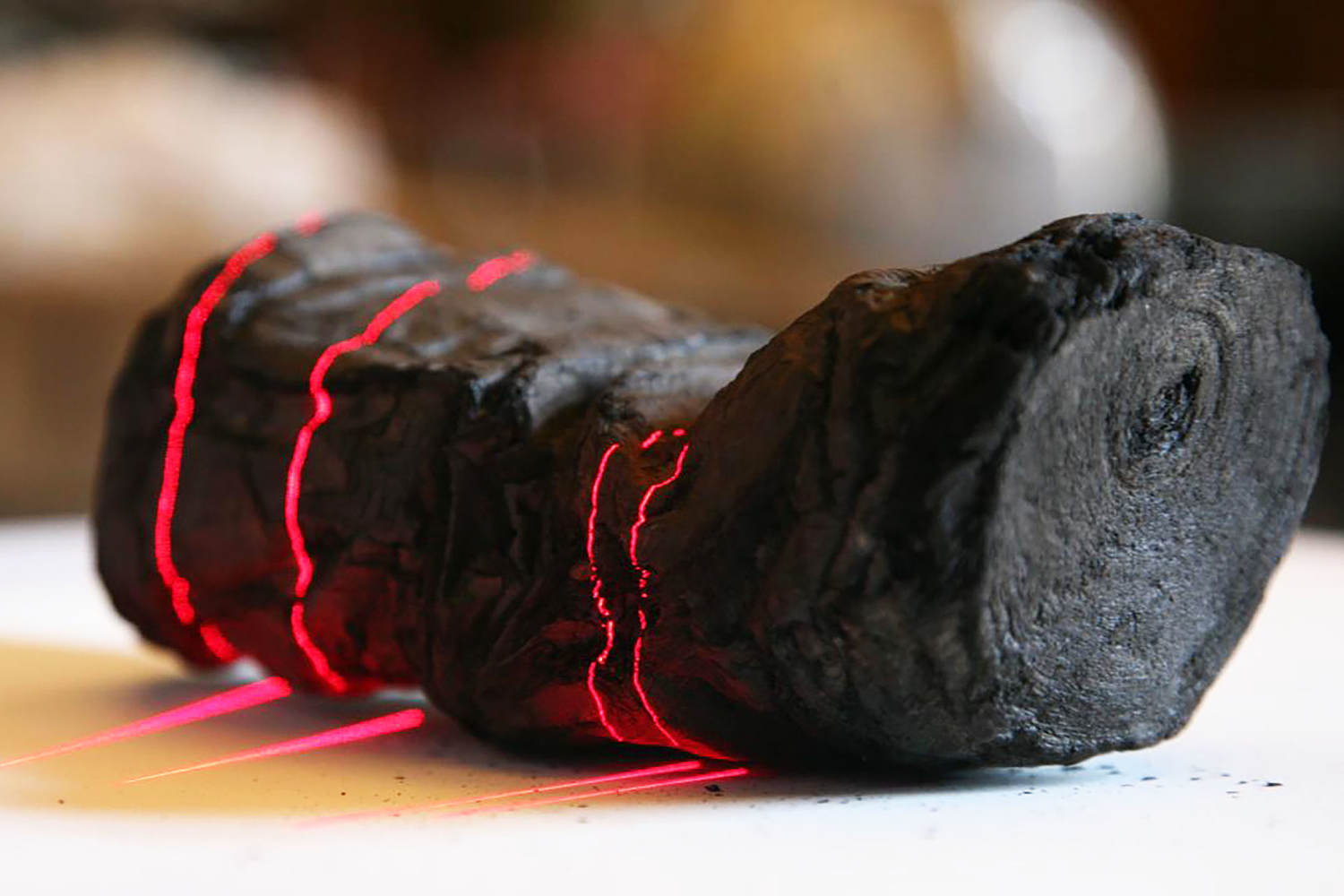
AI Helps Recover Text from Ancient Roman Scrolls Found at Herculaneum
Researchers announced Thursday that a University of Kentucky project has virtually unwrapped one scroll and recovered substantial text from others. The work identified two new ancient books and produced material for new scholarly editions. More than 600 scrolls remain unread.
 Nbc News
world13 days ago
Researchers Reveal Ancient Philosophical Texts From Vesuvius Scrolls
Scientists used AI to recover texts from carbonized scrolls buried in Herculaneum by the A.D. 79 eruption of Mount Vesuvius. The texts include discussions on ethics and human behavior by previously lost authors. A new $1 million prize was announced for deciphering a full scroll b…
 ecns.cn
world13 days ago
Egyptian Archaeologists Uncover Greco-Roman Cemetery Remains in Beheira Province
Archaeologists found human burials and artifacts at the Tell Kom Aziza site in northern Egypt. The cemetery dates from 332 B.C. to 395 A.D. and shows varied funerary practices across centuries. Excavation work continues at the location.
 jpost.com
world13 days ago
Fureidis Cave Excavation Reveals Six Layers of Prehistoric Occupation
Archaeologists began digging at the site after Passover 2026 after road work threatened it. They identified Acheulean-Yabrudian and Mousterian layers and persuaded authorities to build a bridge over the cave instead of through it.
 news.sky.com
world14 days ago
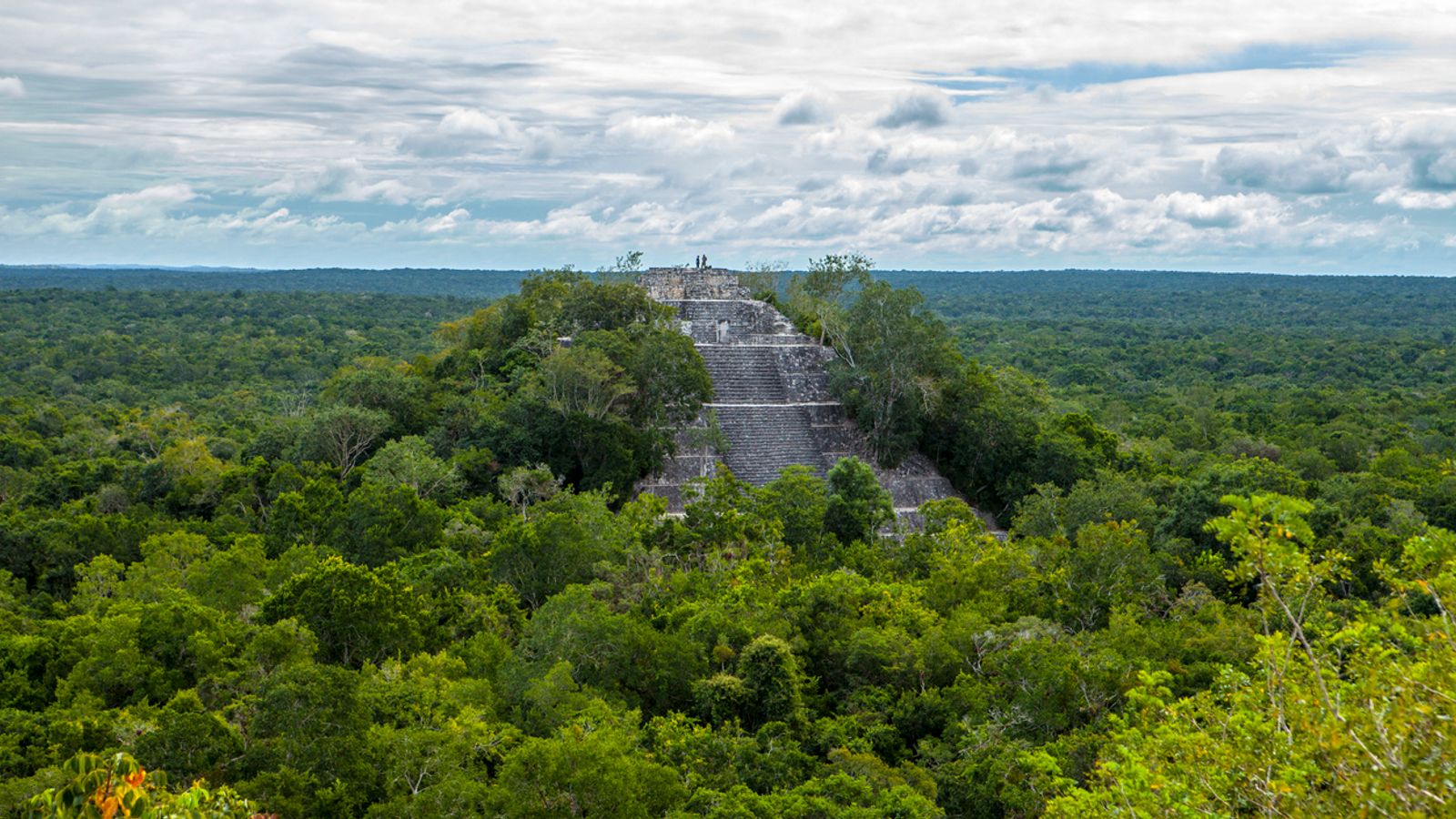
Mayan City Hidden for Over 1,000 Years Found in Mexican Jungle
Researchers used airborne laser mapping to locate a 37-acre settlement on the Yucatán peninsula. The site includes a 43-foot pyramid temple and was reached after workers cleared a three-mile path through dense vegetation.
 medievalists.net
science15 days ago
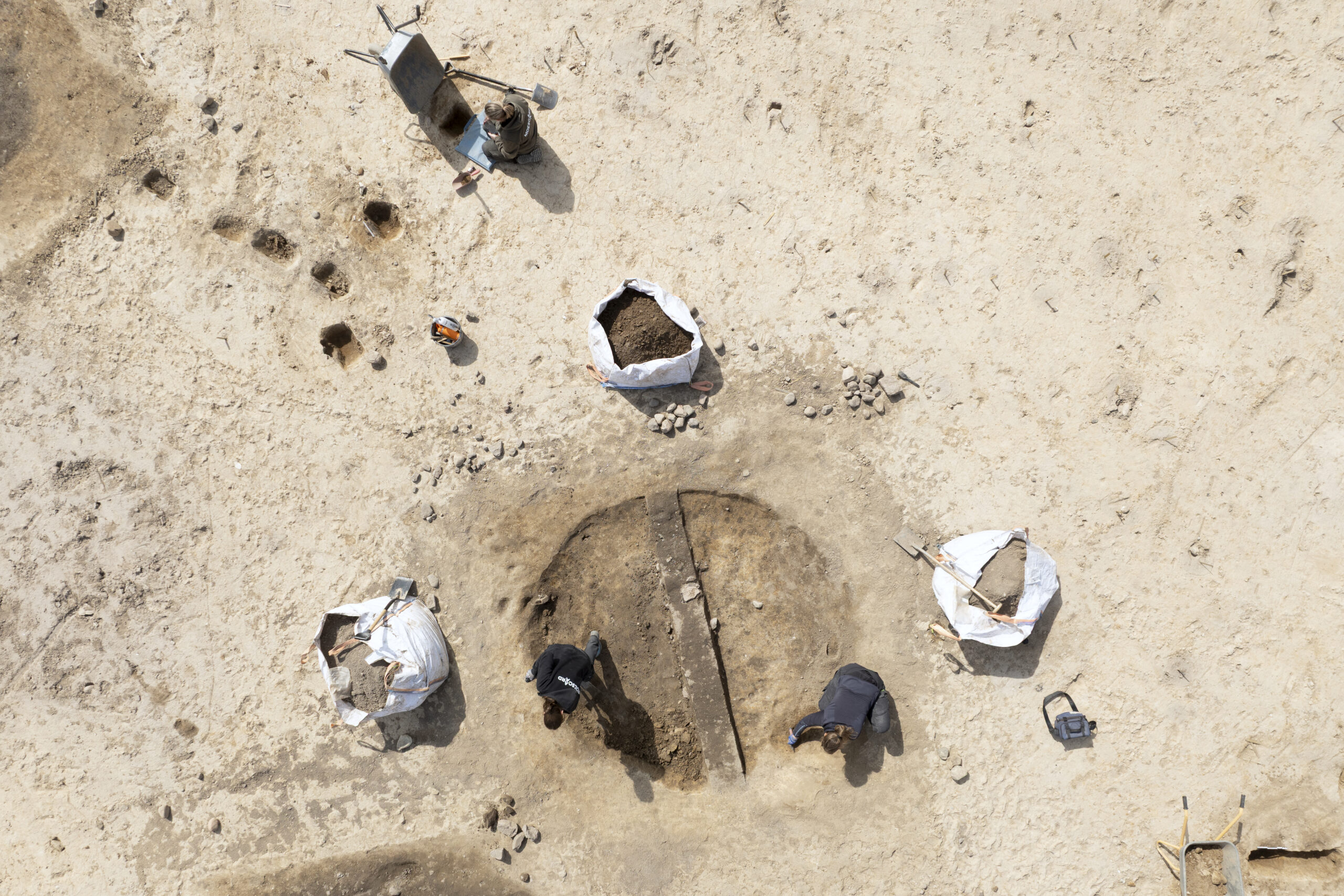
Archaeologists Discover Viking Age Textile Site in Søften Denmark
A 100,000-square-meter settlement focused on textile production was found in Søften, 10 kilometers north of Aarhus. The site dates between A.D. 600 and 950 and includes more than 80 pit houses. Fortune reported the results of a 10-month excavation by Moesgaard Museum.
 Substrate placeholder — needs review
science15 days ago
AI Reads 20 Columns from Burnt Herculaneum Scroll
Researchers used artificial intelligence to read 20 columns of previously hidden text from a carbonised scroll recovered from Herculaneum. The text discusses stoic philosophy on ethics and human behaviour and dates to the second or late-third century BC.
 The Independent
science15 days ago
Maya Elite Remains Found Buried at Two Distant Sites in Belize
Skeletons of 24 individuals at a house site also had teeth placed in a cave 26 km away. Researchers link the practice to beliefs about ancestors and the underworld.
Substrate placeholder — needs reviewworld15 days ago
Archaeologists Discover Large Viking Age Textile Production Site in Denmark
A 100,000-square-meter site in Søften features more than 80 pit houses and flax processing areas used between A.D. 600 and 950. The find highlights organized production tied to regional trade networks.
 The Sydney Morning Herald
science18 days ago
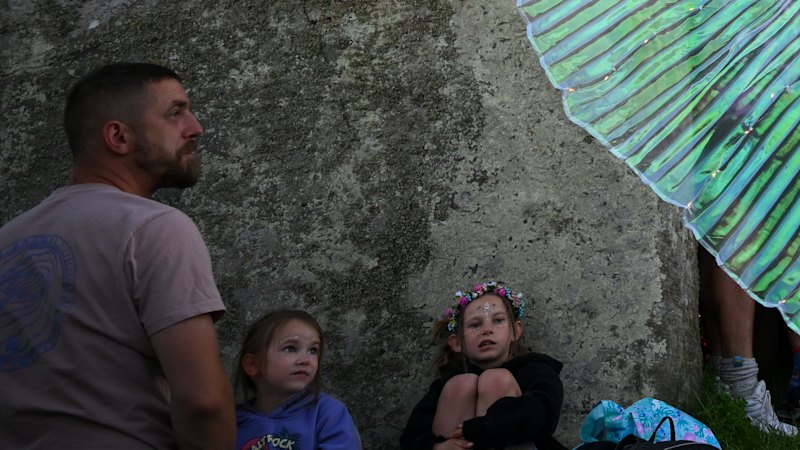
Archaeologists Find 5,500-Year-Old Solstice-Aligned Poles Near Stonehenge
Wessex Archaeology uncovered two wooden poles at Bulford that predate the stone circle by roughly 500 years and mark both the summer sunrise and winter sunset.
 New York Post
science20 days ago
Archaeologists Unearth Roman Coin and Medieval Objects in Notre Dame Square Renovation
Excavation 13 feet below Notre Dame Cathedral square has recovered a 4th-century coin, complete ceramics, and grain pits dating to the sixth century. The work precedes planned square renovations due by 2028.
Substrate placeholder — needs reviewworld21 days ago
Archaeologists Find 3000 B.C. Wooden Post Pits Near Stonehenge
Excavation at Bulford uncovered two large pits that once held wooden posts aligned with the solstices, predating the stone circle by about 500 years.
 The Independent
science22 days ago
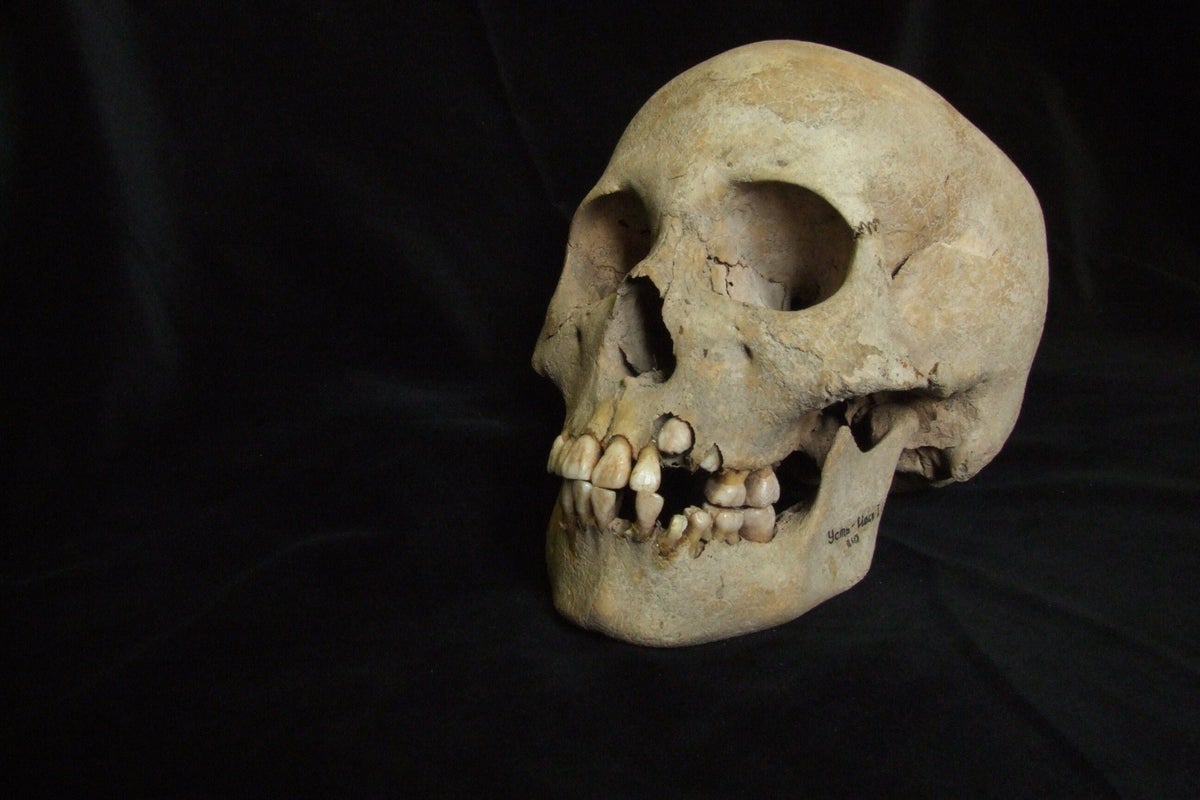
Scientists Find Oldest Known Plague Evidence in Siberian Remains
Researchers identified plague bacteria DNA in teeth from ancient hunter-gatherers near Siberia's Lake Baikal. The discovery dates the disease back approximately 5,500 years, earlier than previous records.
 nypost.com
world22 days ago
Artifacts Unearthed at Bunker Hill Monument Site
Archaeologists uncovered musket balls and other artifacts from the Battle of Bunker Hill beneath the monument grounds. The finds occurred during landscaping work at the historic Boston site.
AB
Substrate placeholder — needs reviewworld22 days ago
Archaeologists uncover cultic stone at ancient Israelite site
A large standing stone uncovered at Tel 'Eton in southern Israel shows signs of deliberate dismantling in the 8th century BCE. The find comes from a mansion excavated in 2014 and 2015 and may relate to religious changes described in biblical accounts of King Hezekiah.
 archaeology.org
science23 days ago
77 Headless Skeletons Found at 7,000-Year-Old Settlement in Slovakia
Archaeologists uncovered 78 skeletons, 77 without heads, at a Neolithic site near Vrable. Researchers concluded the remains reflect a deliberate post-mortem ritual rather than violence.
 The Independent
science23 days ago
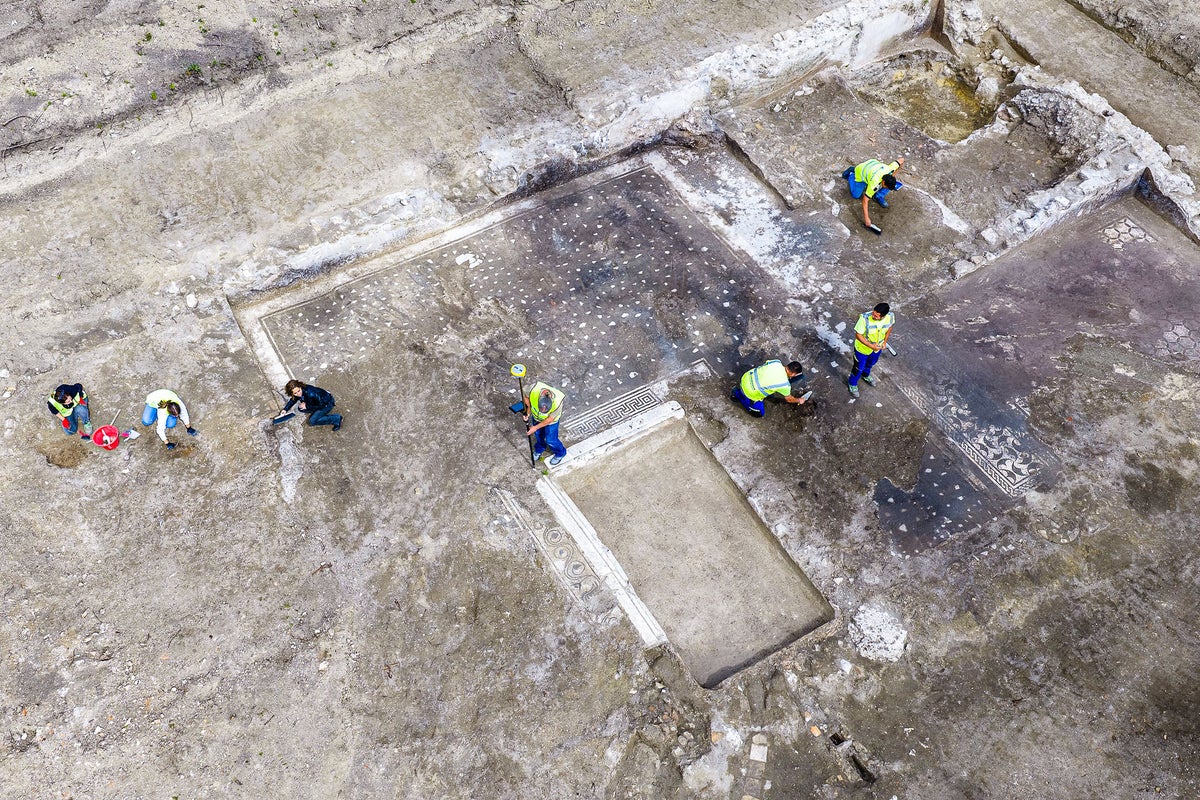
Archaeologists Uncover First-Century Villa Near Rome During Emergency Excavations
Emergency excavations at Castel di Guido revealed a large villa with preserved mosaics, painted walls, and a marble statue. The site lies 19 km west of Rome in the ancient region of Lorium.
 middleeasteye.net
world24 days ago
Greco-Roman Figures Found in Byzantine Wine Press in Northern Israel
Archaeologists uncovered two Greco-Roman figures inside a Byzantine-era wine press. The Israel Antiquities Authority and Eretz Israel Museum announced the discovery.
JE
science25 days ago
Israel Announces $122 Million Plan to Develop West Bank Heritage Sites
The Israeli government said it will spend NIS 250 million on heritage sites across the West Bank. The plan includes a land seizure order covering 1,800 dunams near the Sebastia archaeological site.
 scitechdaily.com
world25 days ago
DNA From 2,000-Year-Old Grape Seeds Shows Dominant White Variety at Tuscan Site
University of York researchers sequenced 80 ancient seeds from Cetamura del Chianti. The work shows a single white-berried grape variety persisted from Etruscan through Roman periods.
 citizen.co.za
science29 days ago
Israel Plans New Heritage Authority for West Bank Archaeological Sites
A proposed Heritage Authority would assume oversight of archaeological sites in the West Bank from the Civil Administration. The plan follows earlier government funding for site development and ongoing disputes over site management between Israeli and Palestinian authorities.
 discovermagazine.com
science29 days ago
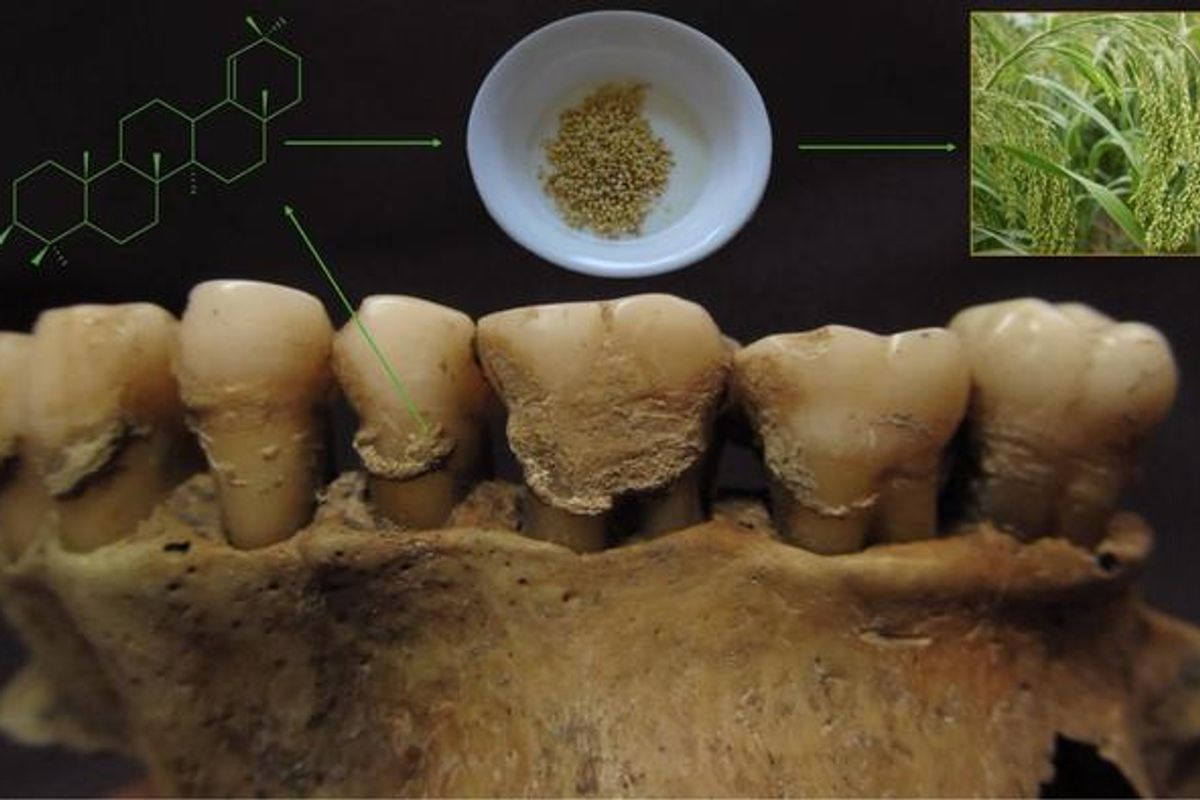
Dental Plaque Study Finds Insects in Ancient European Diets
A new analysis of dental plaque from ancient European remains detected insect fragments. Researchers concluded the insects were likely consumed by accident rather than as a deliberate food source.
SC
 The Independent
science29 days ago
Iron Age Skeletons Found in Scottish Cairn Show Signs of Postmortem Skull and Bone Modification
Archaeologists uncovered an adult female and juvenile male, likely maternal second cousins, in a low stone cairn in Sutherland. The adult female’s remains showed signs of postmortem modification.
 popularmechanics.com
world30 days ago
Archaeologists uncover 78 headless skeletons in Neolithic ditch in Slovakia
Researchers found 78 skeletons, all but one without heads, in a ditch near Vráble. The remains date to 5250–4950 B.C.E. and appear to reflect deliberate burial practices rather than violence.
popularmechanics.comworld30 days ago
Dozens of 7,000-Year-Old Headless Skeletons Found in Slovakian Ditch
Archaeologists uncovered 78 headless skeletons in a Neolithic ditch at Vráble, Slovakia. The remains date to approximately 7,000 years ago and appear to have been placed deliberately rather than resulting from violence.
 thehindu.com
world30 days ago
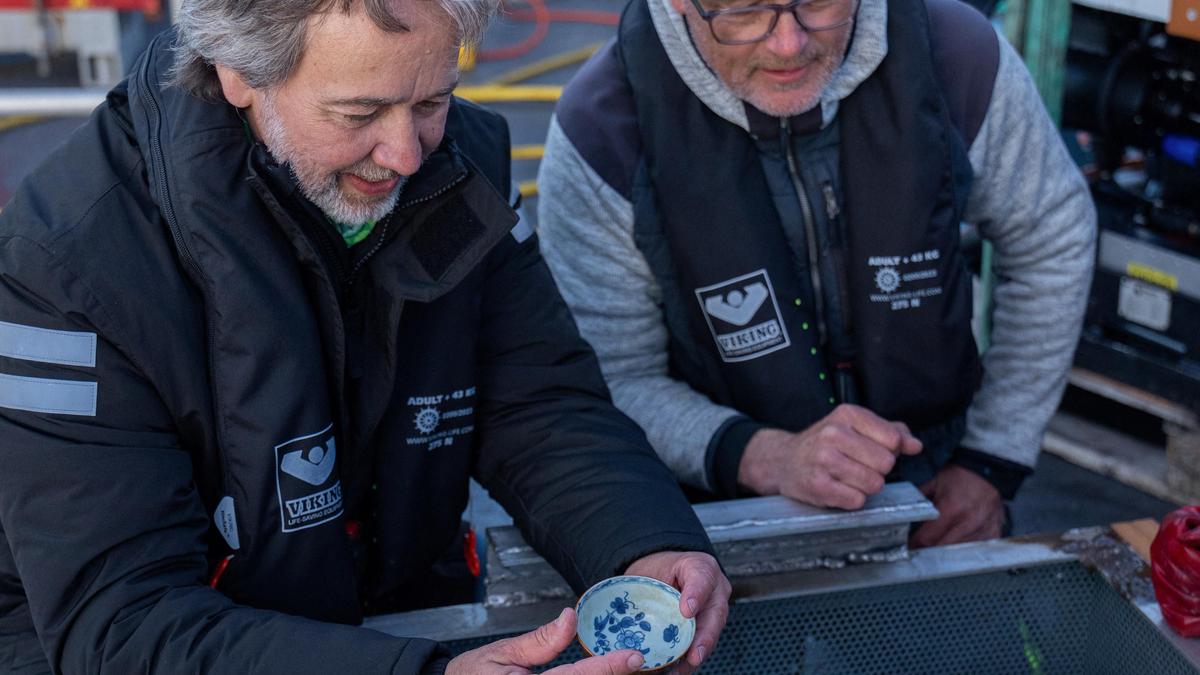
Norwegian Museum Recovers 18th-Century Chinese Porcelain and Artefacts from 600m-Deep Skagerrak Wreck
Government and museum officials announced Monday the recovery of Chinese porcelain and European goods from a mid-1700s vessel found 600 metres below the surface in the Skagerrak Strait.
 nypost.com
world31 days ago
Study Examines How Sparta Rose From and Transformed Older Lakedaimonian Culture
Historian Hans Beck’s research, published in The Annual of the British School at Athens, uses finds at Aghios Vasileios to argue that Sparta grew out of an existing Lakedaimonian landscape rather than forming solely through conquest.
 nypost.com
world34 days ago
Scientists Bake Sourdough Using Yeast From 5,300-Year-Old Mummy
Researchers isolated cold-adapted yeast from the digestive tract of a frozen mummy discovered in the Alps. They used the organism to produce a sourdough starter after several months of laboratory work.
nypost.comscience34 days ago
Scientists Bake Sourdough Bread Using Yeast From 5,000-Year-Old Mummy
Researchers extracted yeast strains from Ötzi the Iceman and used them to produce a sourdough loaf. The team now plans to explore whether the same strains can be used to brew beer.
 al-monitor.com
world34 days ago
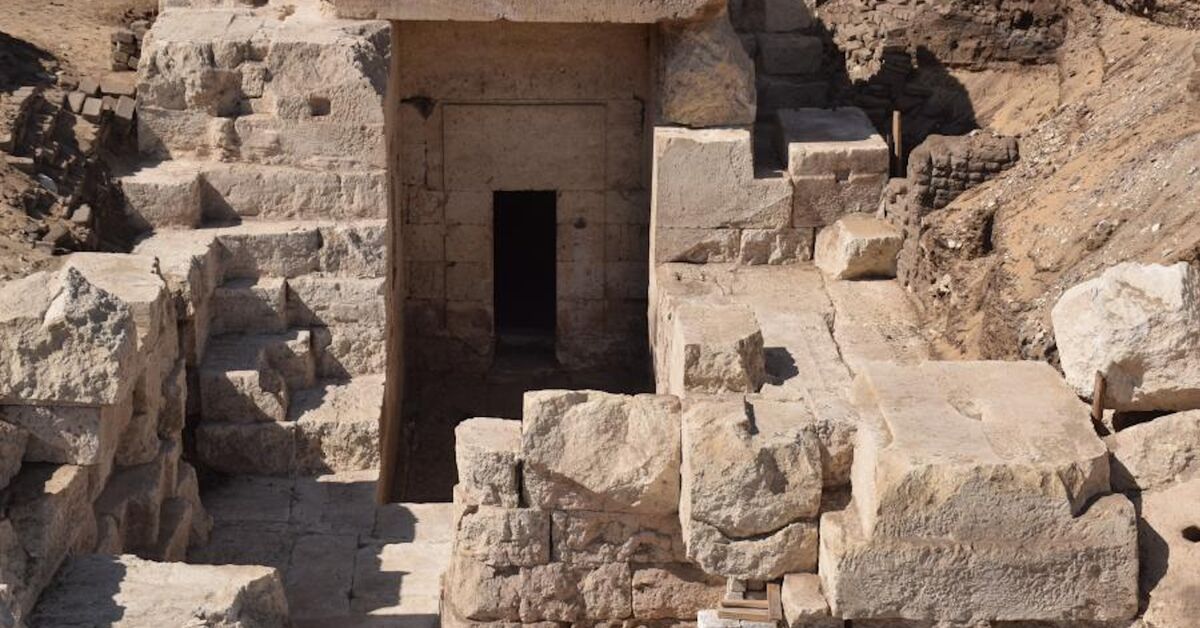
Archaeologists in Egypt uncover artifacts spanning Egyptian, Greek, and Roman eras
A team of archaeologists working in Egypt has found a collection of ancient objects that includes items from multiple historical periods along with a marble head of Aphrodite and a Roman basilica. The discovery also includes a near-complete funerary set.
JE
 Al Jazeera
science35 days ago
Genomic Study Reveals Both Matrilocal and Patrilocal Patterns at Neolithic Catalhoyuk
A new analysis of 131 genomes from the Neolithic site shows female offspring stayed connected to buildings 70 to 100 percent of the time, while young females received up to five times as many grave goods as boys.
 The Independent
science35 days ago
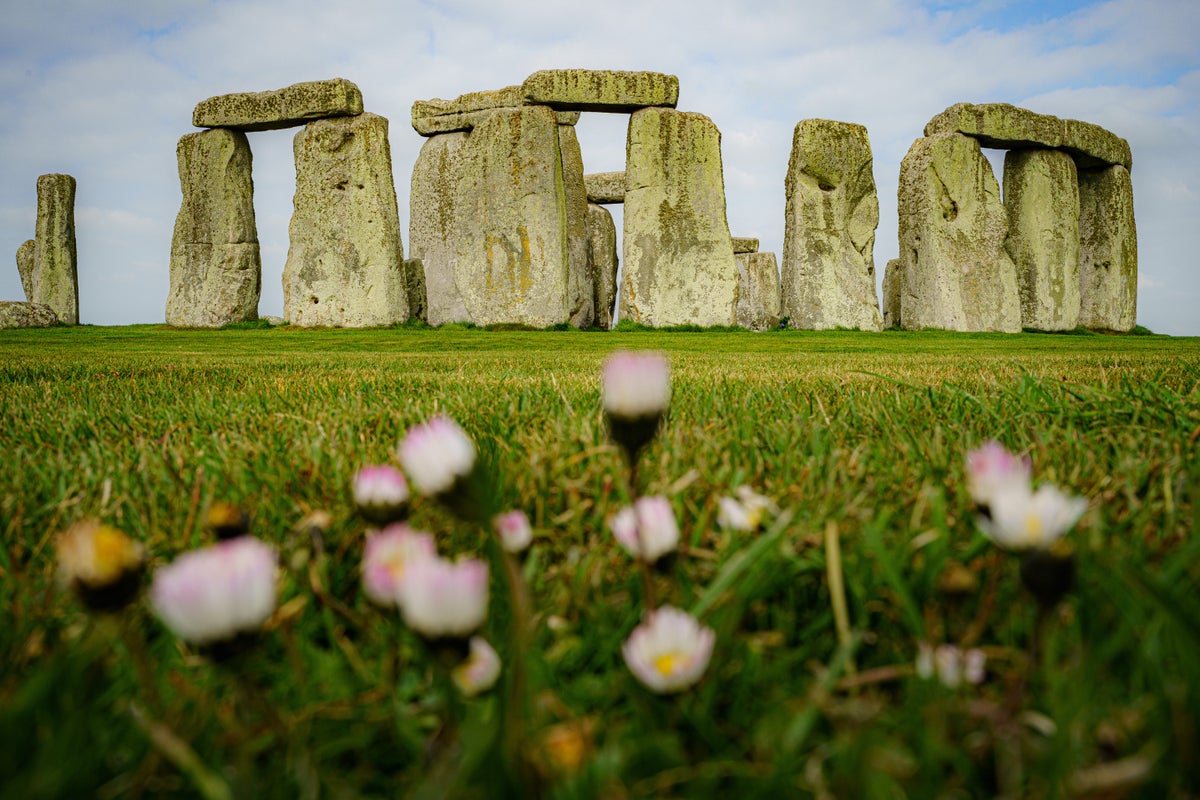
Study Proposes Glacier Moved Altar Stone to Doggerland Before Human Transport
A new study suggests the six-tonne altar stone at Stonehenge originated in north-east Scotland and reached Doggerland by glacier before prehistoric people moved it south. Researchers say rising sea levels may have prompted the final relocation to Salisbury Plain.
 Japan Times
world36 days ago
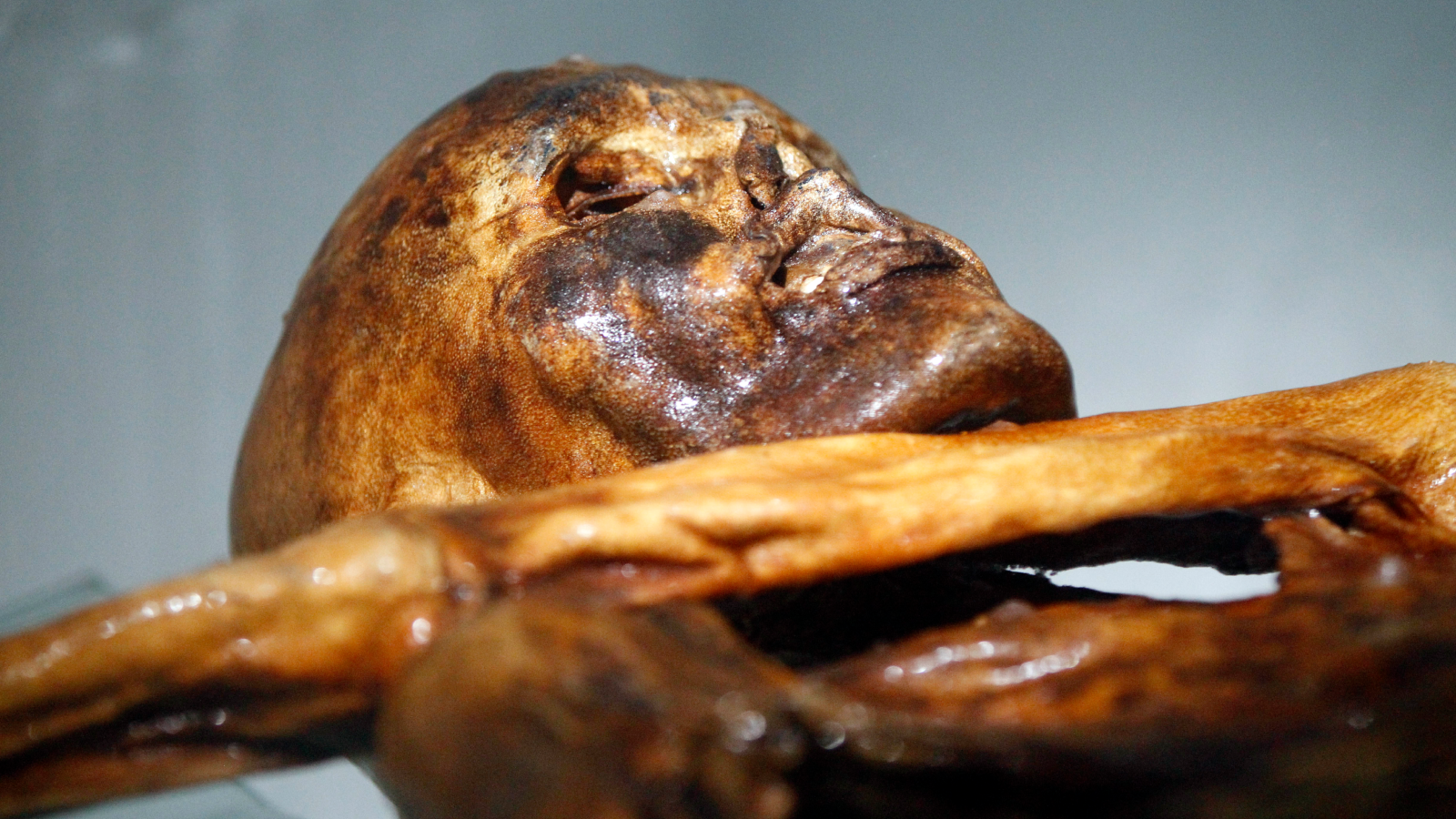
5,300-year-old yeast revived from Oetzi the Iceman used to bake sourdough
Researchers isolated cold-adapted yeast from the frozen mummy's intestines, skin and meltwater. They cultured the organisms and produced a working sourdough starter after three months of trials.
 app.buzzsumo.com
world36 days ago
Scientists Revive 5,300-Year-Old Yeast from Iceman Mummy to Bake Sourdough
Researchers isolated living yeast from the preserved intestines of Oetzi the Iceman. They used the ancient strain to produce a modern sourdough loaf.
AF
 New Scientist
science36 days ago
Study Identifies Viable Ancient Yeasts in Ötzi the Iceman and Warns of Decomposition Risk
Researchers cultured four living yeast species from Ötzi’s body and identified ancient DNA from microbes present at his death. The findings, published June 3, indicate ongoing microbial activity in the preserved remains.