Trump Says Iran Agreed Not to Develop Nuclear Weapon
President Trump stated that the United States and Iran have held very good talks in recent days and that Iran has agreed it will not have a nuclear weapon. The comments follow months of indirect negotiations that one account described as resembling the structure of the 2015 Iran nuclear agreement with some additions.
 National Review
The statement comes after 15 months of indirect negotiations in which one outlet reported that Iranian officials have grown skeptical of certain intermediaries. Those talks have twice been cited in advance of strikes on Iran, according to the same account, which compared the emerging framework to the 2015 agreement reached during the Obama administration with additional elements allowing the current administration to present gains to its supporters.
Trump's remarks were issued shortly after reports that negotiations remain active. One account noted that Iranian representatives have repeatedly heard predictions that Tehran is on the verge of surrendering its nuclear materials, a pattern the account described as recurring.
In response, French President Emmanuel Macron called for the European Union to ready its unused anti-coercion instrument, known internally as the “bazooka,” which could impose levies on U.S. goods and bar American companies from public procurement contracts.
The EU is conducting a final push to resolve the trade differences while simultaneously managing an influx of low-cost Chinese goods. Officials in Brussels have begun shifting toward greater autonomy in defense and technology policy, distancing themselves from Washington on multiple fronts.
A policy analyst at a Washington think tank observed that Europe is now managing two simultaneous challenges: its dispute with the United States and competition from Chinese exports.
The current U.S.-Iran talks have been conducted indirectly for more than a year. One report characterized Iranian distrust of certain Israeli and American-linked voices as near-total, noting that only a narrow set of Western outlets continue to cite those channels.
Those changes would allow the current administration to claim additional concessions while preserving core elements of the earlier deal.
“We've had very good talks over last few days. One conservative outlet wrote that Trump is approaching a form of victory on the issue but has not yet reached it.”
The tariff threat against European automakers was issued days before Trump's Iran comments. European officials view the move as a breach of an earlier understanding and have signaled readiness to retaliate if talks collapse. Macron’s reference to the “bazooka” marked the first time a major EU leader has publicly urged activation of the anti-coercion tool, which has remained unused since its creation.
The instrument permits targeted duties on U.S. products and exclusion of American firms from government contracts across the bloc. Negotiators on both sides of the Atlantic continue to meet while the parallel Iran talks proceed on a separate track.
Key Facts
Story Timeline
4 events- May 6, 2026
President Trump stated that recent talks with Iran were very good and that Iran agreed it will not have a nuclear weapon.
2 sourcesInvesting.com · @ggreenwald - Last week
Trump threatened higher tariffs on European vehicles, accusing the EU of reneging on a deal.
2 sourcesSemafor · National Review - May 6, 2026
Macron urged the EU to prepare its anti-coercion instrument in response to the U.S. tariff threat.
1 sourceSemafor - Past 15 months
Indirect U.S.-Iran negotiations have continued, resembling the 2015 nuclear deal with added features.
2 sources@ggreenwald · National Review
Potential Impact
- 01
U.S. and Iranian negotiators continue indirect talks on a nuclear framework.
- 02
EU simultaneously manages trade friction with both Washington and Beijing.
- 03
European automakers face heightened uncertainty over potential higher U.S. tariffs.
- 04
Brussels accelerates efforts to reduce reliance on U.S. defense and technology ties.
- 05
EU may impose retaliatory tariffs on select U.S. goods if trade talks fail.
Transparency Panel
Related Stories
 BBC News
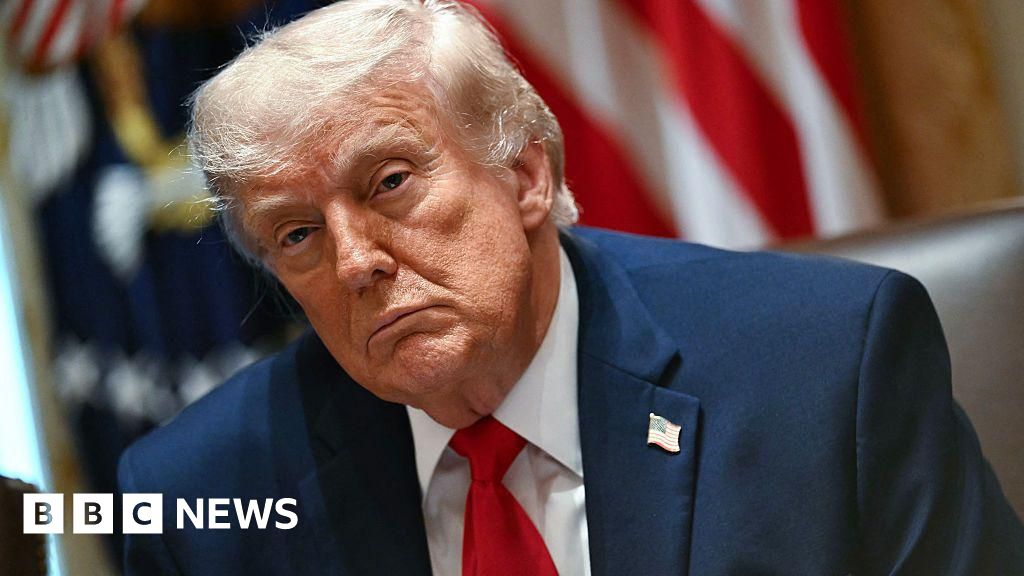
Trump Meets Advisers to Decide on Iran Ceasefire Extension
President Trump said he is holding a Situation Room meeting to make a final decision on a possible deal with Iran. The proposed agreement would extend the ceasefire by 60 days and reopen the Strait of Hormuz.
 middleeasteye.net
Trump to Decide on Iran Deal in Situation Room Meeting
President Trump said Friday he is heading into the Situation Room to make a final determination on a potential agreement with Iran. The proposed deal would reopen the Strait of Hormuz without tolls and require destruction of Iran's highly-enriched uranium.
 realitytea.com
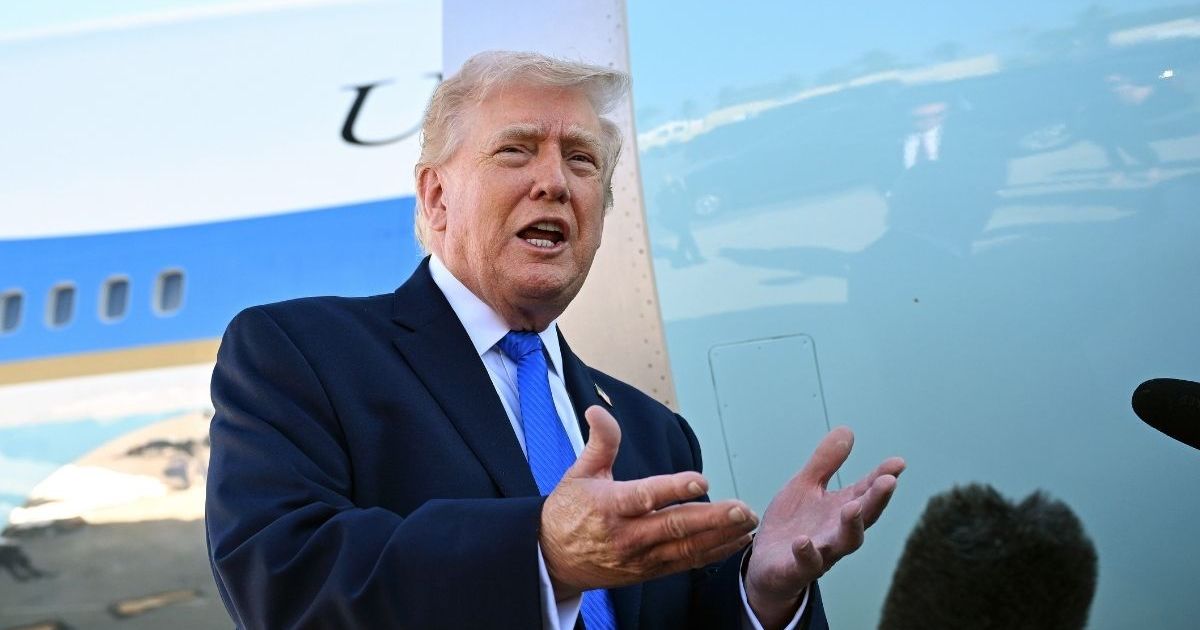
Trump Says U.S. Will Lift Iran Naval Blockade After Nuclear and Hormuz Pledges
President Trump stated the U.S. will end its naval blockade of Iran once Tehran commits to forgoing nuclear weapons and opens the Strait of Hormuz to unrestricted shipping. The announcement came via Truth Social and a live statement.