Two Men Charged With Interstate Kidnapping After Transporting Victim Across State Lines for Ransom
Nathaniel Hebert, 39, of Manchester, New Hampshire, and Joshua W. Hernandez, 37, of Nashua, New Hampshire, each face one count of conspiracy to commit interstate kidnapping and one count of interstate kidnapping in U.S. District Court for the District of New Hampshire. The charges trigger mandatory minimum sentences of 20 years if convicted and require federal authorities to pursue related asset forfeitures while state and local agencies coordinate on victim recovery protocols.
 news24.com
Two New Hampshire men were charged May 12, 2026, in federal court with conspiring to kidnap a woman, transport her across state lines, and hold her for ransom.
Nathaniel Hebert, 39, of Manchester, and Joshua W. Hernandez, 37, of Nashua, each face one count of conspiracy to commit interstate kidnapping and one count of interstate kidnapping, according to a U.S. Department of Justice press release from the U.S. Attorney’s Office for the District of New Hampshire.
The indictment alleges the pair transported the victim from New Hampshire into Massachusetts, held her against her will, and demanded ransom from her family.
The charges affect the victim and her immediate family directly and invoke federal jurisdiction over an estimated several hundred interstate kidnapping cases prosecuted annually by the Justice Department. Conviction on either count carries a mandatory minimum sentence of 20 years in prison and a potential life term.
The case shifts the matter from initial local law enforcement response to full federal prosecution. Arraignment and pretrial proceedings will now occur in U.S. District Court for the District of New Hampshire on a schedule set by the assigned judge.
Federal agents must execute any outstanding arrest warrants, secure evidence collected across state lines, and initiate forfeiture actions against assets tied to the alleged ransom demands.
Downstream, the U.S. Attorney’s Office must disclose discovery materials to defense counsel within deadlines set by federal rules. The Bureau of Prisons will house the defendants pretrial if detained. If convicted, the sentences will run under U.S. Sentencing Guidelines calculations that factor the victim’s harm, use of force, and any ransom amount demanded.
The case also obligates the FBI and local police departments to maintain joint records for potential future habeas or civil litigation by the victim.
This prosecution follows standard application of 18 U.S.C. § 1201, the federal kidnapping statute first enacted in 1932 after the Lindbergh baby abduction and amended to cover ransom demands and interstate transport. The Department of Justice has used the statute in similar cases involving intrafamily disputes or financial extortion that cross state borders.
Primary sources: U.S. Department of Justice
Coverage spread
Substrate’s article above is written from the primary record. Below: how mainstream outlets reported the same event.
No mainstream coverage of this story has surfaced yet.
Transparency Panel
Related Stories
 BBC News
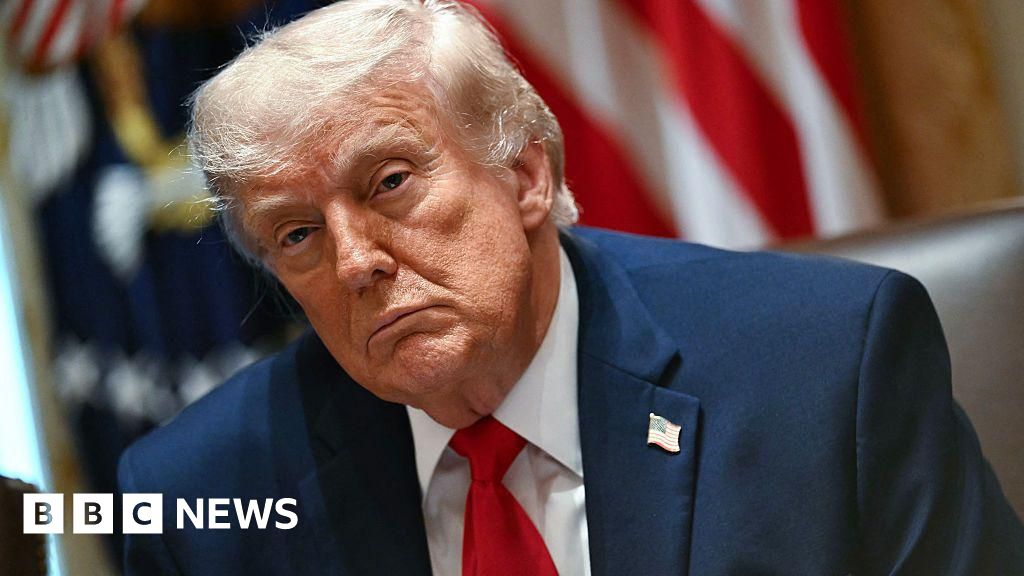
Trump Meets Advisers to Decide on Iran Ceasefire Extension
President Trump said he is holding a Situation Room meeting to make a final decision on a possible deal with Iran. The proposed agreement would extend the ceasefire by 60 days and reopen the Strait of Hormuz.
 middleeasteye.net
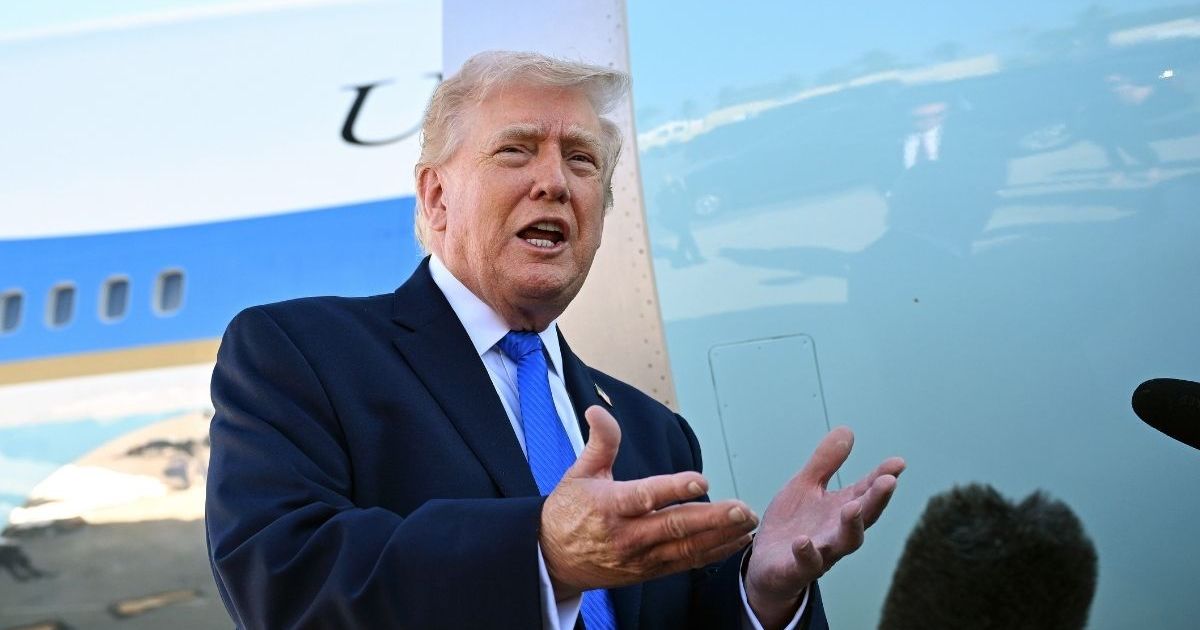
Trump to Decide on Iran Deal in Situation Room Meeting
President Trump said Friday he is heading into the Situation Room to make a final determination on a potential agreement with Iran. The proposed deal would reopen the Strait of Hormuz without tolls and require destruction of Iran's highly-enriched uranium.
 realitytea.com
Trump Says U.S. Will Lift Iran Naval Blockade After Nuclear and Hormuz Pledges
President Trump stated the U.S. will end its naval blockade of Iran once Tehran commits to forgoing nuclear weapons and opens the Strait of Hormuz to unrestricted shipping. The announcement came via Truth Social and a live statement.