U.S. Issues Executive Order on Sanctions for Cuban Repression and National Security Threats
U.S. President Joe Biden signed an executive order imposing sanctions on individuals and entities involved in repression in Cuba and threats to U.S. national security. The measures block property, restrict visas, and expand existing sanctions regimes. The order took effect immediately on May 1, 2026.
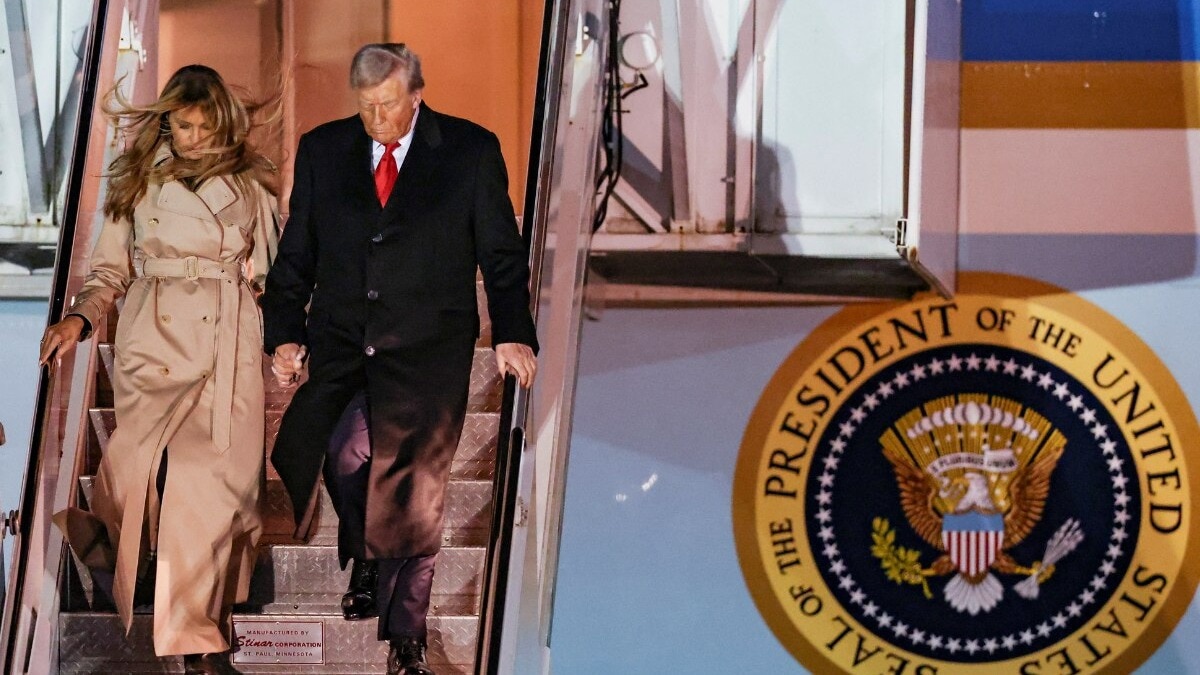
 Trump White House Archived from Washington, DC / Wikimedia (Public domain)
U.S. President Joe Biden signed an executive order on May 1, 2026, imposing sanctions on persons responsible for repression in Cuba and those posing threats to U.S. national security and foreign policy, according to a White House release. The order targets individuals and entities engaged in actions that undermine democratic processes in Cuba or contribute to human rights abuses, as well as those involved in activities threatening U.S. interests.
It applies to foreign persons determined by the Secretary of the Treasury, in consultation with the Secretary of State, to have engaged in such conduct.
The sanctions block all property and interests in property of designated persons within U.S. jurisdiction and prohibit U.S. persons from transactions with them. The order also authorizes denial of visas and entry into the United States for those targeted.
These measures could affect dozens of Cuban officials and associated entities, based on prior similar actions under related authorities. The sanctions take effect immediately, with the Treasury Department required to implement blocking actions and publish designations in the Federal Register.
The order activates Treasury Department processes to identify and list sanctioned parties, requiring financial institutions to freeze assets within 10 business days of designation notices. It also triggers State Department visa restrictions, compelling affected individuals to forfeit U.S. entry privileges starting from the date of designation.
Agencies must report to Congress within 180 days on the effectiveness of these measures, in accordance with the International Emergency Economic Powers Act.
This action builds on existing U.S. sanctions regimes against Cuba under laws such as the Cuban Liberty and Democratic Solidarity Act. It expands designations specifically for repression and security threats. The order follows measures taken in July 2021 after protests in Cuba, which included sanctions on Cuban security forces.
The U.S. has imposed similar sanctions on over 100 Cuban entities since 2017, according to Treasury Department records. The stakes involve U.S. efforts to address human rights issues in Cuba and protect national security interests. Affected parties include Cuban officials and entities, potentially impacting their financial dealings and travel to the U.S. Next steps include Treasury designations and the congressional report, which could influence future policy adjustments.
Coverage spread
Substrate’s article above is written from the primary record. Below: how mainstream outlets reported the same event.
No mainstream coverage of this story has surfaced yet.
Key Facts
Story Timeline
5 events- May 1, 2026
President Joe Biden signed an executive order imposing sanctions on repression in Cuba and U.S. security threats.
1 sourceSubstrate Exclusive - Immediately upon issuance
The new sanctions took effect, blocking property and restricting visas for designated persons.
1 sourceSubstrate Exclusive - Within 10 business days of designations
Financial institutions must freeze assets of sanctioned parties after Treasury notices.
1 sourceSubstrate Exclusive - Within 180 days
Agencies must report to Congress on the effectiveness of the sanctions.
1 sourceSubstrate Exclusive - July 2021
U.S. imposed sanctions on Cuban security forces following protests in Cuba.
1 sourceSubstrate Exclusive
Potential Impact
- 01
Dozens of Cuban officials may face asset freezes and U.S. entry denials.
- 02
Financial institutions will implement blocking actions within 10 business days of designations.
- 03
The measures may expand existing U.S. sanctions on Cuban entities.
- 04
Agencies will submit a report to Congress assessing sanction effectiveness in 180 days.
- 05
U.S.-Cuba relations could see further strain due to targeted human rights actions.
Transparency Panel
Related Stories
 France 24
Russian Strikes Kill at Least 28 in Ukraine Ahead of Announced Ceasefire
Ukraine announced a unilateral 24-hour ceasefire due to begin at midnight on Wednesday after Russia requested a pause for its Saturday military parade. Russian forces struck multiple cities overnight with 108 drones and three missiles, killing at least 28 civilians on Tuesday in…
 indiatoday.intoday.in
Palm Beach County Commissioners Approve Renaming Airport After President Trump
Palm Beach County approved a licensing agreement yesterday with the Trump family business to enable the renaming of Palm Beach International Airport after President Trump. The agreement bars profits from on-site branded merchandise while granting the family control over biographi…
 The War Zone
UAE Reports Iranian Missile Attacks as US Ceasefire Holds
The United Arab Emirates said its air defenses intercepted Iranian missiles and drones on May 5. U.S. officials reported more than 10 Iranian attacks on American forces since an April 7 ceasefire, along with strikes on commercial vessels in the Strait of Hormuz. President Trump p…