U.S. Plans Border Wall Construction in Texas Big Bend Region
Construction of a steel border wall in the Big Bend area of far West Texas is proceeding after survey crews and bulldozers appeared in the region. The project, estimated to cost more than two billion dollars, would cross private land, state park areas and affect wildlife corridors along the Rio Grande.
 The New Yorker
Last fall, loops of razor-wire fencing were installed along the Rio Grande in the Big Bend area of far West Texas. In January, residents began hearing rumors that a steel barrier would follow. Survey crews arrived and bulldozers were seen along local roads.
The Army Corps of Engineers held private meetings with some residents. One local RV park owner said he was offered more than half a million dollars to host construction workers but declined the offer. The proposed wall would cost more than two billion dollars.
It would cross land used by alfalfa farmers, cattle ranchers and river guides. The project would also affect views along a route National Geographic has described as one of the country's most scenic drives and alter some of the darkest night skies in the continental United States.
The wall would impede movement of wild animals and prevent livestock from reaching the Rio Grande for water. It could disturb archaeological evidence linked to the Puebloan world, according to an archaeologist working in the area. In flood-prone sections, the barrier could worsen flooding and sever connections between binational communities that have long operated interdependently.
Big Bend is the Border Patrol's largest sector by area along the southwest border, covering more than 500 miles of the Rio Grande. It has recorded the lowest number of illegal crossings. Apprehensions have fallen further since 2023, averaging fewer than 200 per month this year.
The project faces opposition from environmental groups, local sheriffs and the region's Republican nominee for Congress, a pro-gun YouTuber. A historic house built by his father lies in the path of the proposed wall. "You've got desert and high mountains and rugged, rough country and no water and no roads," Ivey said.
"The easiest part of getting to the United States would be scaling the wall. " River guide Billy Miller, who owns land near the Rio Grande, said the wall would endanger boaters during flash floods and accelerate the departure of local tourism businesses already strained by low water levels.
Miller and other landowners have relied on a Department of Homeland Security map that has changed colors and been temporarily removed from the agency's website in recent weeks, creating uncertainty about which properties would be affected. The current map shows "technology & patrol roads" and "vehicle barrier systems" inside the national park, with a steel wall planned for other parts of the region including sections of Big Bend Ranch State Park.
The construction strikes many locals as both unreasonable and unstoppable despite the area's low crossing numbers and difficult terrain.
Key Facts
Story Timeline
5 events- Fall 2025
Razor-wire fencing installed along Rio Grande in Big Bend area.
1 sourceThe New Yorker - January 2026
Residents heard rumors of impending steel border wall construction.
1 sourceThe New Yorker - February 2026
Big Bend Sentinel reported construction was imminent and eminent domain letters sent.
1 sourceThe New Yorker - Mid-April 2026
Reporter visited Terlingua and Redford to interview affected landowners.
1 sourceThe New Yorker - Mid-May 2026
CBP head stated no wall would be built inside Big Bend National Park.
1 sourceThe New Yorker
Potential Impact
- 01
Wildlife movement across the Rio Grande corridor would be restricted by the barrier.
- 02
Private landowners in Big Bend may lose property through eminent domain proceedings.
- 03
Local ranchers may lose livestock access to the Rio Grande for water.
- 04
Tourism-dependent businesses in the region could see reduced visitor numbers.
- 05
Flood risk in low-lying areas near the wall could increase during heavy rains.
Transparency Panel
Related Stories
 BBC News
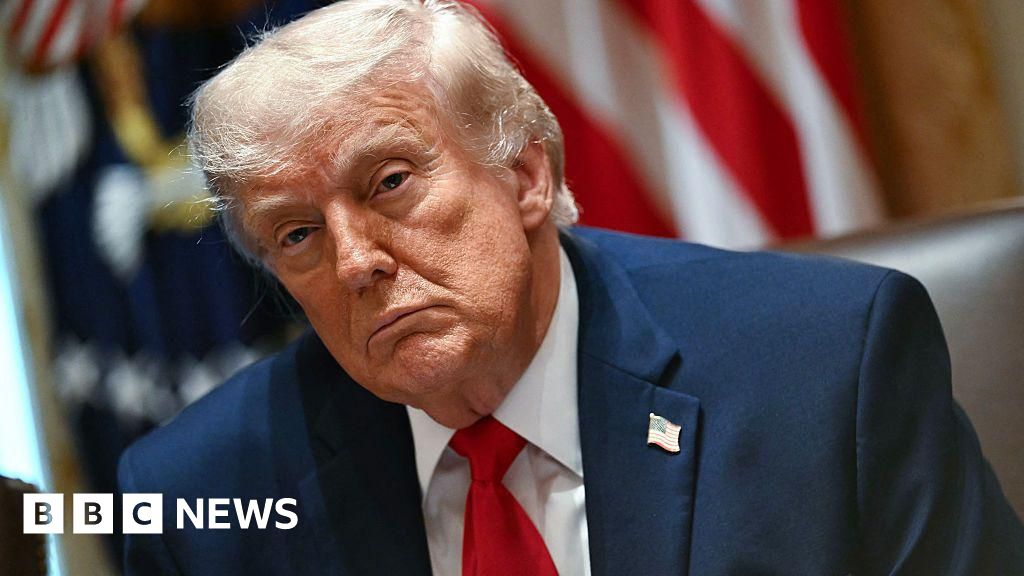
Trump Meets Advisers to Decide on Iran Ceasefire Extension
President Trump said he is holding a Situation Room meeting to make a final decision on a possible deal with Iran. The proposed agreement would extend the ceasefire by 60 days and reopen the Strait of Hormuz.
 middleeasteye.net
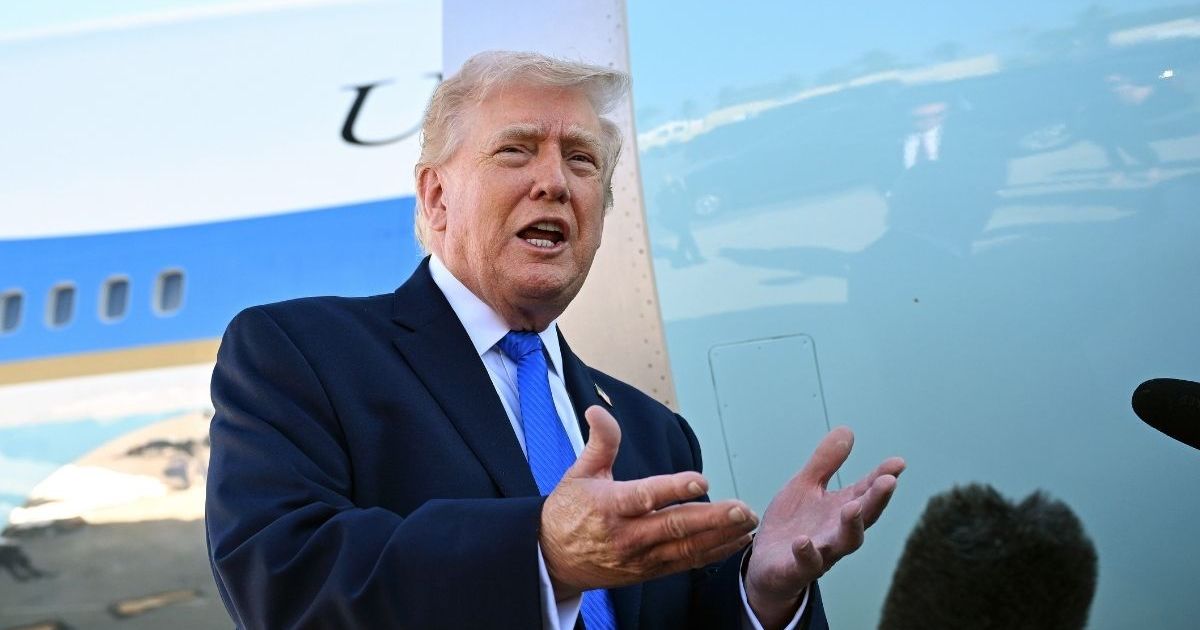
Trump to Decide on Iran Deal in Situation Room Meeting
President Trump said Friday he is heading into the Situation Room to make a final determination on a potential agreement with Iran. The proposed deal would reopen the Strait of Hormuz without tolls and require destruction of Iran's highly-enriched uranium.
 realitytea.com
Trump Says U.S. Will Lift Iran Naval Blockade After Nuclear and Hormuz Pledges
President Trump stated the U.S. will end its naval blockade of Iran once Tehran commits to forgoing nuclear weapons and opens the Strait of Hormuz to unrestricted shipping. The announcement came via Truth Social and a live statement.