U.S. President Signs Executive Order on Federal Procurement Reforms
The U.S. president signed an executive order on April 30, 2026, directing federal agencies to improve efficiency and accountability in government contracting. The order addresses issues in procurement practices and requires agencies to implement new measures. It affects contracts worth over $600 billion annually and involves multiple sectors.
 Substrate placeholder — needs review
The U.S. president signed an executive order on April 30, 2026, from the White House, mandating reforms to federal contracting practices. The directive is issued under authority from the Constitution and U.S. laws. It aims to enhance efficiency, accountability, and performance in government procurement.
The order applies to all federal agencies involved in procurement, which manages contracts exceeding $600 billion each year, according to Office of Management and Budget data on federal spending. It impacts contractors and suppliers in defense, infrastructure, and services sectors.
This affects thousands of businesses and millions of workers connected to government contracts.
The executive order identifies prior issues in federal procurement, including unpredictable costs and performance incentives. Agencies must now revise contracting guidelines to include stronger performance metrics. This will trigger reviews of existing contracts for cost efficiencies.
The order requires agencies to implement measures promoting integrity, efficiency, and transparency, effective immediately upon publication. Agencies are directed to develop implementation plans within 180 days. The Office of Federal Procurement Policy will oversee compliance and set deadlines for annual reports on achieved savings.
The directive activates interagency coordination, requiring input from the Department of Defense and General Services Administration on updated standards. The order builds on previous executive actions, such as the 2021 order on project labor agreements in federal construction.
Congress has considered related legislation, including the Federal Acquisition Security Act introduced in 2025. That act aims to strengthen supply chain oversight in government contracts.
Coverage spread
Substrate’s article above is written from the primary record. Below: how mainstream outlets reported the same event.
No mainstream coverage of this story has surfaced yet.
Key Facts
Story Timeline
4 events- April 30, 2026
The president signed an executive order mandating reforms to federal contracting practices.
1 sourceSubstrate Exclusive - Within 180 days
Agencies must develop implementation plans for the new procurement measures.
1 sourceSubstrate Exclusive - 2025
Congress introduced the Federal Acquisition Security Act to strengthen supply chain oversight.
1 sourceSubstrate Exclusive - 2021
A prior executive order was issued on project labor agreements in federal construction.
1 sourceSubstrate Exclusive
Potential Impact
- 01
Federal agencies may revise thousands of contracts, leading to cost savings in procurement.
- 02
Businesses in defense and infrastructure could face new performance metrics in government deals.
- 03
Annual reports may quantify savings, influencing future federal spending decisions.
- 04
Interagency coordination could update standards for supply chain oversight.
Transparency Panel
Related Stories
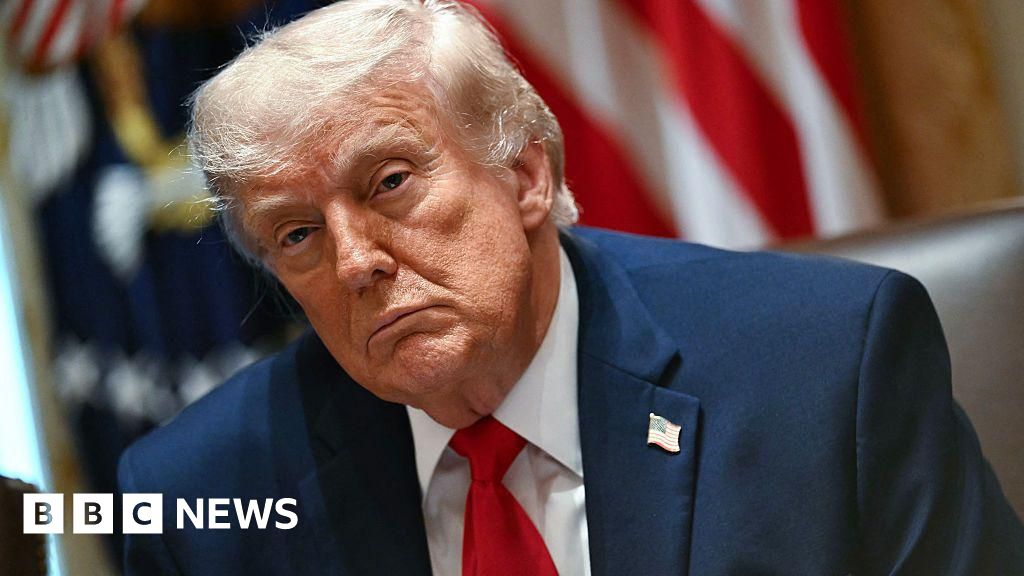 BBC News
Trump Meets Advisers to Decide on Iran Ceasefire Extension
President Trump said he is holding a Situation Room meeting to make a final decision on a possible deal with Iran. The proposed agreement would extend the ceasefire by 60 days and reopen the Strait of Hormuz.
 middleeasteye.net
Trump to Decide on Iran Deal in Situation Room Meeting
President Trump said Friday he is heading into the Situation Room to make a final determination on a potential agreement with Iran. The proposed deal would reopen the Strait of Hormuz without tolls and require destruction of Iran's highly-enriched uranium.
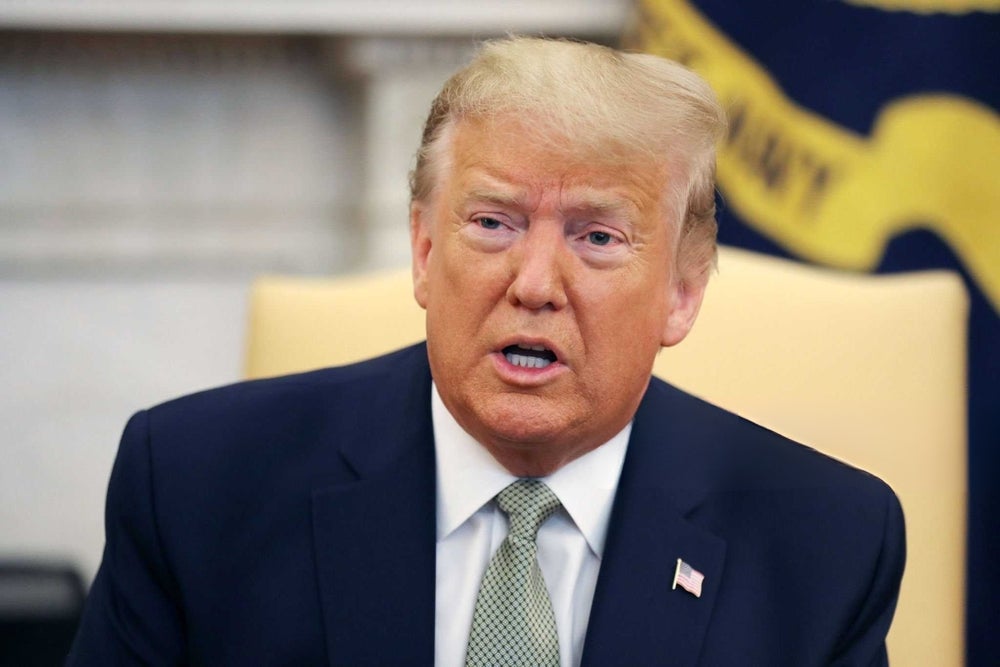 benzinga.com
Vietnam Clears Graves for Trump Organization Project in Hung Yen Province
Farmers in Hung Yen province are exhuming family graves to make way for a $1.5 billion Trump Organization development that includes hotels, villas and a golf course. The project, approved last year, has drawn local resistance over compensation levels and relocation of remains.