U.S. Proposes 10% Tariffs on Imports From 60 Countries Citing Weak Forced-Labor Rules
The Office of the U.S. Trade Representative released a report on June 2 proposing new tariffs tied to forced-labor enforcement. The plan covers countries that account for 99.4% of U.S. imports.
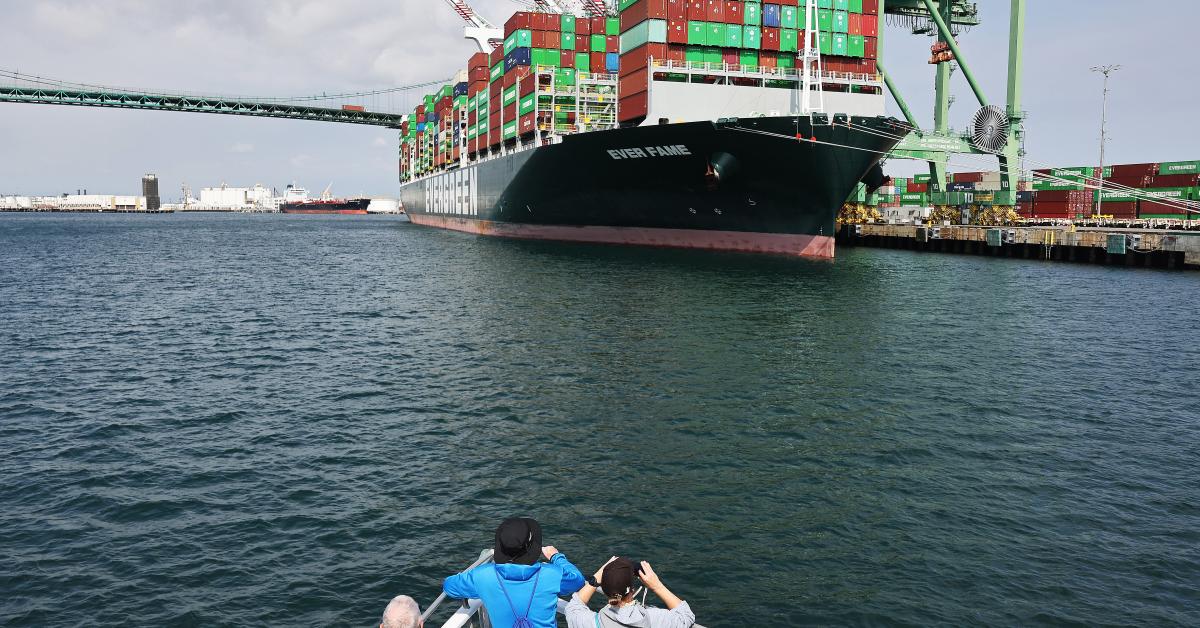 Just the News
U.S. Trade Representative proposed a new baseline tariff of 10% on at least 60 countries that it says have failed to prohibit imports of goods produced with forced labor. The agency released the report on Tuesday, June 2, 2026.
4% of all goods imported into the United States. The proposal follows two Section 301 investigations opened in March 2026, one on excess manufacturing capacity and one on forced-labor enforcement. S.
Government found that the 60 economies have not imposed and effectively enforced a ban on imports made with forced labor. That finding permits tariffs under Section 301(b) of the Trade Act of 1974. Countries that already prohibit such imports and have signed enforcement agreements or shown effort would face the 10% rate.
The European Union and the United Kingdom fall into this group. -Mexico-Canada Agreement would be exempt. 5% rate because they do not prohibit imports produced with forced labor.
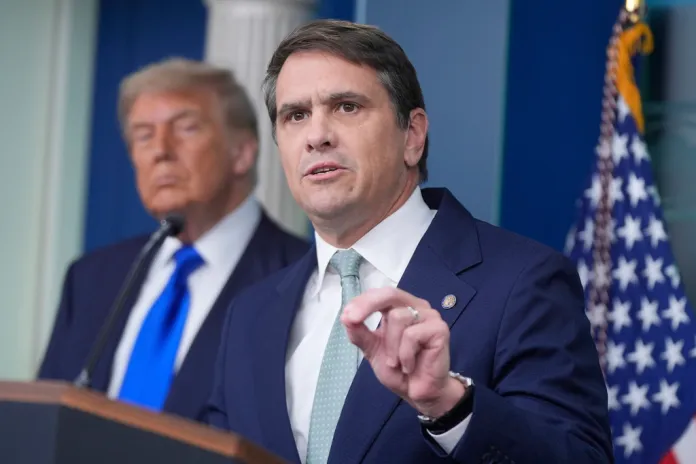
U.S. Trade Representative Jamieson Greer said the failure of major trading partners to address the issue creates an unlevel playing field for American workers. Greer added that some partners have taken initial steps through the USMCA and reciprocal trade agreements, but each must do more to prevent trade from encouraging forced labor.
Those duties began at a 10% baseline and rose for dozens of countries, justified at the time by large trade deficits. Tariff rates changed repeatedly after the April 2025 announcement. Days later, escalation with China raised duties on Chinese goods to 125% for roughly one month.
The administration initially relied on Section 1702(a)(1)(B) of the International Emergency Economic Powers Act. In February 2026 the Supreme Court ruled 6-3 in Learning Resources, Inc. v. Trump that IEEPA does not authorize tariffs.
Chief Justice John Roberts wrote for the majority. On the same day, President Trump signed an executive order imposing a 10% global tariff under Section 122 of the Trade Act of 1974. Section 122 permits tariffs of up to 15% for 150 days during a balance-of-payments crisis.
Those duties are scheduled to expire on July 24, 2026, unless extended by Congress. The Chinese Foreign Ministry denied the existence of forced labor in China. A spokeswoman said on June 3 that “so-called forced labor does not exist in China” and opposed using the issue as a pretext for political manipulation.
The European Union Commission also criticized the planned tariffs. S. administration, but considers tariffs imposed on these grounds unjustified.
Transparency
Story details
Related Stories
 Washington Examiner
Trump Nominates Acting Attorney General Todd Blanche for Permanent Position
President Trump announced the nomination during a White House dinner on Wednesday. Blanche has served as acting attorney general since Pam Bondi resigned in April.
 ABC News
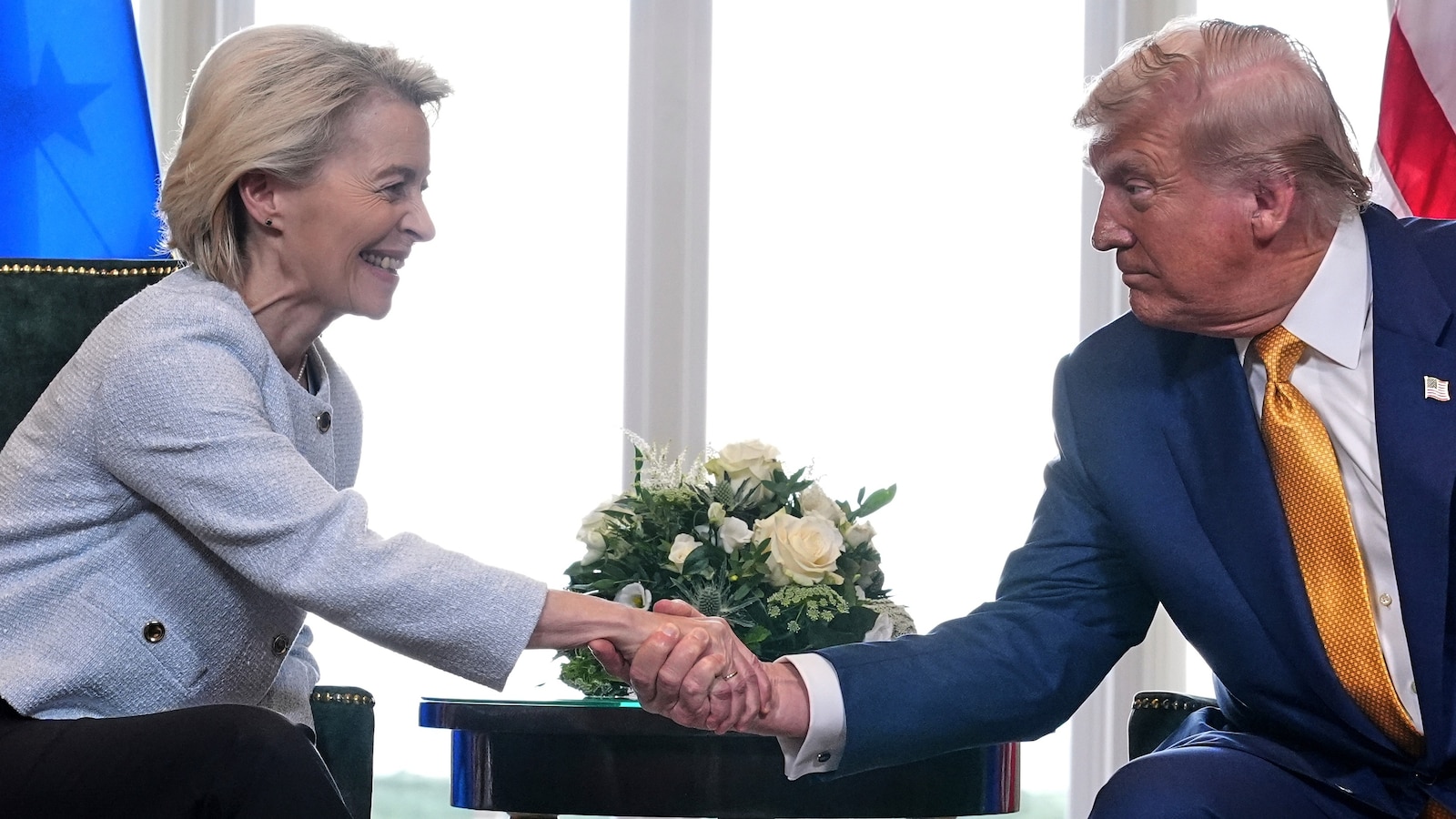
U.S. Proposes 10-12.5% Tariffs on Imports From 60 Trading Partners After Supreme Court Struck Down Prior Levies
The Trump administration released a plan late Tuesday to impose new duties after an investigation into forced-labor goods. Sixteen economies would face 10% tariffs and 44 others would face 12.5% tariffs.
 Fox News
House Passes 215-208 Symbolic War Powers Resolution on Iran That Faces Senate Hurdles and Expected Veto
The House of Representatives voted 215-208 on Wednesday to require congressional approval before U.S. troops can remain engaged in operations against Iran. The measure now heads to the Senate, where a similar resolution advanced in May.