UK Supreme Court Limits Direct Effect of Article 2 of the Windsor Framework
The UK Supreme Court issued a ruling in May 2026 that places stricter limits on when Article 2 of the Windsor Framework can be used to challenge UK laws in Northern Ireland courts. The decision follows earlier rulings that had given the provision direct effect. Legal experts offered contrasting views on how far the judgment reaches.
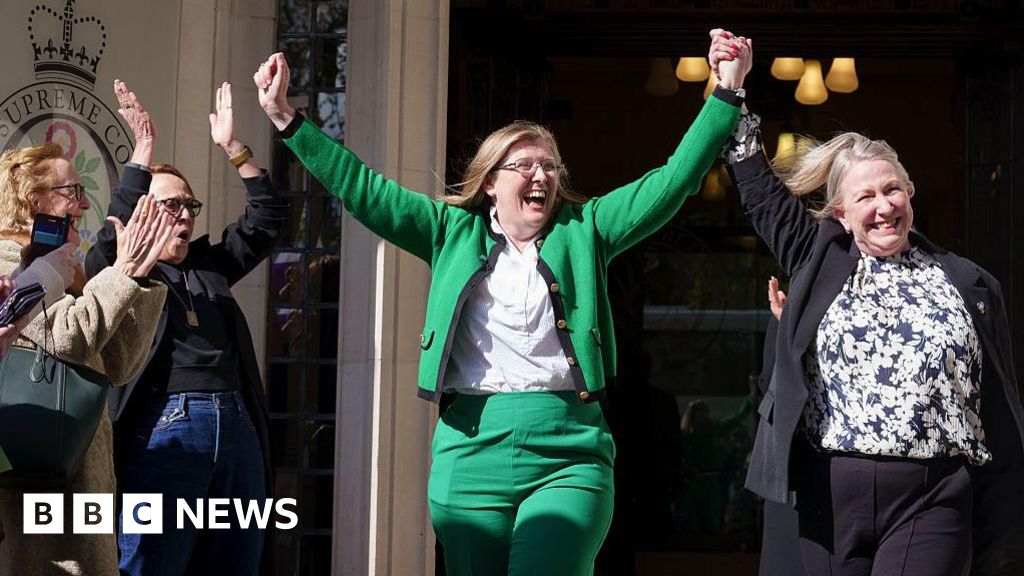 The Bbc
The UK Supreme Court issued a ruling in May 2026 on the scope of Article 2 of the Windsor Framework. The court put stricter limits on the circumstances in which an Article 2 challenge is likely to succeed. It ruled that the human rights provisions of the Good Friday Agreement are generally too vague to give rise to directly enforceable rights in most circumstances.
Article 2 of the Windsor Framework commits the UK not to water down human rights provisions underpinned by EU law that flow from the Good Friday Agreement. Article 2 came into effect in 2021. Since then it has featured in Northern Ireland court cases on abortion, immigration and the legacy of the Troubles.
In 2024 the High Court in Belfast ruled that Article 2 has direct effect. Direct effect means individuals can use Article 2 in UK courts to challenge and potentially dis-apply or strike down UK laws. In 2024 the NI courts ruled that Article 2 could be used to dis-apply two significant UK government policies.
The Supreme Court ruled that to succeed, an Article 2 challenge would need to identify a clear and precise obligation in EU law. The Supreme Court stated that language in the Good Friday Agreement is far too general to give rise to any directly enforceable rights in relation to inquests, civil proceedings or prosecutions.
The Good Friday Agreement refers to the suffering of the victims of violence and to their right to remember and to contribute to a changed society.
Prof Colin Murray said the Supreme Court has radically narrowed the range of cases in which Article 2 can be applied. "In a nutshell, anything that's not in the Annex 1 directives, the court is saying we're not interested in hearing that," Prof Colin Murray told the BBC.
Annex 1 of the Windsor Framework explicitly lists six EU laws which remain in effect in Northern Ireland concerning the prevention of sexual or racial discrimination in areas like employment and access to services.
These rights include but go beyond issues of discrimination. Prof Christopher McCrudden said the government did not succeed in its principal aim and that the attempt to render Article 2 effectively unenforceable has now failed.
That attempt has now failed and that has major constitutional implications," he told the BBC. Prof Christopher McCrudden, a human rights expert at Queens University, emphasised that a close reading of the judgement allows for a wider range of cases.
The Scottish government asserted that transgender people with a gender recognition certificate are entitled to the same sex-based protections as biological women. The Scottish government is asking for the court to rule on the impact of the Windsor Framework on the legal definition of a woman. The case may be discussed in the High Court in just a few weeks time.
Prof Murray argues that while legacy cases might fail the new test, the trans rights case is fought on entirely different legal terrain because it deals with sex and gender and sits firmly within the specific EU anti-discrimination laws protected by Annex 1.
The Labour government dropped its original plan but still wanted the court to clarify the scope of the human rights aspect of the Brexit deal. The government won a partial victory which could have a much wider impact.
The Traditional Unionist Voice MP Jim Allister said the Belfast courts had been put back in their boxes. Allister thinks the strict parameters set by the Supreme Court mean anyone trying to convince the courts that Northern Ireland can take a different path on trans rights will face great difficulties.
What started as a legal battle over how Northern Ireland deals with its past has now become the blueprint for how it decides its future on human rights.
Key Facts
Story Timeline
4 events- 2021
Article 2 of the Windsor Framework came into effect.
1 sourceThe BBC - 2024
High Court in Belfast ruled that Article 2 has direct effect; NI courts used it to dis-apply two UK government policies.
1 sourceThe BBC - May 2026
UK Supreme Court issued ruling narrowing the scope of Article 2 challenges.
1 sourceThe BBC - 2026-05-16
Scottish government case on legal definition of a woman and Windsor Framework impact expected in High Court within weeks.
1 sourceThe BBC
Potential Impact
- 01
Legacy of the Troubles cases face higher barriers to using Article 2 in Northern Ireland courts.
- 02
Potential precedent for future human rights challenges tied to EU-derived anti-discrimination law in Northern Ireland.
Transparency Panel
Related Stories
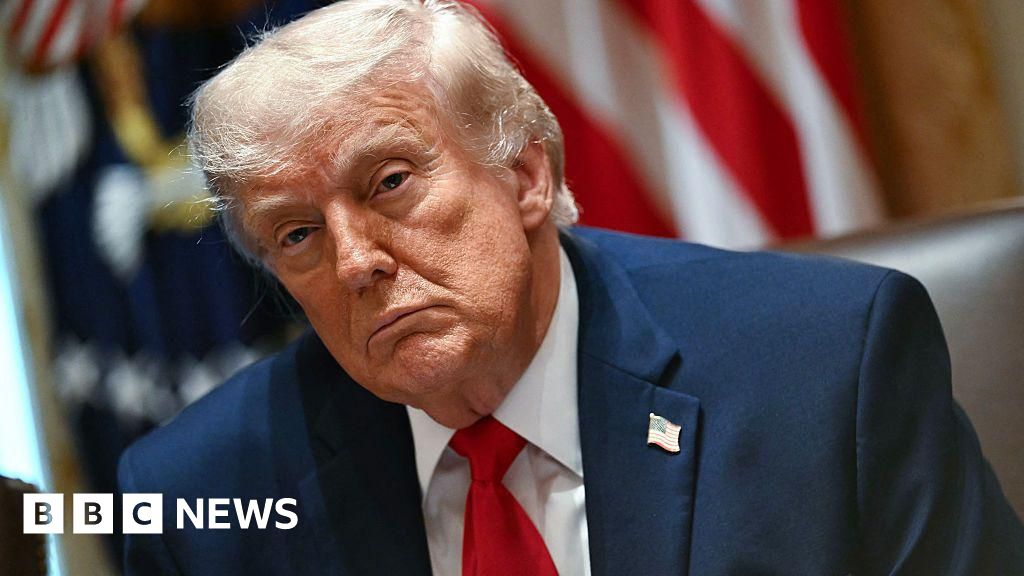 BBC News
Trump Meets Advisers to Decide on Iran Ceasefire Extension
President Trump said he is holding a Situation Room meeting to make a final decision on a possible deal with Iran. The proposed agreement would extend the ceasefire by 60 days and reopen the Strait of Hormuz.
 middleeasteye.net
Trump to Decide on Iran Deal in Situation Room Meeting
President Trump said Friday he is heading into the Situation Room to make a final determination on a potential agreement with Iran. The proposed deal would reopen the Strait of Hormuz without tolls and require destruction of Iran's highly-enriched uranium.
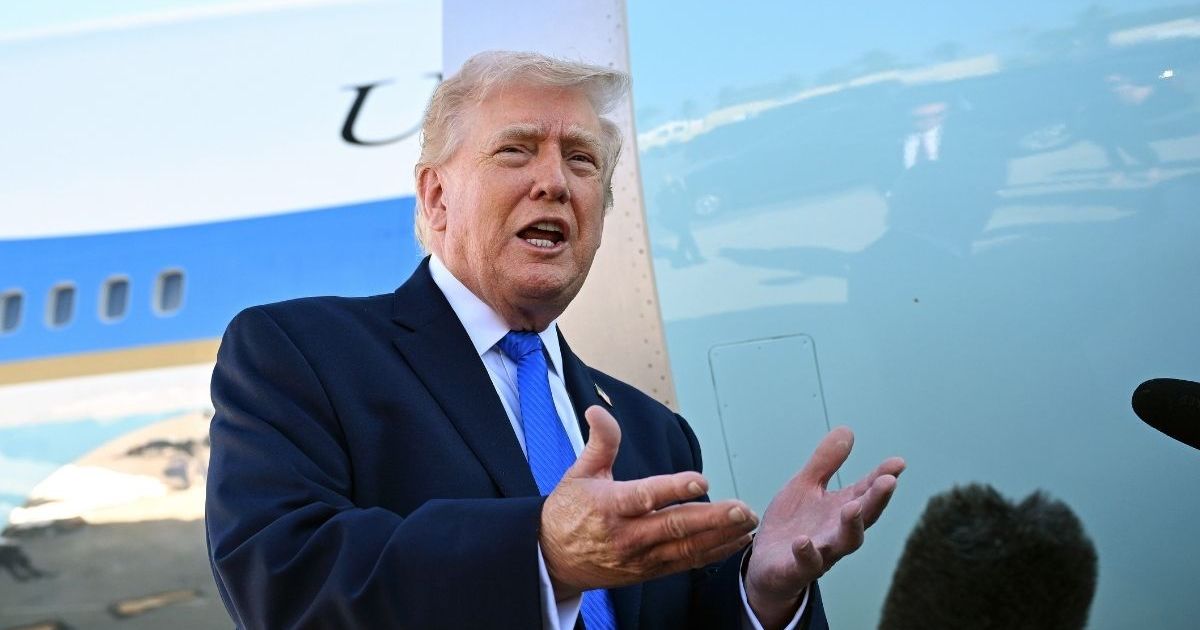 realitytea.com
Trump Says U.S. Will Lift Iran Naval Blockade After Nuclear and Hormuz Pledges
President Trump stated the U.S. will end its naval blockade of Iran once Tehran commits to forgoing nuclear weapons and opens the Strait of Hormuz to unrestricted shipping. The announcement came via Truth Social and a live statement.