Army, Joint Staff to Test Stratospheric Balloon With Autonomous Sensor Prototype
The Army’s G-2 and the Joint Staff’s J-7 will test an autonomous target recognition sensor mounted on a stratospheric high-altitude balloon in the coming days.
 Breaking Defense
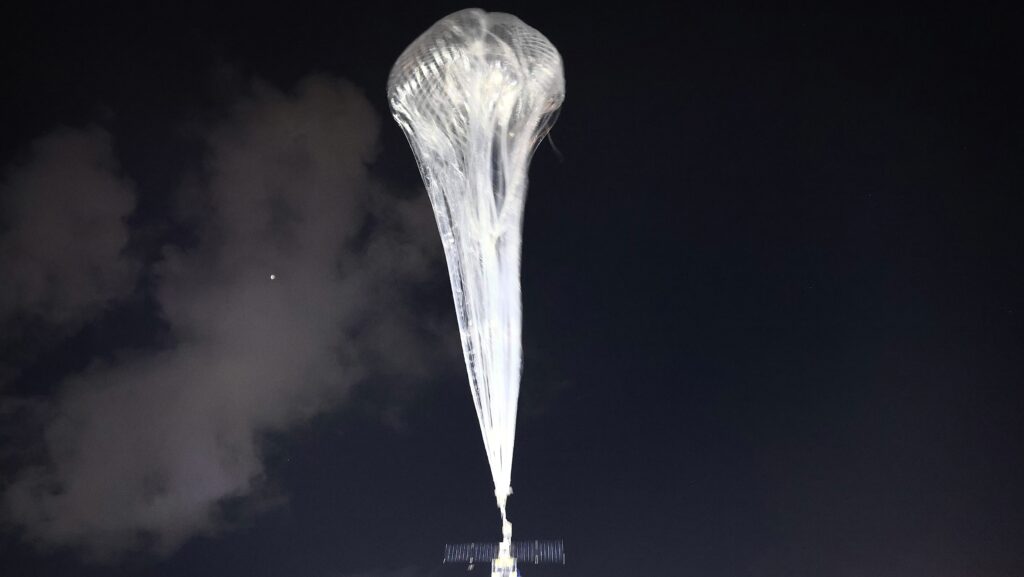
The Army’s intelligence hub and the Joint Staff’s J-7 will test Project Wallabee, a prototype system that places an autonomous target recognition sensor on a stratospheric high-altitude balloon, in the coming days. A senior Army official told Breaking Defense on Tuesday that the Army’s G-2 is partnering with the J-7’s Warfighter Laboratory Incentive Fund program for the test.
The exercise marks the first time the military will fly manufacturer Urban Sky’s high-altitude balloon carrying Applied Intuition’s small sensor.
Andrew Evans, director for the new Strategy & Transformation Office inside the G-2, said the maturity of sensors able to operate in the stratosphere had been insufficient. The stratosphere begins at about 60,000 feet above the Earth’s surface and presents extreme weather and low air density.
Evans said systems that operate at stratospheric altitudes are very light because they contend with low air density and therefore do not carry heavy payloads.
He added that the payloads the Army has been investing in up until this point have been much heavier and require much more power, rendering them ineffective in the stratosphere. The force needs something lighter that can operate in the vast temperature swings in the stratosphere, Evans said.
Project Wallabee pairs advancements in stratospheric balloons with advancements in miniaturizing sensors that can operate in that environment.
The 3D Multi-Domain Task Force, in conjunction with the Office of the Undersecretary of Defense, launched high-altitude balloons from Won Pat International Airport in Guam on June 10, 2024. The Wallabee prototype is set to provide the Army and the J-7 with additional intelligence-gathering capabilities in the stratosphere.
Evans said the Army and the J-7 want to combine ground, airborne, stratospheric and space-based sensors to create a multi-layered, robust sensing ecosystem.
He said the goal is to field as many sensors from as many different altitudes and sensing domains as possible because that creates important dilemmas for adversaries. Evans said that if forces operate only from the ground or only from space, adversaries gain opportunities to counter capabilities by focusing on exactly what is being done.
Transparency
Reported by a single outlet. This score reflects source tier and factual specificity — corroboration is limited with one source.
Story details
Related Stories
 news.google.com
Amazon Replaces Walmart at Top of 2026 Fortune 500 After 13-Year Reign
Amazon overtook Walmart for the No. 1 spot on the annual ranking after posting $700 billion in revenue, ending Walmart’s 13-year run at the top. The list shows total Fortune 500 revenue reached $21 trillion.
 jns.org
Iranian Strikes Hit Kuwait Airport, Killing One and Injuring Over 60
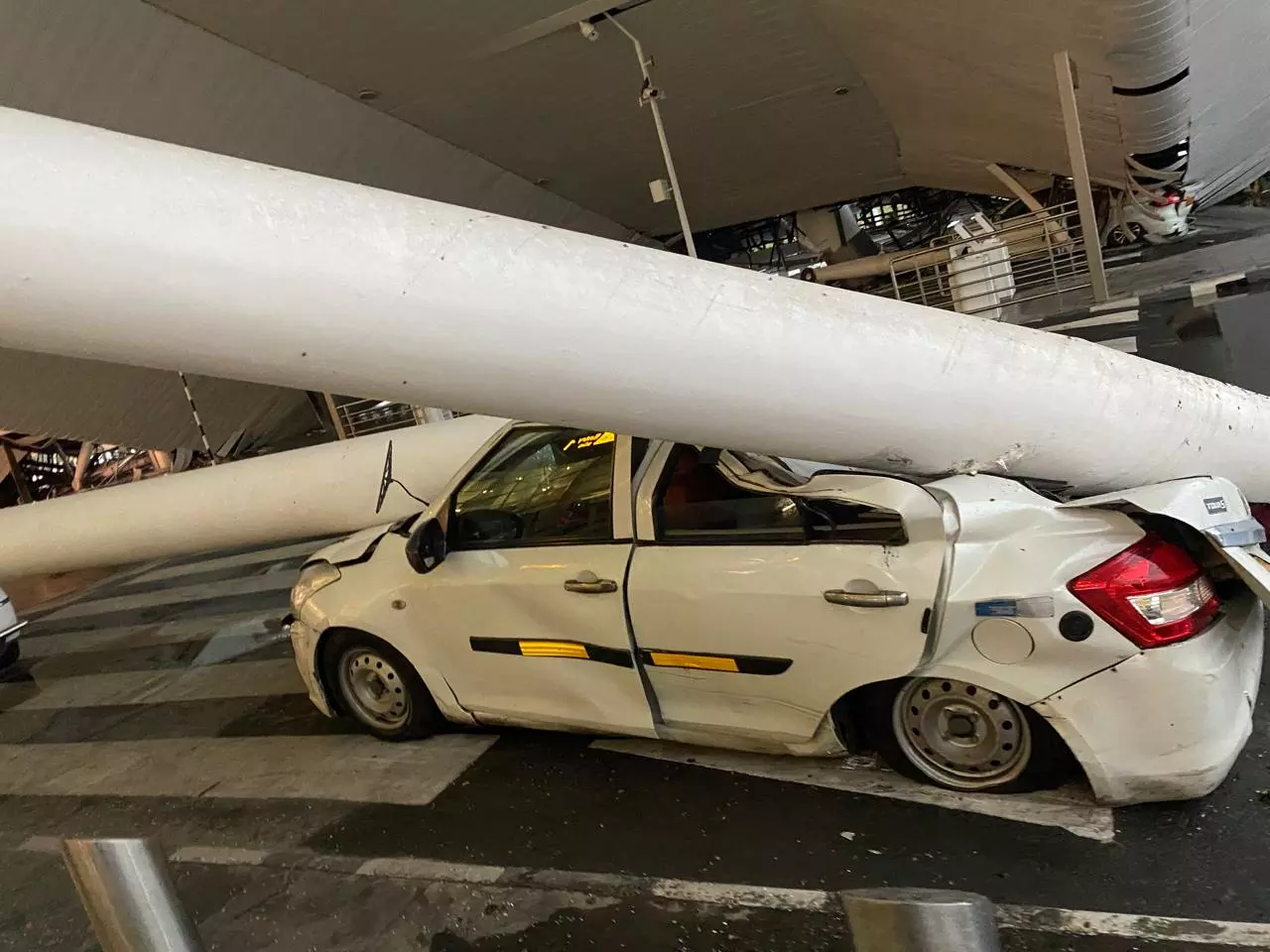
Iranian drones and missiles struck Kuwait International Airport on Wednesday, killing one person and injuring more than 60 others. Kuwait closed the facility for several hours before resuming limited operations from another terminal.
 deccanchronicle.com
Iranian Drone Strikes Kuwait Airport Terminal, Killing One
An Iranian drone hit a passenger terminal at Kuwait International Airport on Wednesday, killing one Indian citizen and injuring 63 others. Kuwait ordered two Iranian diplomats to leave within 24 hours.