Topic
mammals
15 stories related to this topic, newest first.
 america.cgtn.com
science17 days ago
Camera Traps Document Wildlife Behavior Shifts During Ukraine Conflict
Researchers in Ukraine used camera traps to examine how armed conflict affects wildlife. The study, published in Science, recorded behavioral adjustments in mammals and immediate responses to conflict events. It points to the method's role in tracking ecological effects of war.
SC
 nypost.com
world38 days ago
Faroe Islands Hunters Kill Over 700 Porpoises in One Day During Annual Traditional Grind Hunt
A single-day hunt in the Faroe Islands killed more than 700 porpoises, exceeding two-thirds of the total marine mammals taken in all of 2025.
business43 days ago
Draft Assessment Finds Middle Arm Project Would Remove 86 Percent of Endangered Herb Population
The Northern Territory government's draft environmental impact assessment states that the planned Middle Arm Precinct would eliminate 86 percent of the known population of Typhonium sp. Cox Peninsula. The assessment also identifies significant impacts on endangered mammals and sh…
world51 days ago
Nunavut Hunters and Trappers Seek More Consultation on Baffinland Steensby Project
Hunters and trappers associations from three Nunavut communities are requesting additional consultation before new permits are issued for Baffinland's proposed Steensby Inlet expansion. The groups cite concerns over potential effects on marine mammals and caribou from year-round…
 app.buzzsumo.com
science56 days ago
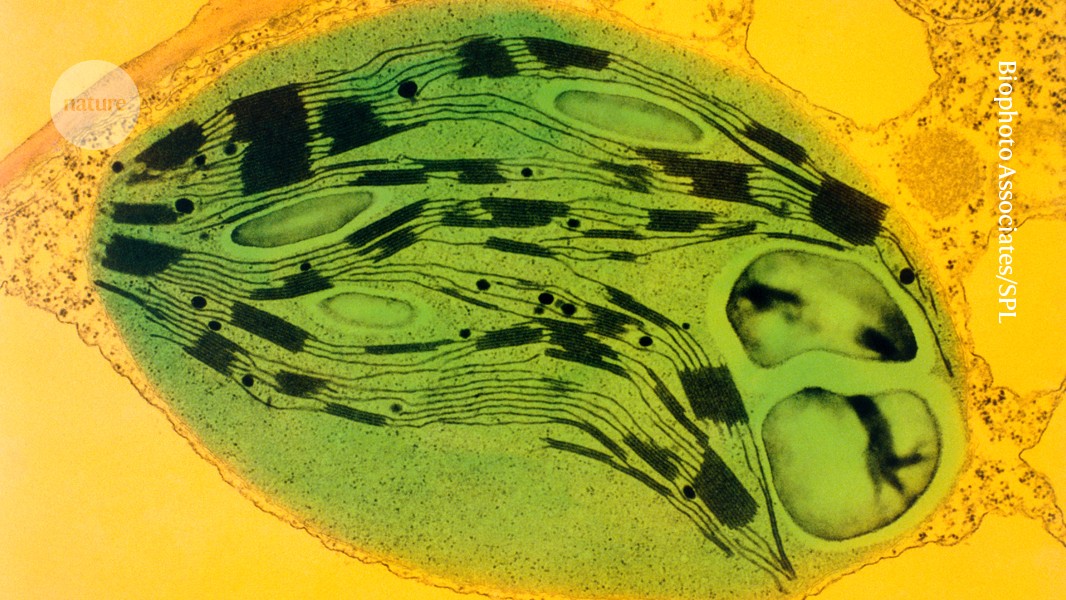
Spinach Chloroplasts Implanted in Mice Eyes Produce Light-Driven Molecules and Reduce Inflammation in Preliminary Study
Researchers isolated chloroplasts from spinach bought at a Singapore supermarket and introduced thylakoid grana into mouse eyes. The plant-derived machinery transforms light into energy-carrying molecules and reduces inflammation. The study, published in Cell, draws on evolutiona…
NA
 sciencealert.com
world59 days ago
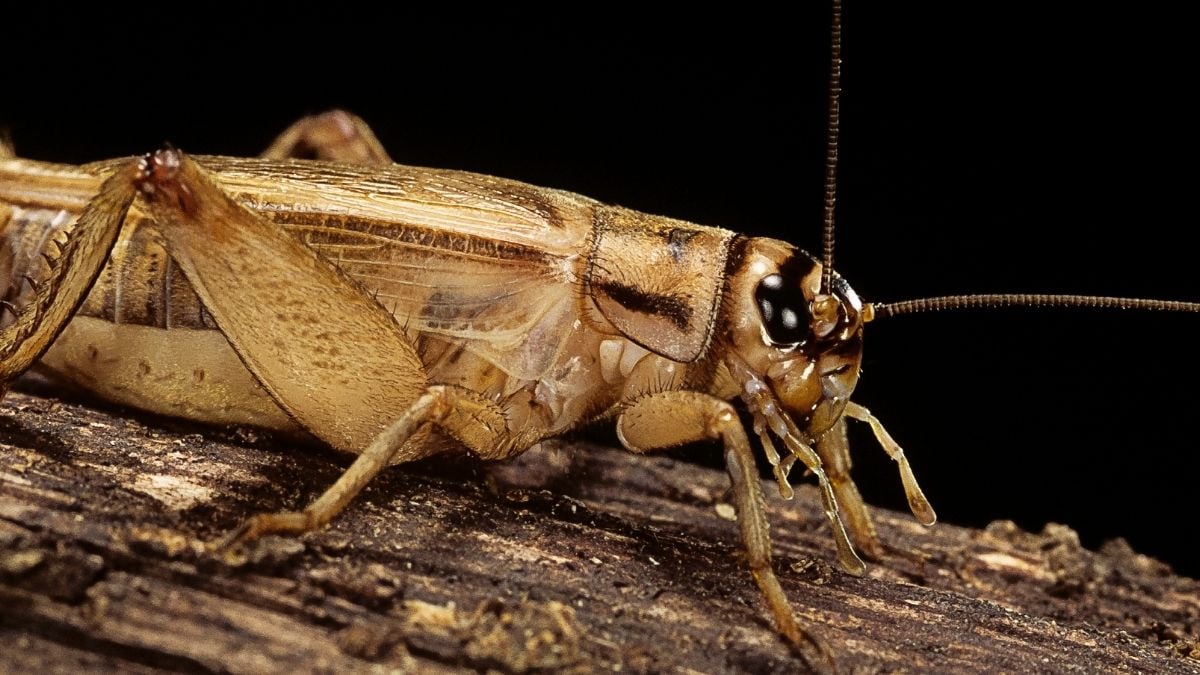
Crickets Show Signs of Pain by Grooming Injured Antennae
Researchers observed crickets stroking and grooming a sore antenna after injury in a manner similar to how mammals tend to wounds. The behaviour is described as flexible self-protection, which scientists use to assess whether an animal experiences pain rather than a simple reflex…
 Substrate placeholder — needs review
science76 days ago
Heart Beating Inhibits Cancer Growth in Mice, Study in Science Reveals
A new study published today in Science shows that the mechanical beating of the heart prevents cancer cells from proliferating in mouse hearts. Researchers transplanted non-beating hearts and observed rapid cancer growth compared to native beating hearts. This finding may explain…
NA
Substrate placeholder — needs reviewscience85 days ago
Scientists Identify Latrines Used by Mammals in Ficus tuerckheimii Trees in Tropical Forests
Researchers found that 73 percent of surveyed Ficus tuerckheimii trees host latrines where multiple mammal species deposit scat. Camera traps recorded visits from 17 mammal species, highlighting the tree’s role as a food source, shelter, travel route, and communal latrine in trop…
Substrate placeholder — needs reviewscience91 days ago
Mouse Study Examines Generational Effects of Artificial Sweeteners
A study published in mice suggests artificial sweeteners may cause adverse metabolic effects persisting across generations. Researchers exposed pregnant mice to aspartame and stevia, observing impacts on offspring and grand-offspring. The findings raise questions about long-term…
ER
Substrate placeholder — needs reviewworld92 days ago
Fossil Embryo Confirms Egg-Laying Reproduction in Mammalian Ancestors from 250 Million Years Ago
Scientists have identified a 250-million-year-old fossilized embryo of Lystrosaurus in South Africa, providing the first definitive evidence that therapsids, ancestors of mammals, laid eggs. The specimen, discovered in 2008, was analyzed using advanced X-ray scanning to reveal an…
 Npr
Nprscience92 days ago
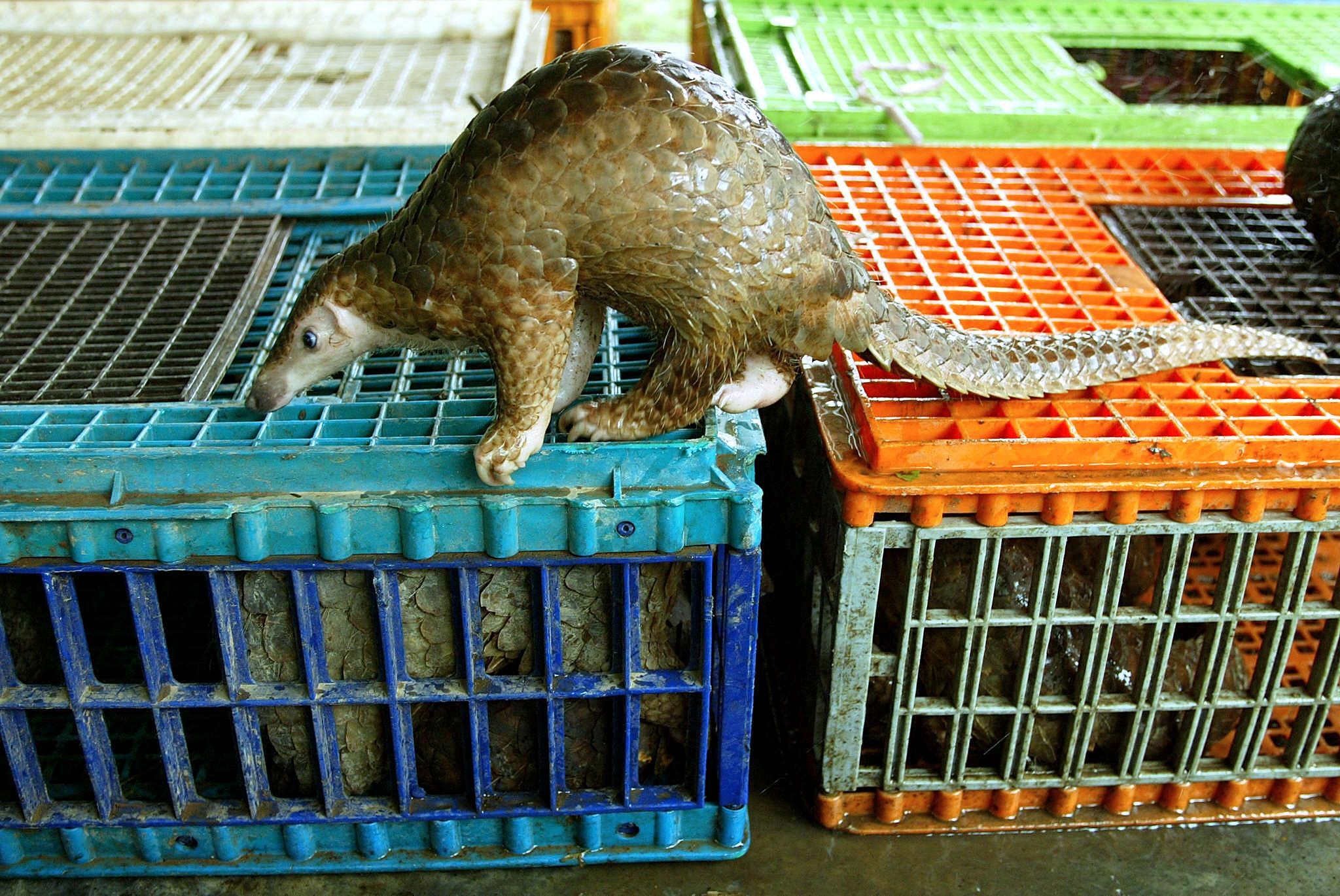
Study Finds Traded Mammals 1.5 Times More Likely to Carry Human Pathogens
A study published in Science analyzed databases of pathogens and wildlife trade data, finding that traded mammals are about 1.5 times as likely to share pathogens with humans compared to non-traded mammals. The research highlights risks from live animal markets and illegal trade.…
Substrate placeholder — needs reviewscience92 days ago
Study Finds Traded Mammals 50 Percent More Likely to Share Pathogens with Humans
A study published in Science analyzed over 2,000 traded mammal species and found that 41 percent share at least one pathogen with humans, compared to 6.4 percent of non-traded species. Traded mammals are 1.5 times more likely to share pathogens. The research highlights risks from…
Substrate placeholder — needs reviewscience93 days ago
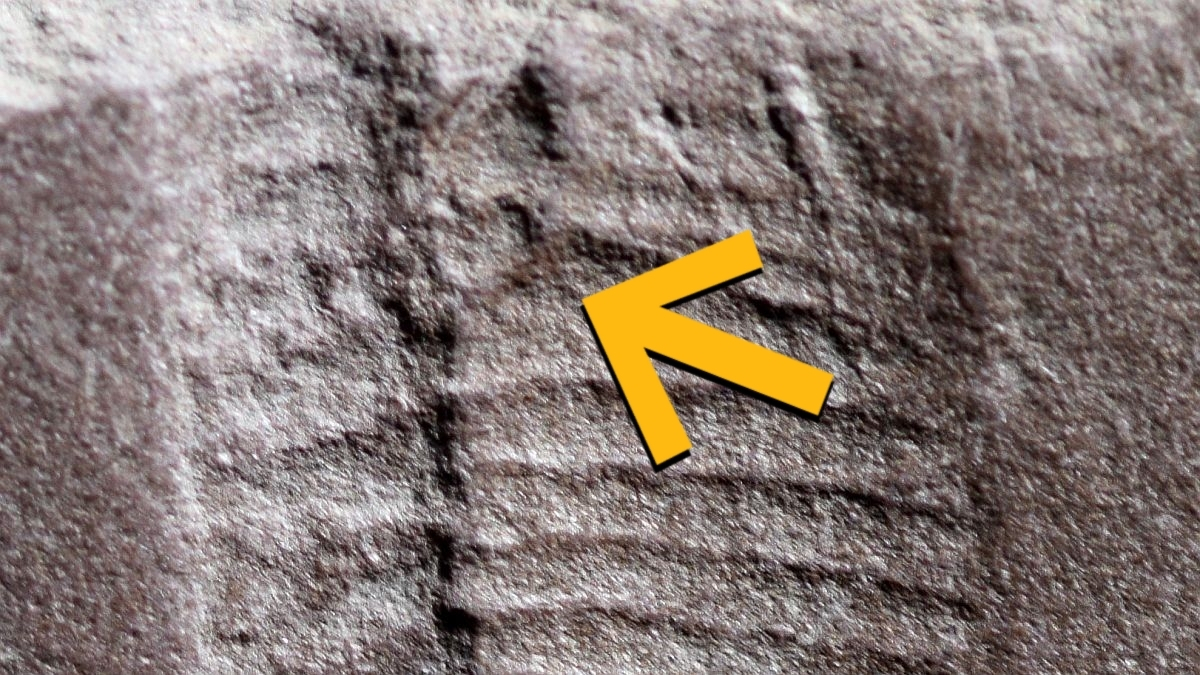
Reanalysis of 1948 German Discovery Shows Neanderthals Hunted Large Mammals
Researchers have re-examined ancient elephant bones and a wooden spear discovered in Germany in 1948. The findings indicate that Neanderthals hunted straight-tusked elephants, which were among the largest land animals. This evidence suggests Neanderthals targeted large prey to su…
NE
 sciencealert.com
science93 days ago
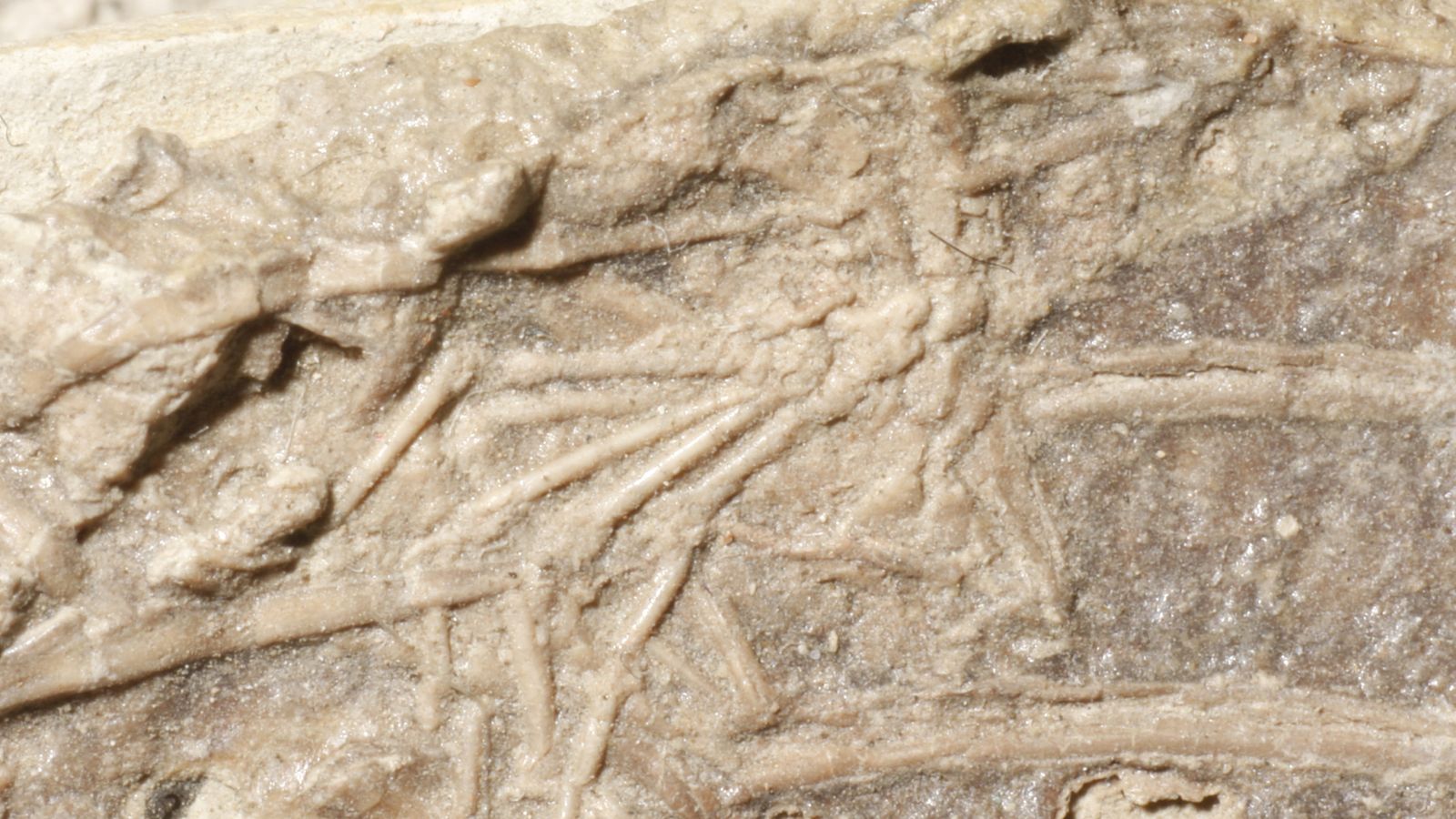
Fossils of Ancient Reptile Reveal Early Evolution of Chest-Based Breathing
Mummified remains of Captorhinus, a small lizard-like reptile from 289 to 286 million years ago, preserve rib cages, cartilage and protein traces. These fossils show a flexible breathing apparatus similar to that in modern reptiles, birds and mammals. The discovery provides evide…
 news.sky.com
science94 days ago
Reanalysis of 1948 German Discovery Shows Neanderthals Hunted Large Mammals
Researchers have re-examined elephant bones and a wooden spear discovered in Germany in 1948. The analysis indicates that Neanderthals hunted straight-tusked elephants. This finding provides evidence of their capabilities in pursuing large game.
NE