Topic
archaeologist
52 stories related to this topic, newest first.
 winnipegfreepress.com
science2 hrs ago
Archaeologists Identify Possible Name of Maya Scribe in Guatemalan Mural
Guatemala's Ministry of Culture announced that researchers transcribed symbols at the San Bartolo-Xultun site to reveal the name Sak Tahn Waax. The find includes a complete mathematical and astronomical formula from the Maya Classic period. CBS News reported the discovery on Mond…
 The Independent
science3 hrs ago
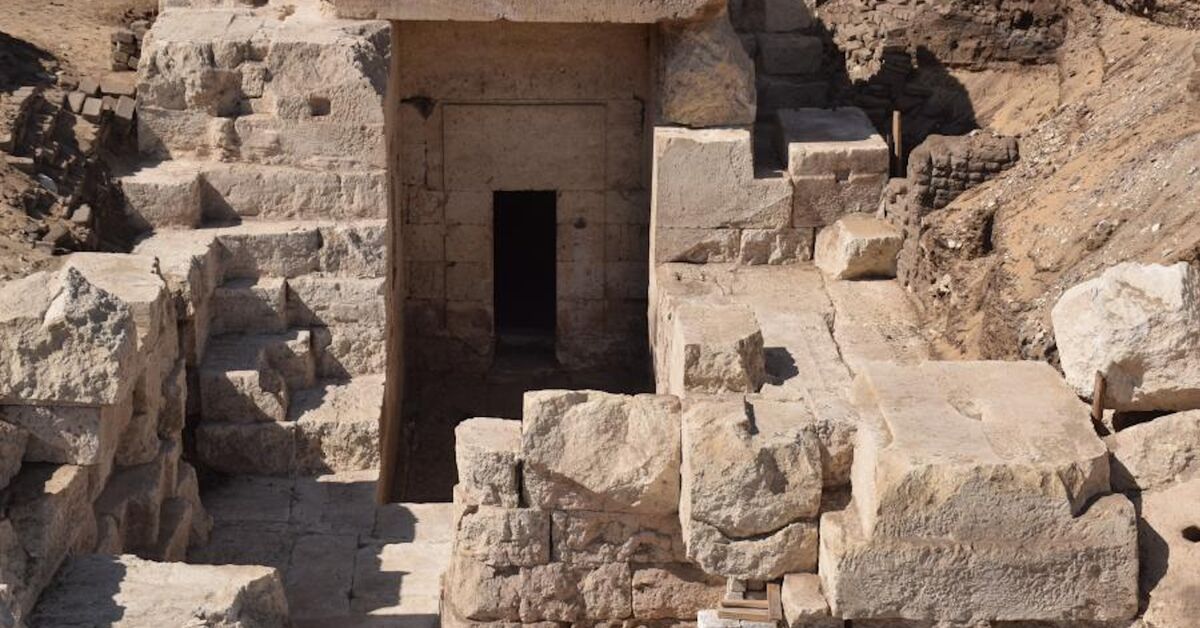
Archaeologists Find 3,000-Year-Old Tomb of Paser at Luxor Necropolis
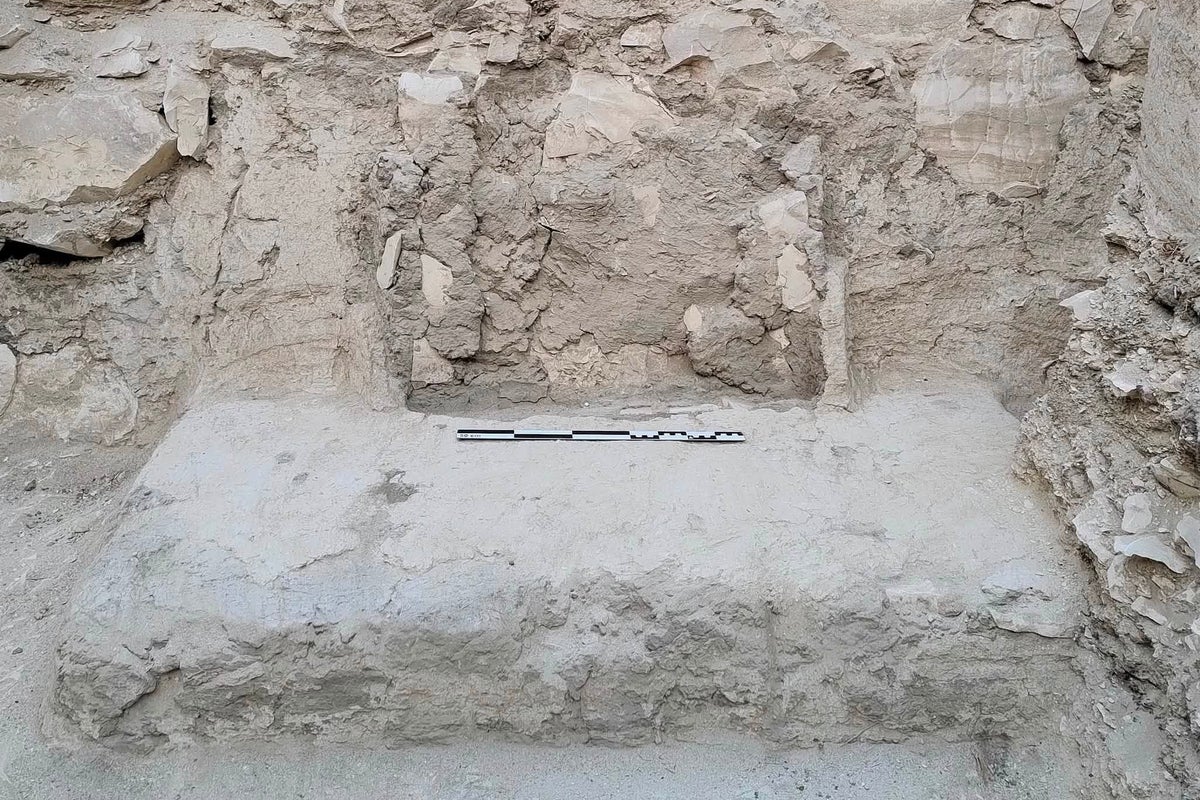
Egyptian authorities announced the discovery of a New Kingdom burial site belonging to an official named Paser. The find was made by a Dutch team during ongoing excavations that began in 2018.
 jpost.com
world3 days ago
Archaeologists Identify Greek Curse Tablet at Roman Settlement in Netherlands
A lead tablet bearing an Egyptian-style spell was recovered from a pit beneath the town hall square in the former Roman military settlement of Coriovallum. The tablet contains an ancient Greek invocation of deities and demons.
JE
 jpost.com
world3 days ago
Byzantine-Era Mudbrick City Found in Egypt's Dakhla Oasis
Archaeologists uncovered a mudbrick settlement from the Byzantine period in Egypt's western desert. The site includes homes, a basilica, watchtowers, inscriptions, and gold coins from Emperor Constantius II's reign.
JE
 theepochtimes.com
world4 days ago
Archaeologists Find 2,000-Year-Old Gold Rings at Thai Site
Two gold rings estimated at 2,000 years old were uncovered with human bones at the Don Yai Thong site in Phetchaburi province. One ring bears Bhrami script; the other is plain. The excavation, which began after bronze drums surfaced in a rice field, is set to finish next month.
 New Scientist
science7 days ago
Archaeologists Uncover Wooden Posts Aligned to Summer Solstice Near Stonehenge
@NewScientist reported the discovery of two postholes at Bulford, 5 km from Stonehenge, forming a wooden monument aligned to the midsummer sunrise around 2950 BC. The structure predates Stonehenge's main phases by about 500 years.
 New York Post
world7 days ago
Archaeologists Decode Aramaic Inscription at Turkish Mithras Temple
Researchers have deciphered a 1,700-year-old Aramaic inscription at an underground Mithras temple in southeastern Turkey. The engraving, found at Zerzevan Castle, references both Mithras and Jesus Christ and provides direct evidence of the temple's closure by early Christians.
 Euronews
science9 days ago
Intact Prehistoric Cave Found Near Foreidis in Northern Israel
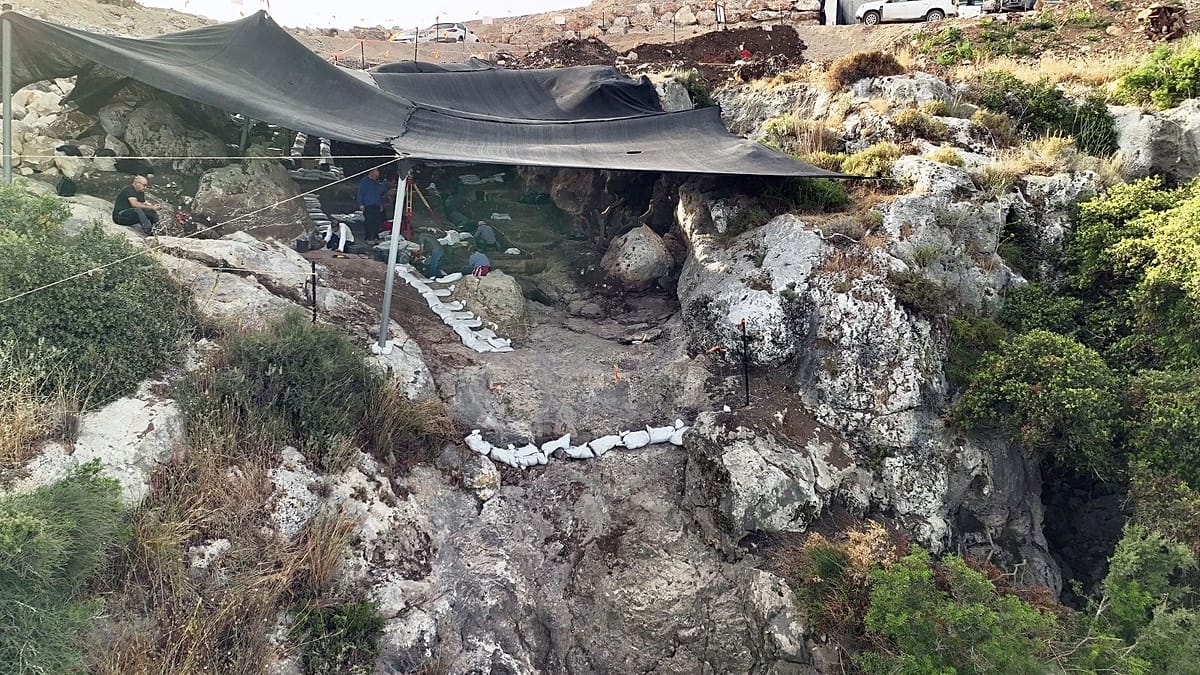
Archaeologists uncovered a sealed cave near Foreidis that dates between 400,000 and 250,000 years ago. The site contains flint tools, animal bones, and evidence of repeated occupation from the Acheulo-Yabrudian period.
 scoopempire.com
world10 days ago
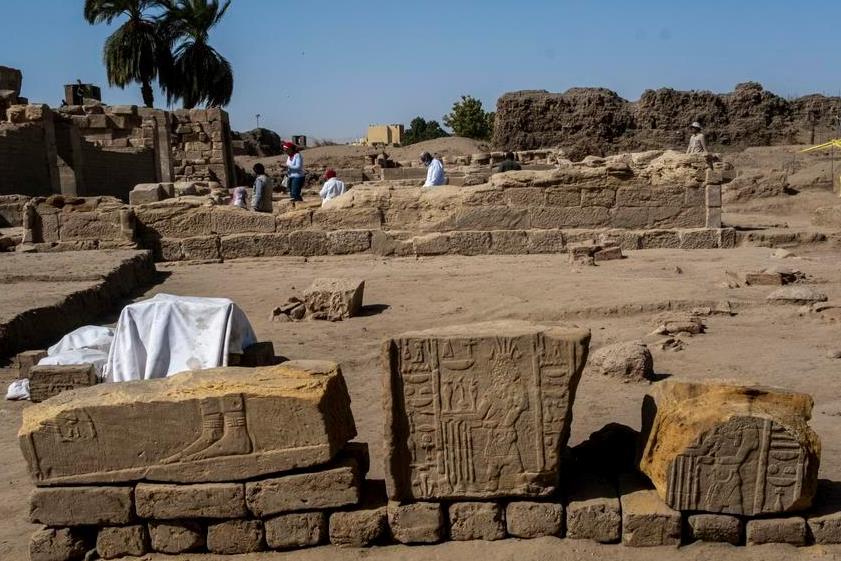
Egyptian Excavation Uncovers New Chambers in 2,500-Year-Old Temple
Archaeologists completed excavation of previously unexplored sections of an ancient temple in Egypt's Bahariya Oasis two weeks ago. The work revealed sandstone columns, shrines, and inscriptions naming Pharaoh Psamtik I along with artifacts from earlier dynasties.
JE
 nypost.com
world12 days ago
Archaeologists Complete 1,000 Trial Trenches Along Proposed East West Rail Route
Work on 1,000 archaeological trial trenches has been completed in Bedfordshire and Cambridgeshire. Roman coins, a Late Iron Age vase and pottery were among the finds uncovered along the planned rail corridor between Cambridge and Oxford.
 archaeology.org
world17 days ago
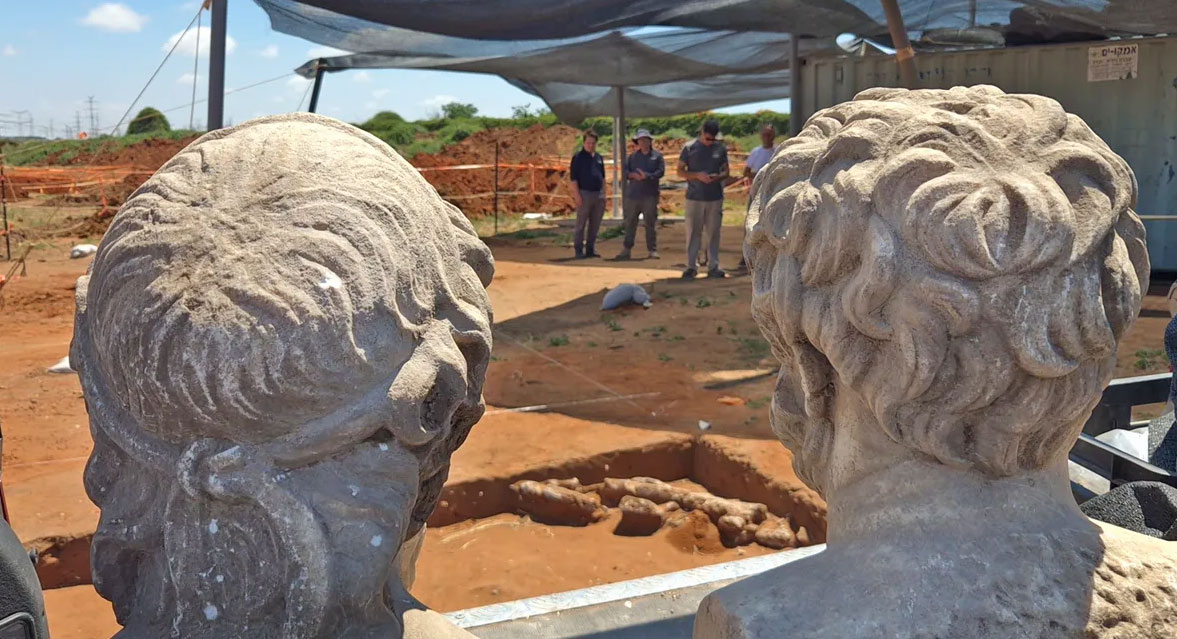
Archaeologists Find Two 1,700-Year-Old Statues in Israel Winepress
The marble figures were uncovered near Binyamina during work on a coastal railway. One bears a Greek inscription with the name Lycurgus, and both were buried face down in a Roman-Byzantine winepress pit.
 ecns.cn
world18 days ago
Egyptian Archaeologists Uncover Greco-Roman Cemetery Remains in Beheira Province
Archaeologists found human burials and artifacts at the Tell Kom Aziza site in northern Egypt. The cemetery dates from 332 B.C. to 395 A.D. and shows varied funerary practices across centuries. Excavation work continues at the location.
 jpost.com
world18 days ago
Fureidis Cave Excavation Reveals Six Layers of Prehistoric Occupation
Archaeologists began digging at the site after Passover 2026 after road work threatened it. They identified Acheulean-Yabrudian and Mousterian layers and persuaded authorities to build a bridge over the cave instead of through it.
 medievalists.net
science19 days ago
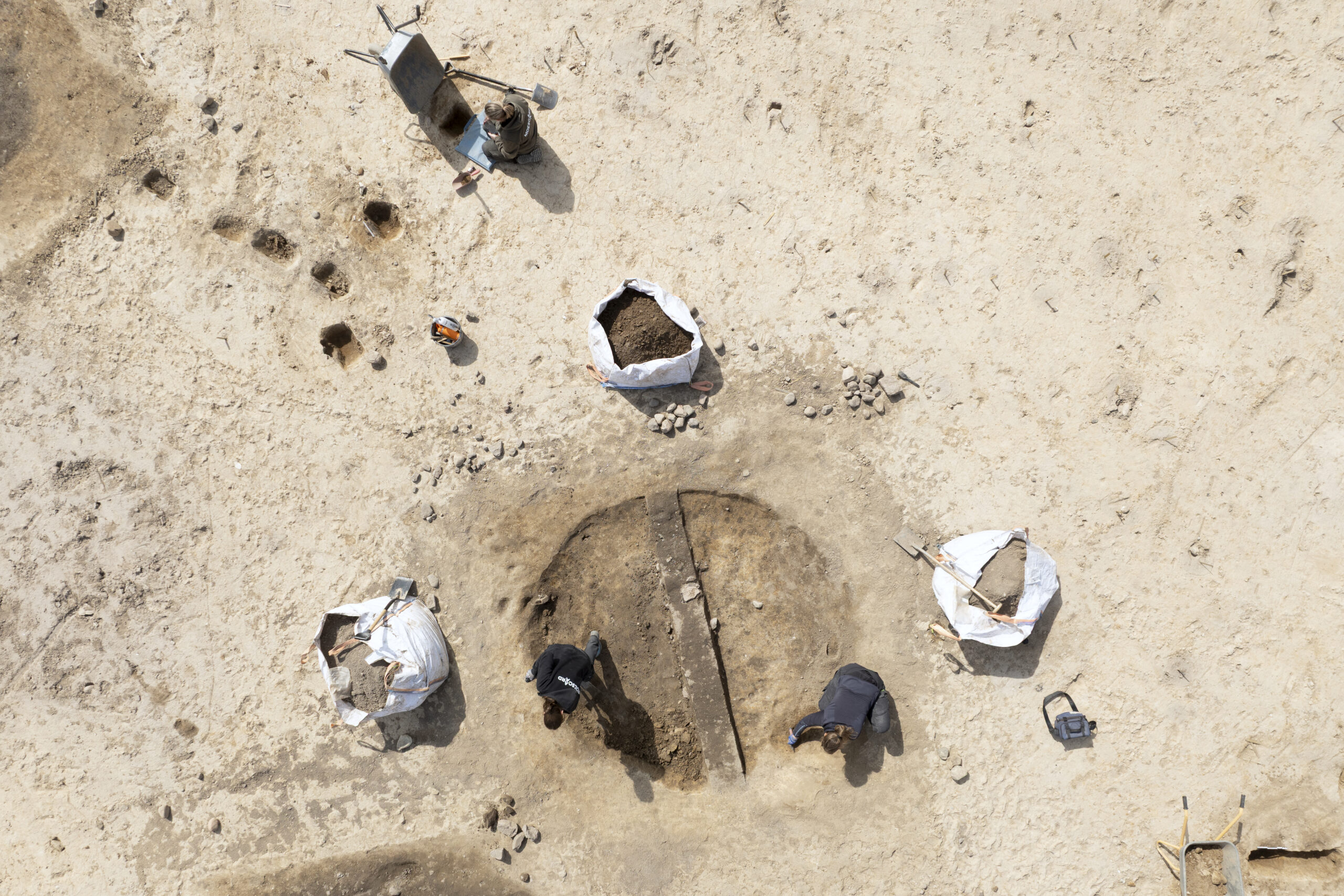
Archaeologists Discover Viking Age Textile Site in Søften Denmark
A 100,000-square-meter settlement focused on textile production was found in Søften, 10 kilometers north of Aarhus. The site dates between A.D. 600 and 950 and includes more than 80 pit houses. Fortune reported the results of a 10-month excavation by Moesgaard Museum.
 Substrate placeholder — needs review
world20 days ago
Archaeologists Discover Large Viking Age Textile Production Site in Denmark
A 100,000-square-meter site in Søften features more than 80 pit houses and flax processing areas used between A.D. 600 and 950. The find highlights organized production tied to regional trade networks.
 The Sydney Morning Herald
science23 days ago
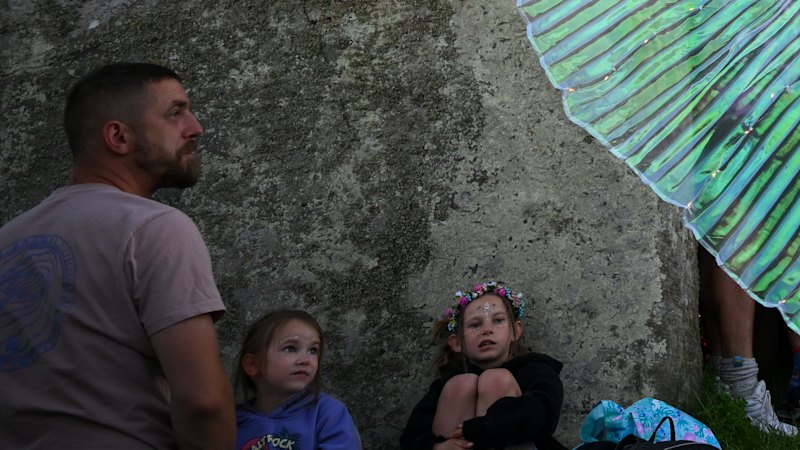
Archaeologists Find 5,500-Year-Old Solstice-Aligned Poles Near Stonehenge
Wessex Archaeology uncovered two wooden poles at Bulford that predate the stone circle by roughly 500 years and mark both the summer sunrise and winter sunset.
 New York Post
science24 days ago
Archaeologists Unearth Roman Coin and Medieval Objects in Notre Dame Square Renovation
Excavation 13 feet below Notre Dame Cathedral square has recovered a 4th-century coin, complete ceramics, and grain pits dating to the sixth century. The work precedes planned square renovations due by 2028.
Substrate placeholder — needs reviewworld25 days ago
Archaeologists Find 3000 B.C. Wooden Post Pits Near Stonehenge
Excavation at Bulford uncovered two large pits that once held wooden posts aligned with the solstices, predating the stone circle by about 500 years.
 nypost.com
world27 days ago
Artifacts Unearthed at Bunker Hill Monument Site
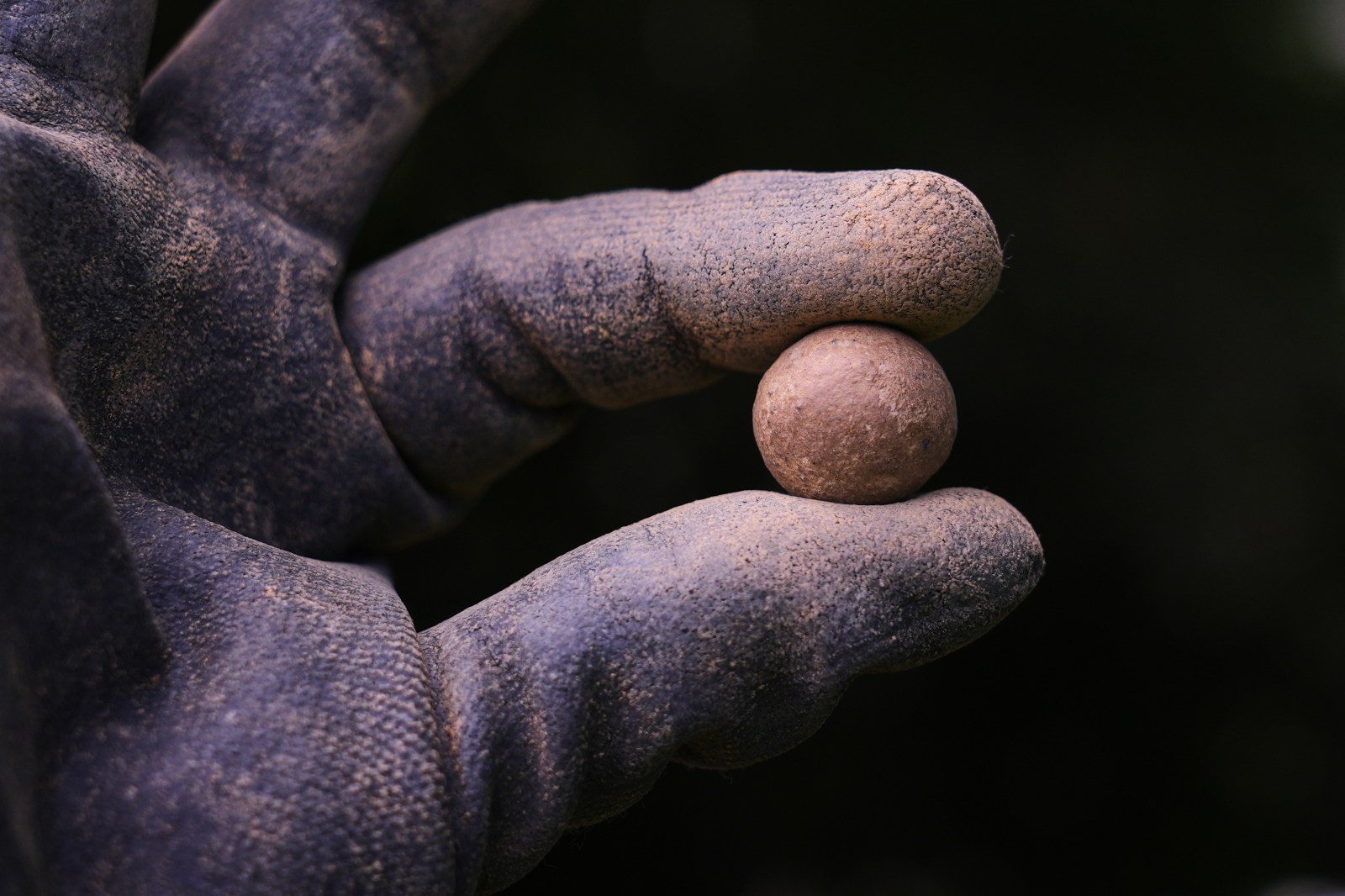
Archaeologists uncovered musket balls and other artifacts from the Battle of Bunker Hill beneath the monument grounds. The finds occurred during landscaping work at the historic Boston site.
AB
Substrate placeholder — needs reviewworld27 days ago
Archaeologists uncover cultic stone at ancient Israelite site
A large standing stone uncovered at Tel 'Eton in southern Israel shows signs of deliberate dismantling in the 8th century BCE. The find comes from a mansion excavated in 2014 and 2015 and may relate to religious changes described in biblical accounts of King Hezekiah.
 archaeology.org
science27 days ago
77 Headless Skeletons Found at 7,000-Year-Old Settlement in Slovakia
Archaeologists uncovered 78 skeletons, 77 without heads, at a Neolithic site near Vrable. Researchers concluded the remains reflect a deliberate post-mortem ritual rather than violence.
 The Independent
science28 days ago
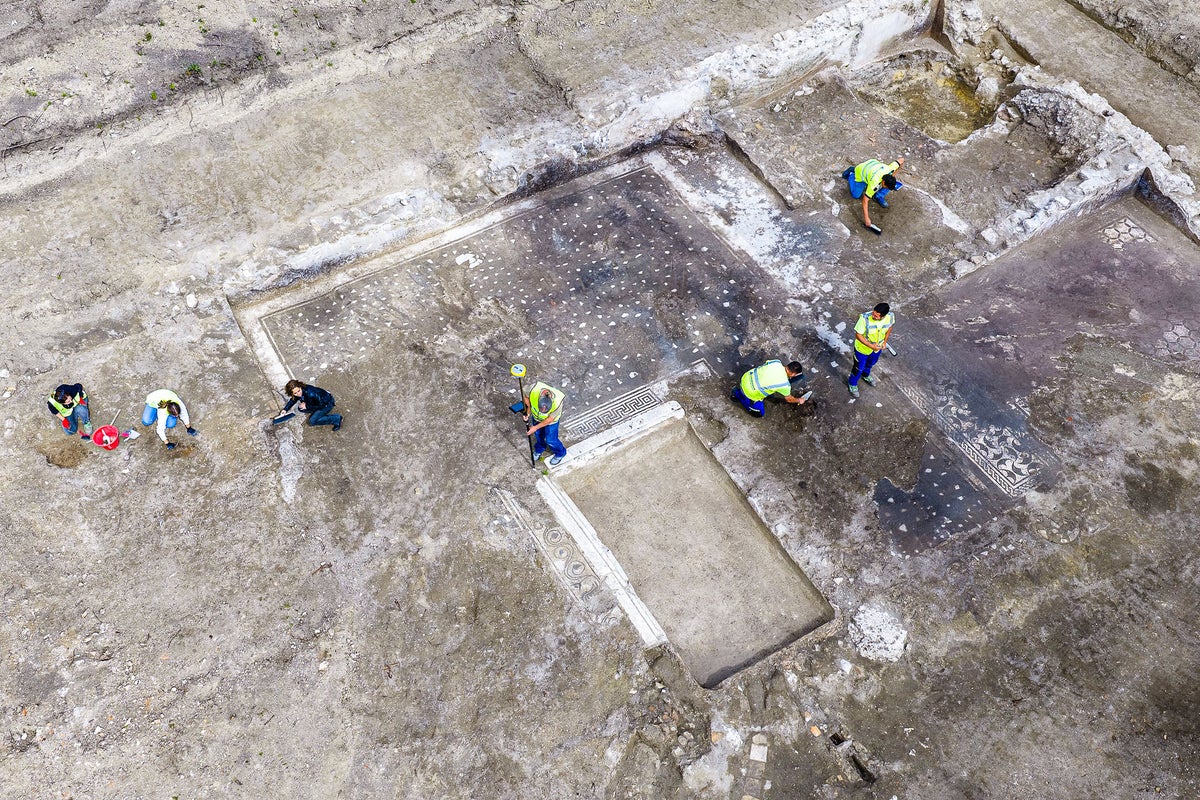
Archaeologists Uncover First-Century Villa Near Rome During Emergency Excavations
Emergency excavations at Castel di Guido revealed a large villa with preserved mosaics, painted walls, and a marble statue. The site lies 19 km west of Rome in the ancient region of Lorium.
 middleeasteye.net
world28 days ago
Greco-Roman Figures Found in Byzantine Wine Press in Northern Israel
Archaeologists uncovered two Greco-Roman figures inside a Byzantine-era wine press. The Israel Antiquities Authority and Eretz Israel Museum announced the discovery.
JE
 The Independent
science34 days ago
Iron Age Skeletons Found in Scottish Cairn Show Signs of Postmortem Skull and Bone Modification
Archaeologists uncovered an adult female and juvenile male, likely maternal second cousins, in a low stone cairn in Sutherland. The adult female’s remains showed signs of postmortem modification.
 popularmechanics.com
world34 days ago
Archaeologists uncover 78 headless skeletons in Neolithic ditch in Slovakia
Researchers found 78 skeletons, all but one without heads, in a ditch near Vráble. The remains date to 5250–4950 B.C.E. and appear to reflect deliberate burial practices rather than violence.
popularmechanics.comworld34 days ago
Dozens of 7,000-Year-Old Headless Skeletons Found in Slovakian Ditch
Archaeologists uncovered 78 headless skeletons in a Neolithic ditch at Vráble, Slovakia. The remains date to approximately 7,000 years ago and appear to have been placed deliberately rather than resulting from violence.
 al-monitor.com
world39 days ago
Archaeologists in Egypt uncover artifacts spanning Egyptian, Greek, and Roman eras
A team of archaeologists working in Egypt has found a collection of ancient objects that includes items from multiple historical periods along with a marble head of Aphrodite and a Roman basilica. The discovery also includes a near-complete funerary set.
JE
 newser.com
world42 days ago
Archaeologists Unearth Ancient Artifacts in Egypt
Archaeologists have discovered Pharaonic funerary furniture, remains of a Roman basilica, and a marble head of Aphrodite during excavations in Egypt. The finds include items from multiple historical periods.
AB
 South China Morning Post
world45 days ago
Chinese archaeologist pleads guilty to bribery and embezzlement charges
Liu Bin admitted accepting bribes and embezzling funds while overseeing projects at the Liangzhu ruins. The court hearing took place in Zhejiang province on May 20.
Substrate placeholder — needs reviewworld52 days ago
Archaeologists Find 600-Year-Old Citadel in Peruvian Jungle
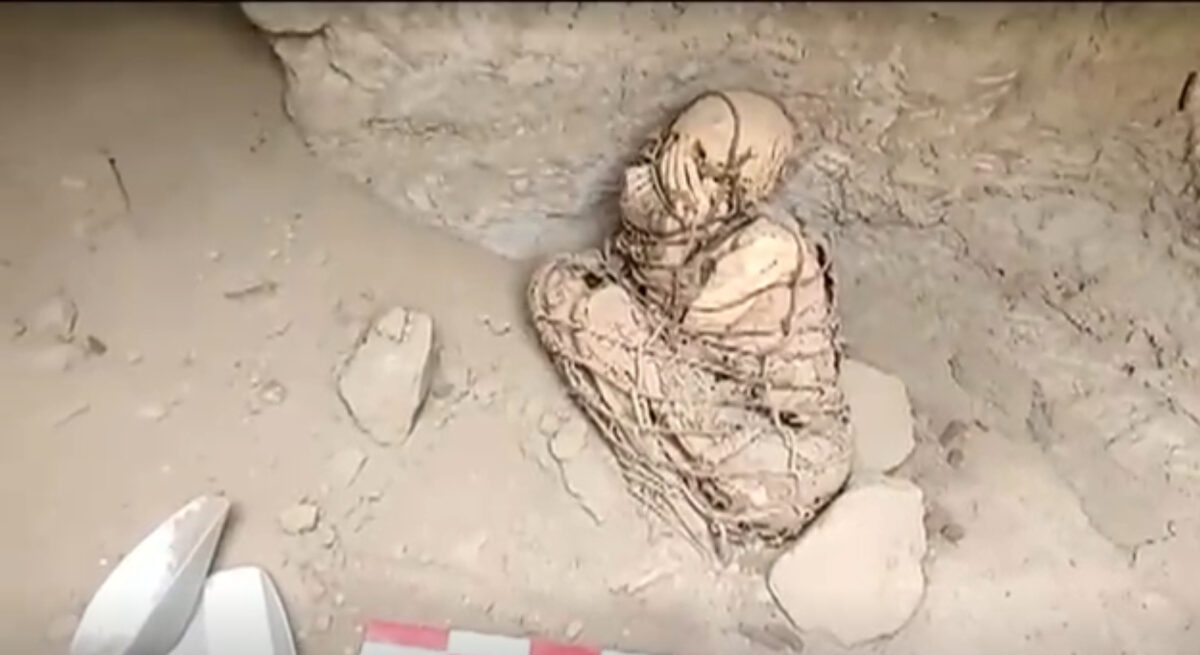
Researchers uncovered a pre-Incan citadel estimated at 600 years old. The site contains human remains, tools, and ritual offerings.
AF
 nypost.com
world53 days ago
Construction Workers Find 2,000-Year-Old Roman Bust on Spanish Beach
Workers on a beach regeneration project in Alicante uncovered a well-preserved marble bust believed to date from the first or second century. The discovery has paused plans to reopen the beach to tourists while archaeologists examine the site.
 The Independent
world55 days ago
Archaeologists Recover Medieval Merchant Notebook From 14th-Century German Latrine
Archaeologists found a leather, wood and wax notebook inside a 14th-century latrine in North Rhine-Westphalia. The artifact is being restored in Münster and may offer details on medieval daily life once its text is read.
 eonline.com
world56 days ago
Earl Spencer Marries Professor Cat Jarman in Arizona Ceremony
Charles Spencer, the 62-year-old brother of Princess Diana, married archaeologist Professor Cat Jarman in a private ceremony in Arizona last Friday. The wedding took place three months after Spencer's divorce from his third wife was finalized.
 Science News
science56 days ago
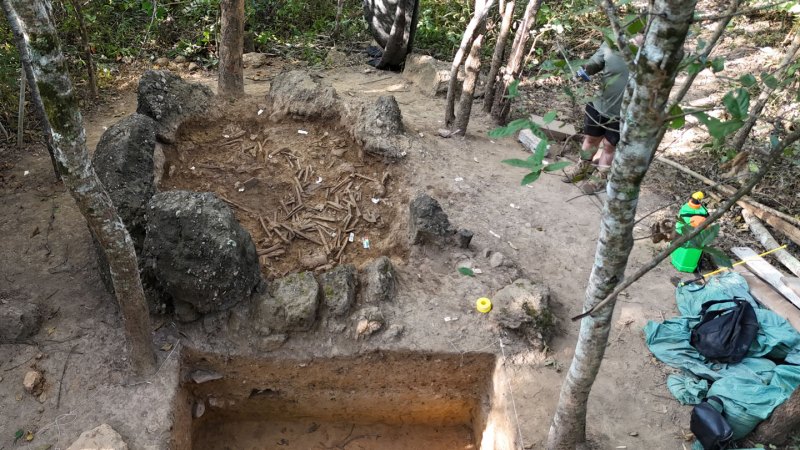
Archaeologists Find Human Remains in Large Stone Jar in Laos
Researchers uncovered bones from at least 37 people inside a stone vessel more than two meters across. The discovery supports the view that thousands of similar jars across northern Laos served as burial sites.
 Ars Technica
technology56 days ago
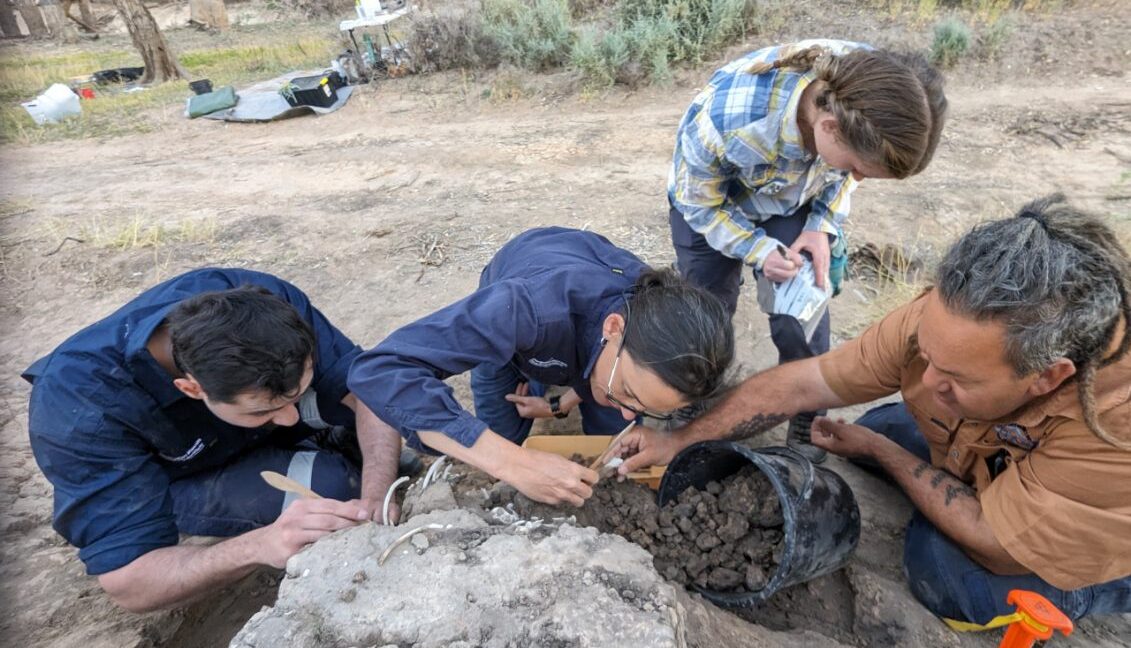
Archaeologists Study Ancient Dingo Burial in New South Wales
Archaeologists examined a dingo skeleton buried about 1,000 years ago in a shell mound in Kinchega National Park. The remains showed signs of care and healed injuries. Barkindji elders and researchers reburied the bones earlier this year.
 nypost.com
world57 days ago
Archaeologists Find Bronze Age Wooden Platform in Scottish Loch
Researchers uncovered a man-made wooden structure beneath a stone formation in Loch Bhogastail on the Isle of Lewis. The platform dates to approximately 3500 to 3300 B.C. and was built using timber and brushwood.
 The Times
politics60 days ago
RMS Titanic Inc Notifies Court of Plan to Auction 100 Artifacts from 1987 French Collection
The company that holds more than 5,000 artefacts from the Titanic wreck notified a Virginia court in March of plans to sell items recovered in 1987, prompting opposition from archaeologists and heritage groups. Judge Rebecca Beach Smith rejected the firm's attempt to seal the fil…
 goodnewsnetwork.org
world62 days ago
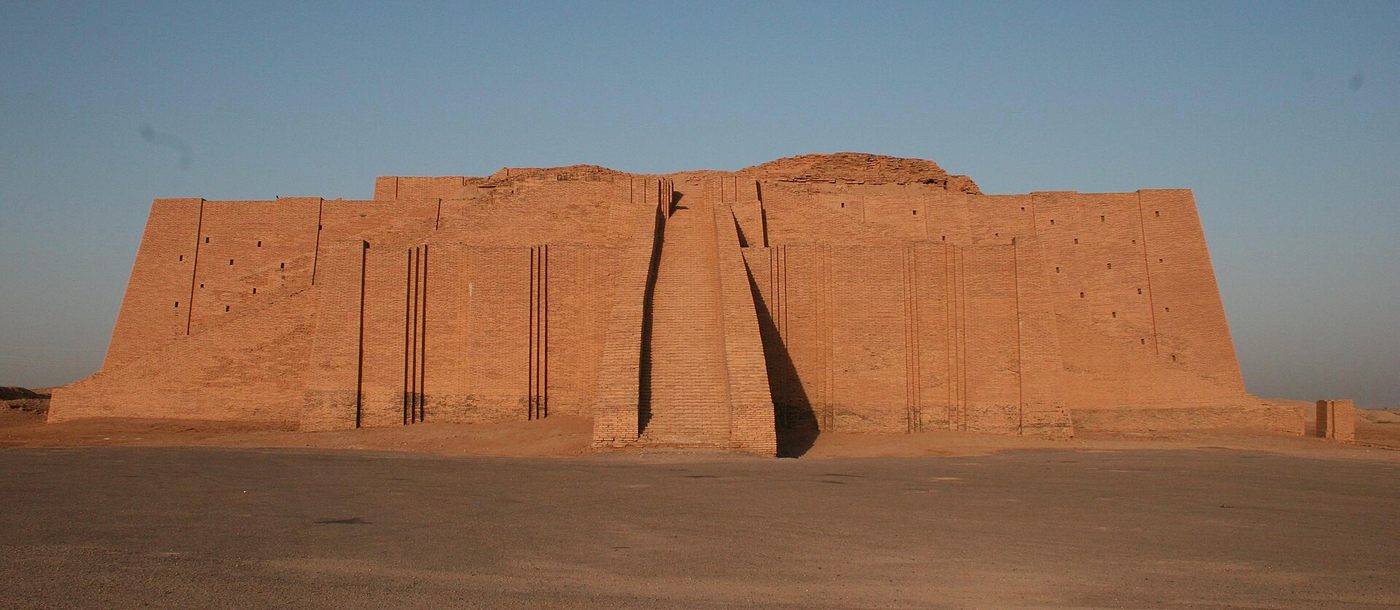
Restoration Work Begins on Iraq's 4,000-Year-Old Ziggurat of Ur
Archaeologists have started restoration at the ancient Sumerian Ziggurat of Ur in Dhi Qar province. The project aims to protect the site from climate-linked erosion. Work is underway at one of Iraq's most significant historical monuments.
Substrate placeholder — needs reviewscience62 days ago
Knesset Advances Bill to Centralize Management of Antiquities and Heritage Sites in West Bank
The legislation, backed by Likud, would create a new body empowered to purchase and expropriate land in the West Bank, with potential extension to Gaza. It also significantly broadens authority over archaeology, heritage sites and antiquities. Archaeologists have warned the measu…
 themarketherald.com.au
science66 days ago
DNA Identifies Four More Crew Members From 1845 Franklin Expedition
Archaeologists have used DNA analysis to identify four additional crew members from the lost 1845 Franklin expedition to the Northwest Passage. Three served on the HMS Erebus and one on the HMS Terror. The findings, published in the Journal of Archaeological Science and Polar Rec…
 koreatimes.co.kr
world71 days ago
Russian Archaeologist Alexander Butyagin Faces Repercussions for Crimea Excavations
Russian archaeologist Alexander Butyagin conducted excavations in Crimea over several years. The work later led to negative consequences for him, according to a report. Details on the specific repercussions remain limited in available information.
 yahoo.com
world76 days ago
Evidence of Possible 100,000-Year-Old Cremation Found in Ethiopia's Afar Rift
Archaeologists discovered burnt bone fragments in Ethiopia that may represent the world's oldest documented cremation, dating back approximately 100,000 years. The findings, including three Homo sapiens fossils and thousands of stone tools, were detailed in a study published on A…
JE
 winnipegfreepress.com
science77 days ago
Archaeologists Use AI to Reconstruct Face of Pompeii Victim from AD 79 Eruption
Archaeologists at Pompeii employed artificial intelligence for the first time to digitally recreate the face of a man killed in the AD 79 Mount Vesuvius eruption. The reconstruction, based on skeletal data from excavations near the Porta Stabia necropolis, depicts an older man wh…
JE
 New York Post
world77 days agoUpdated
Pompeii Archaeologists Use AI to Reconstruct Face of AD 79 Vesuvius Eruption Victim
Archaeologists at the Pompeii Archaeological Park released an AI-generated digital portrait of a man who died during the AD 79 eruption of Mount Vesuvius. The reconstruction, based on skeletal remains found outside the city's walls, depicts the victim shielding his head with a te…
SK
 New York Post
science78 days ago
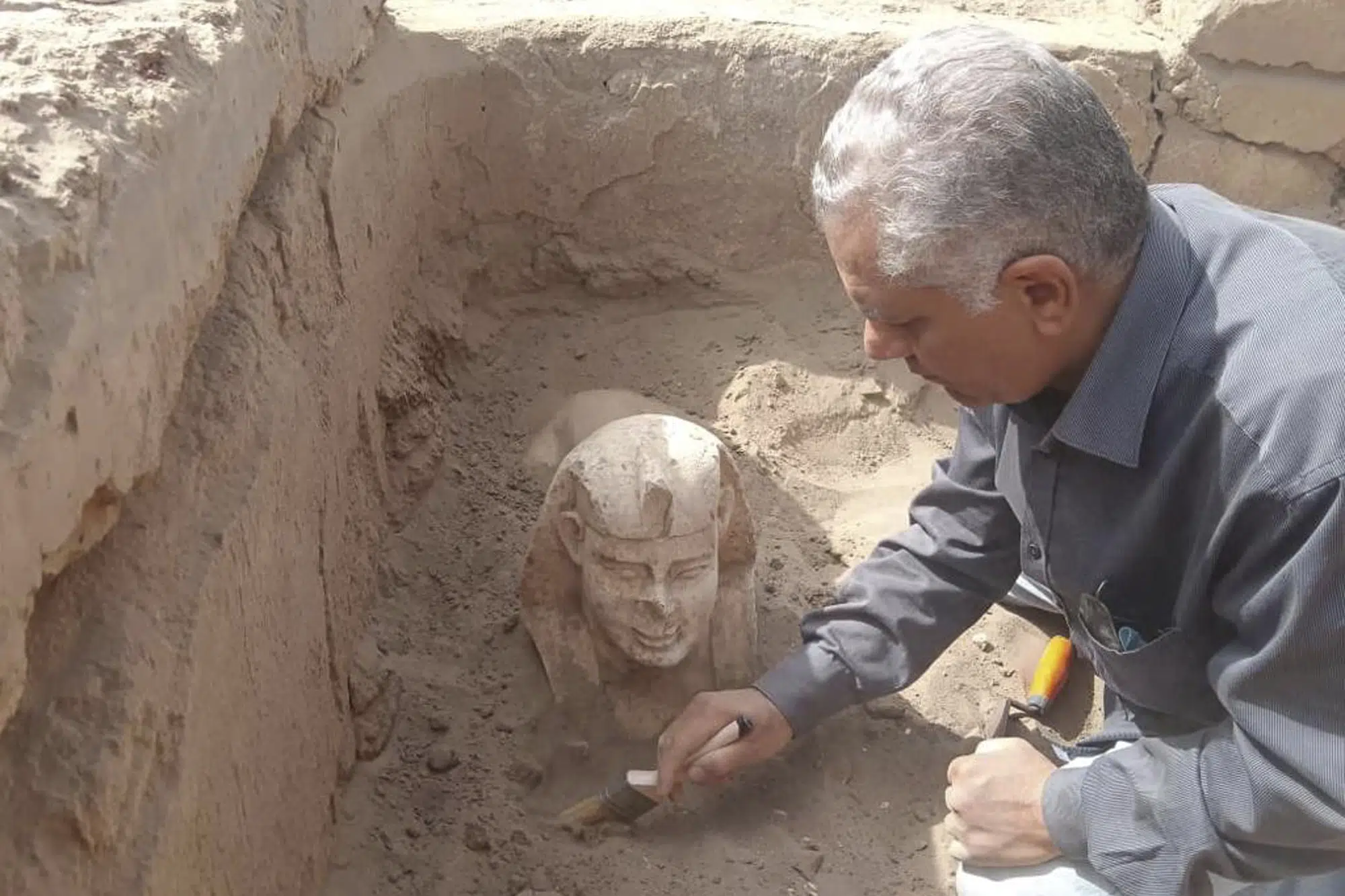
Archaeologists Find Homer's Iliad Papyrus Fragment Inside 1,600-Year-Old Egyptian Mummy
Researchers from the University of Barcelona discovered a Greek papyrus fragment of Homer's 'The Iliad' inside a mummy's abdomen during a Roman-era tomb excavation. The find marks the first recorded instance of a Greek literary text used in mummification. The same dig uncovered g…
 apnews.com
world81 days ago
Archaeologists Unearth Statue Fragment Linked to Ramesses II in Egypt
Archaeologists in Egypt have discovered a statue fragment believed to represent Ramesses II, a pharaoh some experts associate with the biblical story of Moses. The find occurred at Tel Faraoun in the eastern Nile Delta. The artifact dates to the New Kingdom era and may connect to…
 koreaherald.com
science83 days ago
Gunman at Mexican Pyramid References Ancient Rituals in Attack on Tourists
A gunman attacked tourists at the Pyramid of the Moon in Teotihuacan, Mexico, on April 20, 2026, killing one and injuring 13. He shouted about sacrifice during the incident, which occurred at a site with a history of human offerings dating back nearly 2,000 years. Archaeologists…
Substrate placeholder — needs reviewworld84 days ago
Archaeologists Uncover 5th-Century Church Near Sasanian Fortress in Iraqi Kurdistan
Archaeologists have discovered a church dating to the 5th or 6th century adjacent to a Sasanian fortification in the Gird-î Kazhaw area of Iraqi Kurdistan. The site indicates coexistence between early Christians and Zoroastrian practitioners. The findings are part of a broader st…
Substrate placeholder — needs reviewworld93 days ago
Remains of Nine Medieval Individuals Reburied Near Down Cathedral in Northern Ireland
The remains of nine people from the medieval period were reinterred outside Down Cathedral in Downpatrick, Northern Ireland, after being excavated eight years ago. The burial site is located near the believed grave of Ireland's patron saints Patrick, Brigid, and Columba. Archaeol…
 Minnesota Historical Society Heritage Preservation Department / Wikimedia (CC BY-SA 2.0)
world93 days ago
Archaeologists Uncover Additional Seated Skeletons with Sword Wounds Under French Elementary School
Archaeologists in Dijon, France, have discovered five to six new graves containing skeletons buried in a seated position beneath an elementary school site. The remains show signs of unhealed violence, including cuts from sharp objects possibly swords. This follows the initial fin…
Substrate placeholder — needs reviewworld96 days ago
2,000-Year-Old Papyrus Uncovers Previously Unknown Text by Pre-Socratic Philosopher Empedocles
Archaeologists have discovered a 2,000-year-old papyrus containing previously unknown writings attributed to the pre-Socratic philosopher Empedocles. The find provides new insights into ancient Greek philosophy from the fifth century B.C. Details of the discovery were reported by…
 thecanary.co
politics99 days ago
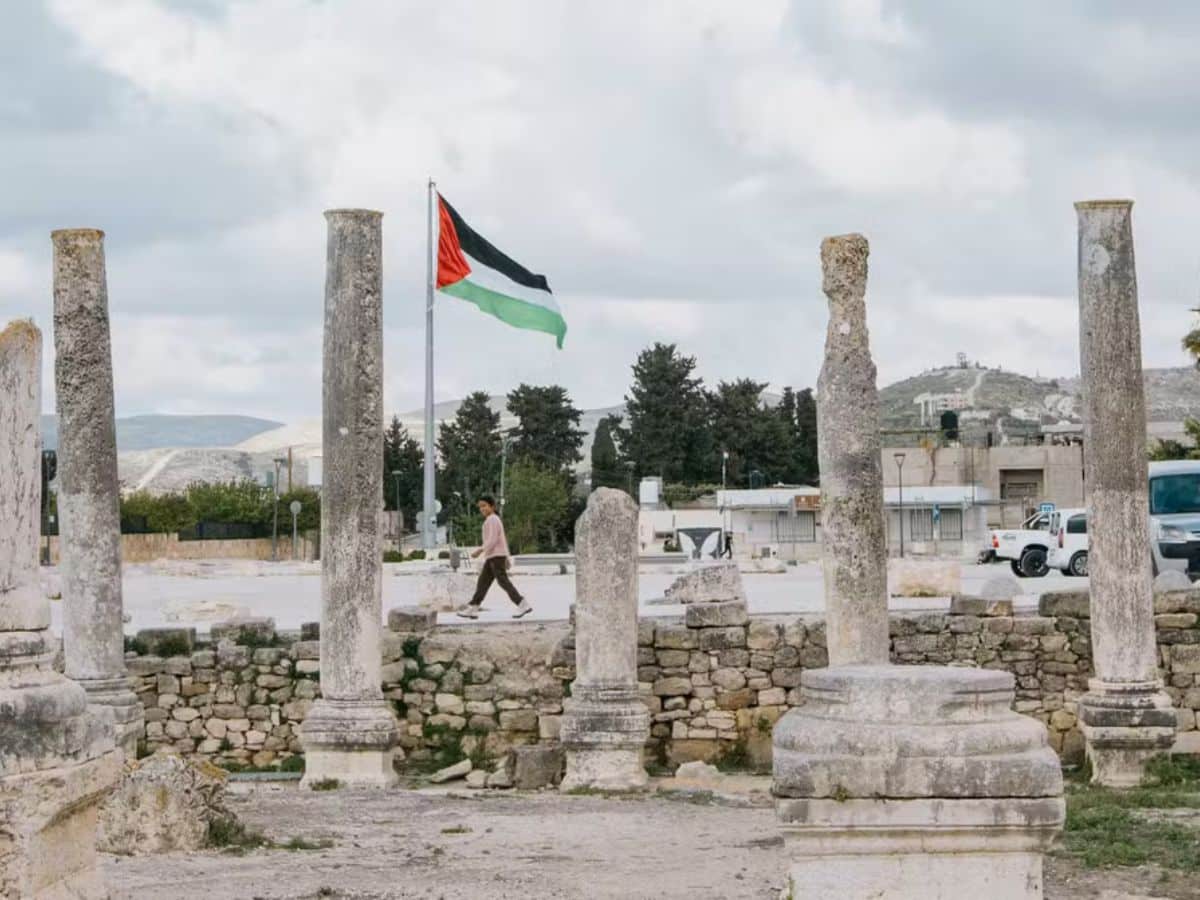
Archaeological Excavations in West Bank Highlight Disputes Over Land and Heritage
Archaeological work in the West Bank uncovers ancient sites along historical routes, amid ongoing debates over ownership and preservation. Israeli officials and archaeologists emphasize protecting artifacts, while Palestinian residents and critics point to impacts on local commun…